
Meta Description: Not sure which smart food delivery locker fits your restaurant, office, hospital, or campus? This 2026 guide compares heating systems, materials, UV disinfection, and access methods to help you decide.
Why Your Food Pickup Solution Matters More Than You Think
Contactless food delivery isn’t a trend anymore — it’s an expectation. Whether you run a busy ghost kitchen, a corporate cafeteria, a hospital nutrition department, or a university dining hall, how you handle the “last 10 feet” of food delivery directly impacts customer satisfaction, food safety, and operational efficiency.
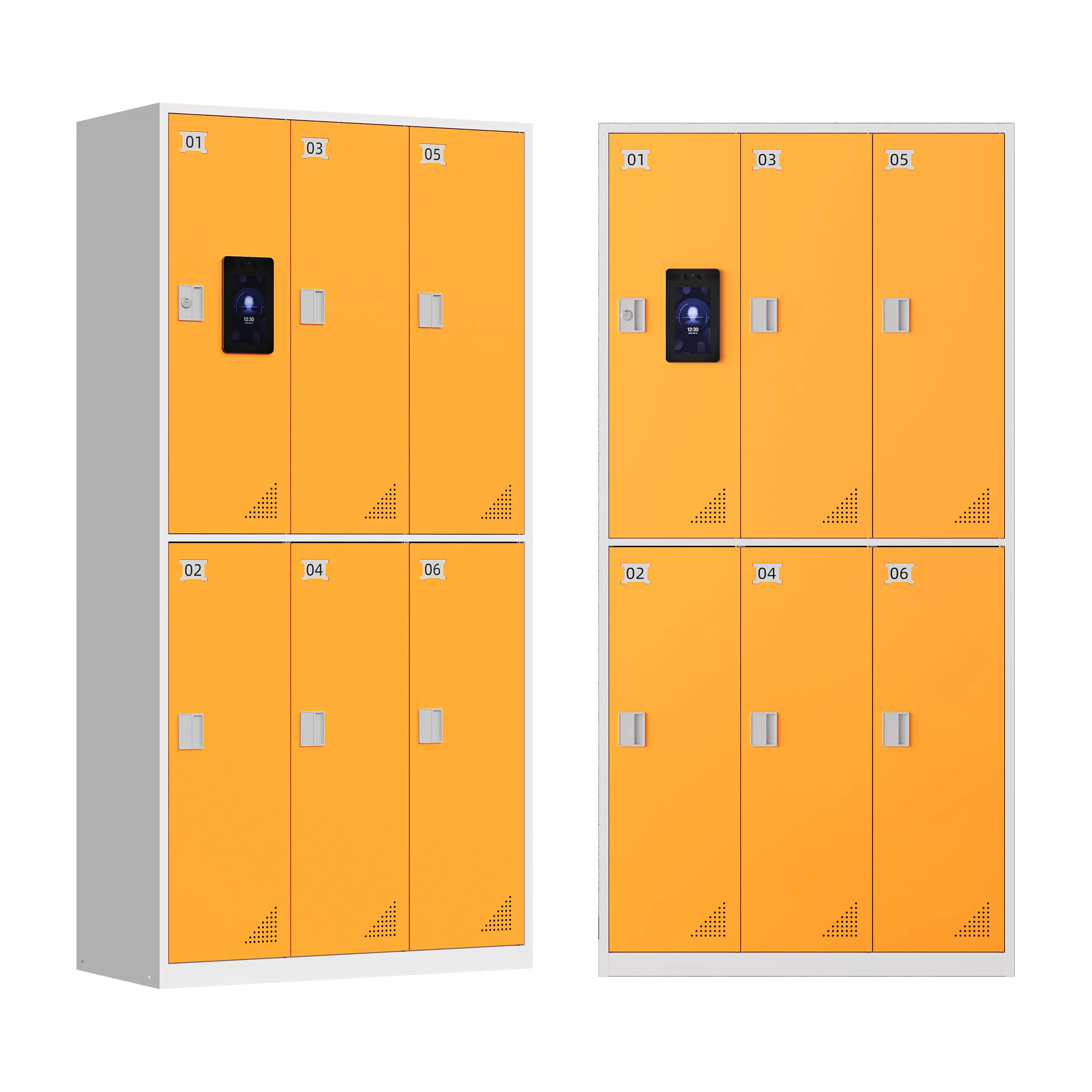
A smart food delivery locker bridges the gap between kitchen and customer, but not all lockers deliver the same performance. Temperature consistency, build quality, disinfection features, and pickup speed vary dramatically across models. Pick the wrong configuration, and you’ll deal with cold meals, hygiene complaints, or bottlenecks during peak hours.
This guide walks you through every critical decision point, so you can invest in a system that actually solves your problems — instead of creating new ones.
1. Cabinet Materials: Why Steel Grade Directly Affects Lifespan and Hygiene
The locker body is the foundation of your investment, and the material you choose determines both longevity and maintenance requirements.
Galvanized Steel: The Cost-Effective Workhorse
Galvanized steel cabinets deliver reliable structural strength and basic corrosion resistance at a budget-friendly price point. For indoor commercial settings with controlled humidity — think office break rooms, standard restaurant lobbies, or campus dining areas — galvanized steel performs perfectly well and keeps upfront costs manageable.
Best for: Standard indoor installations, budget-conscious deployments, low-humidity environments.
304 Stainless Steel: The Premium Hygiene Choice
304 food-grade stainless steel steps up corrosion resistance significantly and offers a sleek, professional finish that’s easier to clean and sanitize. This makes it the go-to choice for healthcare facilities, hospital food service, and any environment where regulatory hygiene standards are stricter.
The higher upfront cost pays off in reduced maintenance, longer lifespan, and easier compliance with health inspections.
Best for: Hospitals, clinics, outdoor or semi-outdoor locations, high-humidity regions, healthcare food service.
UFUN Pro Tip: If your locker will sit near a kitchen exhaust, a loading dock, or any area with regular moisture exposure, spend the extra on 304 stainless steel. The difference in long-term durability is well worth it.
2. Heating Technology: Keeping Meals Ready-to-Eat, Not Overcooked
The whole point of a food locker (versus a parcel locker) is temperature control. But “heating” isn’t a single feature — it’s a system that needs to balance warmth, consistency, and food quality.
How Food-Grade Heating Boards Work
Premium food lockers line each compartment with food-grade stainless steel heating plates that distribute heat evenly across the entire compartment surface. The target temperature range typically falls between 45°C and 60°C (113°F–140°F) — warm enough to keep meals at serving temperature, gentle enough that food doesn’t dry out or continue cooking.
Why Real-Time Temperature Control Matters
A basic heating element that just stays on will overcook food and waste energy. A quality system uses a real-time temperature controller that actively monitors each compartment and cycles the heater on and off as needed.
This is what makes the difference between a “warm locker” and a “food safety solution.” When a meeting runs long, a delivery is delayed, or a hospital shift changes unexpectedly, the locker holds food at safe, consistent temperatures without quality loss.
Did you know? Food held between 5°C and 60°C enters the bacterial “danger zone.” A properly calibrated heated locker keeps hot food safely above 45°C at all times, reducing food safety risk during the pickup window.
3. UV Disinfection: The Hygiene Layer Most Buyers Overlook
Shared pickup points mean shared touchpoints — and in high-traffic locations, that’s a hygiene concern. Built-in UV disinfection addresses this problem automatically.
How UV Sanitization Works in Food Lockers
Each compartment is fitted with a UV-C lamp that activates between uses, sterilizing interior surfaces without chemicals or residue. The disinfection cycle is typically managed by the same relay board that controls the heating system, making it a seamless, behind-the-scenes feature.
Who Benefits Most
- Hospitals and healthcare facilities — where infection control is non-negotiable
- High-volume restaurants and ghost kitchens — where compartments turn over dozens of times per day
- Corporate cafeterias — where employees expect clean, modern facilities
- University campuses — where high student turnover means constant compartment use
When paired with contactless pickup methods (QR code, facial recognition), UV disinfection creates a nearly hands-off food handoff process that reduces cross-contamination risk significantly.
4. Access Methods: Matching Verification to Your User Base
How people retrieve their food seems like a small detail, but it’s what determines your peak-hour throughput and user satisfaction.
QR / Barcode Scanning
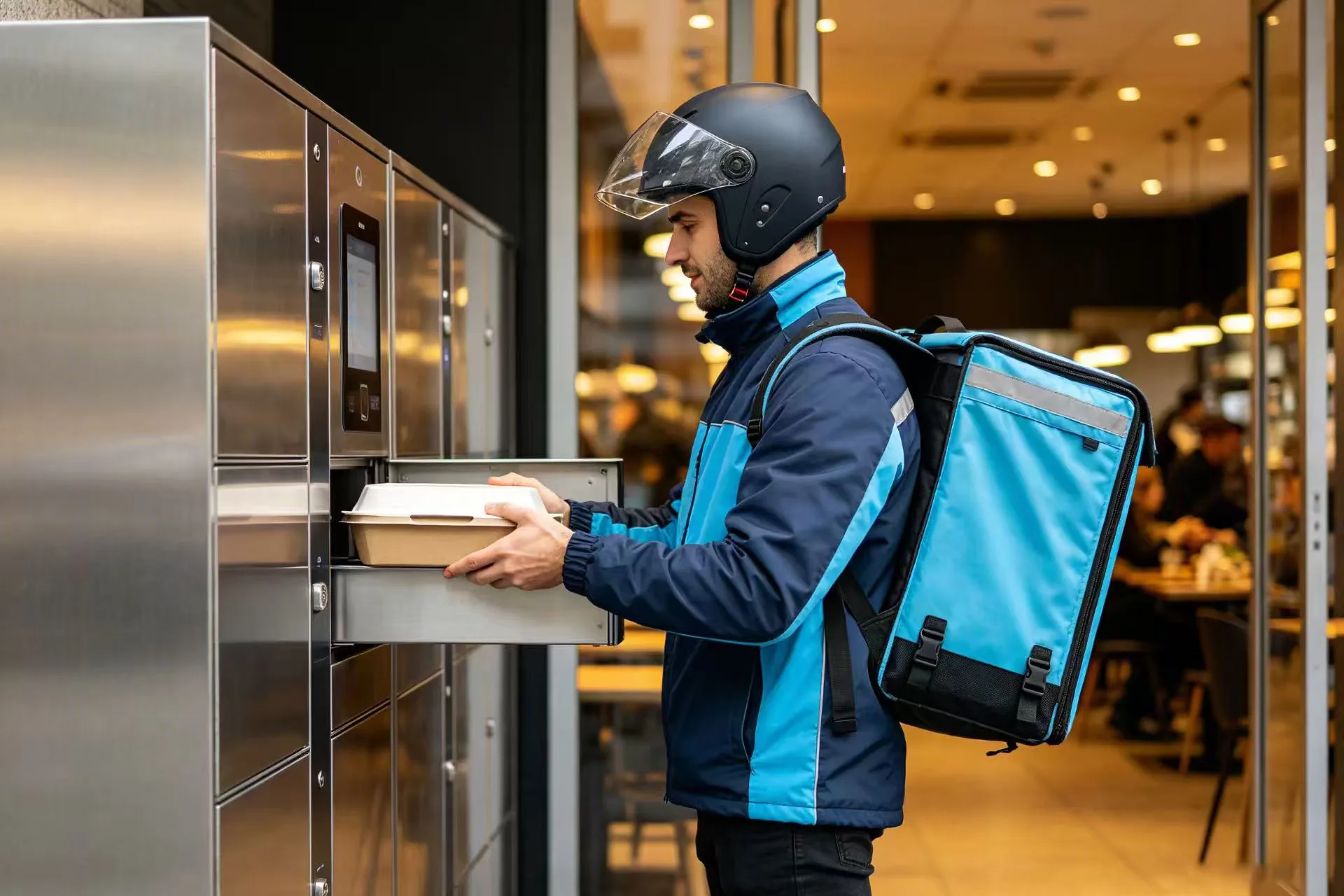
Code scanning is the universal standard — fast, familiar, and frictionless for delivery riders and one-time customers. Riders scan a code at drop-off, customers scan at pickup, and the whole interaction takes seconds.
Ideal for: Delivery-heavy operations, public locations, mixed user bases.
Phone Number Verification
For customers who don’t want to juggle codes, phone number verification is a convenient alternative. Users enter their phone number on the touchscreen, and the system finds their order automatically. It’s especially popular for pre-ordered meal pickup in corporate and campus settings.
Ideal for: Pre-order systems, repeat customers, users who prefer simplicity over speed.
Facial Recognition
The fastest option for regular users. Employees, students, or staff simply walk up, look at the camera, and their compartment unlocks — no phone, no code, no typing. For high-frequency users (think a 500-person office cafeteria), facial recognition eliminates lines during the lunch rush.
Ideal for: Corporate offices, hospitals (staff cafeterias), universities, high-frequency repeat users.
UFUN Recommendation: The best deployments combine methods. Use QR scanning for delivery couriers and one-time visitors, facial recognition or phone verification for regular internal users. Everyone gets the fastest path for their use case.
5. The Brains Behind the Screen: Control System & Connectivity
The touchscreen is what users see, but the control system inside is what determines reliability — especially during peak hours when you can’t afford downtime.
Processing Power
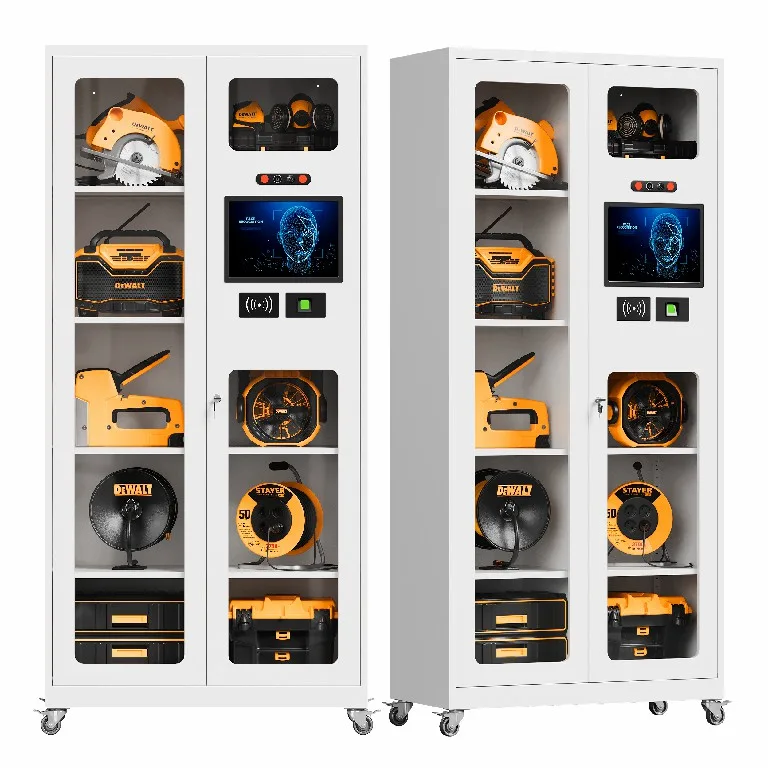
A quad-core mainboard (typically RK3288 or equivalent) handles the touchscreen interface, compartment management, and user interactions smoothly. Slower chips mean laggy screens, frustrated users, and longer pickup times — which you’ll definitely notice during a lunch rush.
Connectivity Redundancy
Downtime during peak hours costs money and annoys customers. Look for systems that support WiFi, 4G cellular, and RJ45 Ethernet. If one connection drops, the system can fall back to another. For locations with spotty WiFi (basements, large buildings, remote sites), 4G backup is non-negotiable.
Smart Lock Control with Feedback
A quality lock control system uses RS485 communication with real-time state feedback. The system always knows whether each compartment is locked or open — critical for both security and food safety accountability. Multi-board cascade support means you can expand the locker bank without replacing the whole system.
Platform Integration
If you work with third-party delivery platforms (Uber Eats, DoorDash, GrabFood, etc.), look for multi-platform API integration. The system automatically assigns compartments and sends pickup notifications when an order arrives — no manual input required from your staff.
6. Touchscreen Size: Finding the Sweet Spot
Screen size is more than an aesthetic choice — it affects usability, branding opportunities, and physical footprint.
| Screen Size | Best For | Why |
| 7″–10″ | Compact spaces, simple pickup flows | Small footprint, low cost, sufficient for basic code entry |
| 15″–21″ | Standard restaurant & office use | Balanced size for instructions, branding, and easy interaction |
| 24″–32″ | High-traffic public spaces | Doubles as digital signage / wayfinding, advertising revenue potential |
For most deployments, a 15-inch screen hits the sweet spot — big enough for clear instructions and your logo, without taking up unnecessary wall space.
7. Electrical Safety: What’s Inside the Box That Protects You
Heated lockers run continuously for hours every day, so electrical safety is not something to skimp on.
- 12V DC electric locks with high-power switching power supply and built-in leakage protection prevent electrical hazards
- 24V relay boards manage both heating elements and UV lamps with separate safety relays for circuit protection
- Layered electrical design means a single component failure won’t cascade into a safety issue
Always verify that the system meets your local electrical safety standards (CE, UL, etc.) before purchasing.
Quick Decision Matrix: Find Your Configuration in 30 Seconds
| Your Scenario | Top Priorities | Don’t Skimp On |
| Busy restaurant / ghost kitchen | High compartment count, fast code scanning, reliable heating | Connectivity redundancy |
| Hospital / healthcare | 304 stainless steel, UV disinfection, staff access speed | Hygiene features |
| Corporate office building | Facial recognition for employees, mid-size screen, sleek design | User experience |
| University / school cafeteria | High throughput, phone verification, platform integration | Durability & capacity |
| Mall / transit hub | Large display screen, QR scanning, weather resistance | Visibility & durability |
| Outdoor / semi-outdoor | 304 stainless steel, weather sealing, 4G backup | Build quality |
Frequently Asked Questions
Q: What temperature should a smart food locker maintain?
A: Quality heated food lockers maintain a steady 45°C–60°C (113°F–140°F) using food-grade stainless steel heating elements with real-time temperature control. This keeps food at safe serving temperatures without overcooking.
Q: Is 304 stainless steel worth the extra cost?
A: It depends on your environment. Galvanized steel is fine for standard indoor, low-humidity locations. 304 stainless steel is the smarter choice for healthcare settings, outdoor installations, high-humidity areas, or anywhere you want maximum longevity and easiest cleaning.
Q: Can food lockers integrate with delivery apps?
A: Yes — modern smart food lockers support API integration with major food delivery platforms. Orders are automatically assigned to compartments, and customers receive pickup notifications without any manual work from your staff.
Q: Do food lockers need a wired internet connection?
A: Not necessarily. Most systems support WiFi, 4G cellular, and Ethernet. We recommend wired Ethernet as primary with 4G as backup for maximum reliability, but 4G-only deployments work great for temporary or remote locations.
Q: How many compartments do I need?
A: A good rule of thumb is to size for your peak-hour volume plus 20% buffer. For a restaurant doing 50 orders during the lunch rush, 60+ compartments prevents overflow. For an office with 300 employees, plan for 80–120 compartments depending on meal program adoption.
Ready to Find Your Perfect Food Locker Configuration?
Choosing the right smart food delivery locker is about matching technology to your real-world needs — not just checking feature boxes. At UFUN, we’ve helped restaurants, hospitals, offices, and campuses across 20+ countries deploy smart locker systems that actually work.
Our team will assess your order volume, space constraints, hygiene requirements, and user base to recommend a custom configuration — and we back every installation with responsive support and OEM/ODM customization capabilities.