
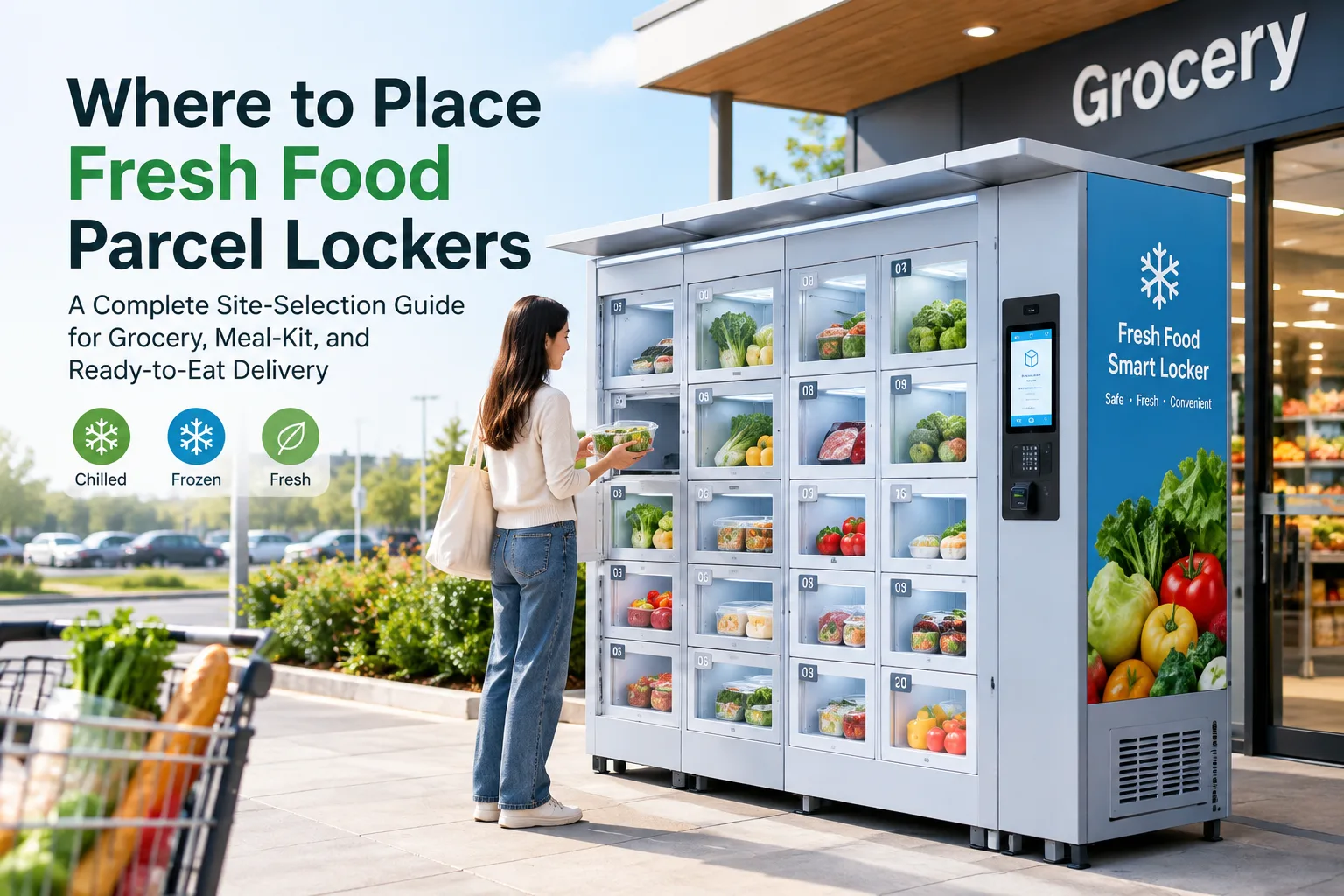
Why Fresh Food Locker Placement Is Different From Regular Parcel Lockers
Online grocery and meal-kit delivery is one of the fastest-growing segments in last-mile logistics. Unlike dry goods, however, perishable food cannot sit in a standard metal box for hours. Chilled and frozen parcel lockers require stable power, controlled airflow, predictable pickup windows, and proximity to the end customer — all of which make site selection the single most important decision in a fresh-food locker rollout.
A locker placed in the wrong spot does not just underperform; it can lead to spoiled inventory, temperature excursions, food-safety complaints, and damaged customer trust. This guide walks through the decision framework operators should use before signing any location agreement, profiles the eight site types that consistently deliver strong utilisation, and lists the technical and compliance checks that must be completed before installation.
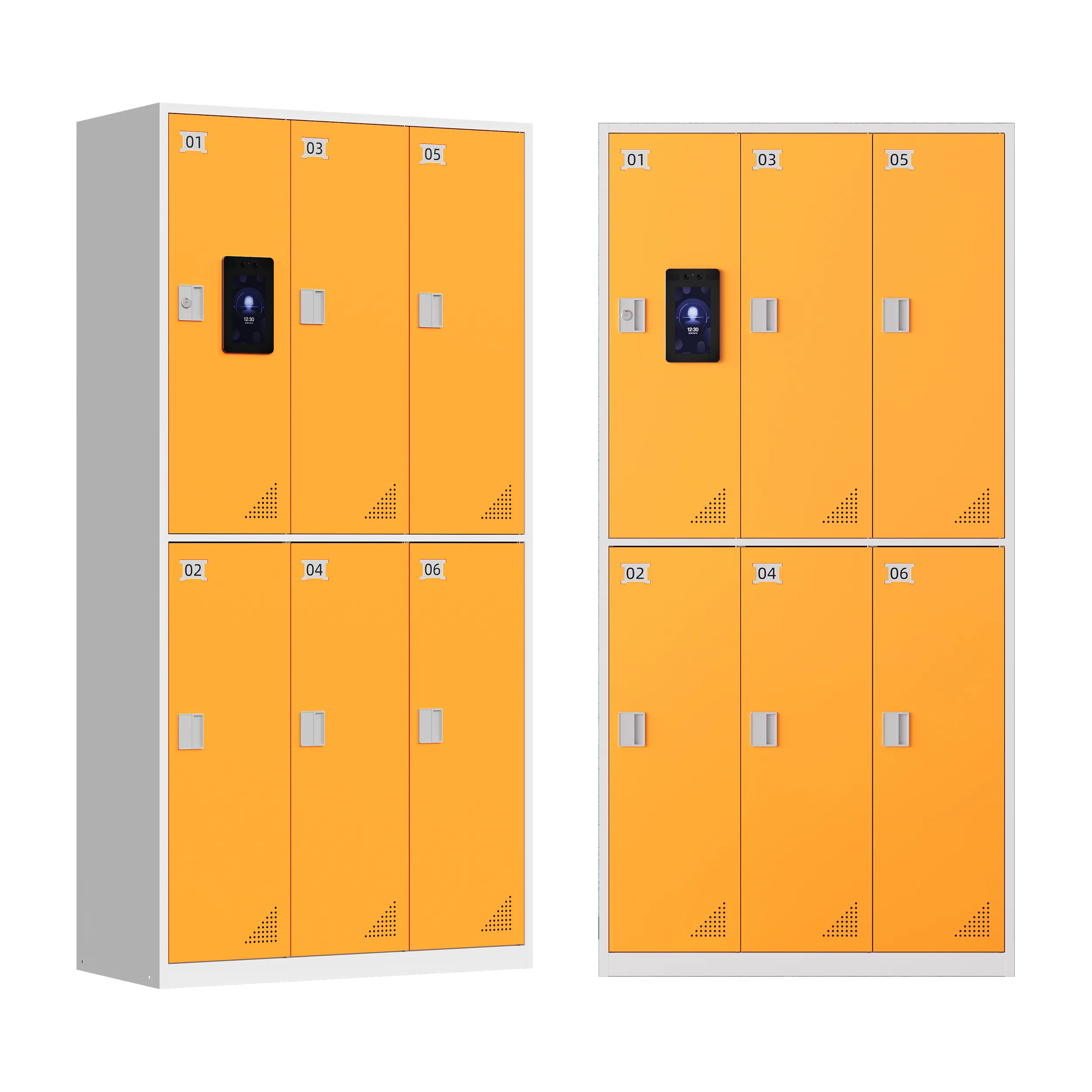
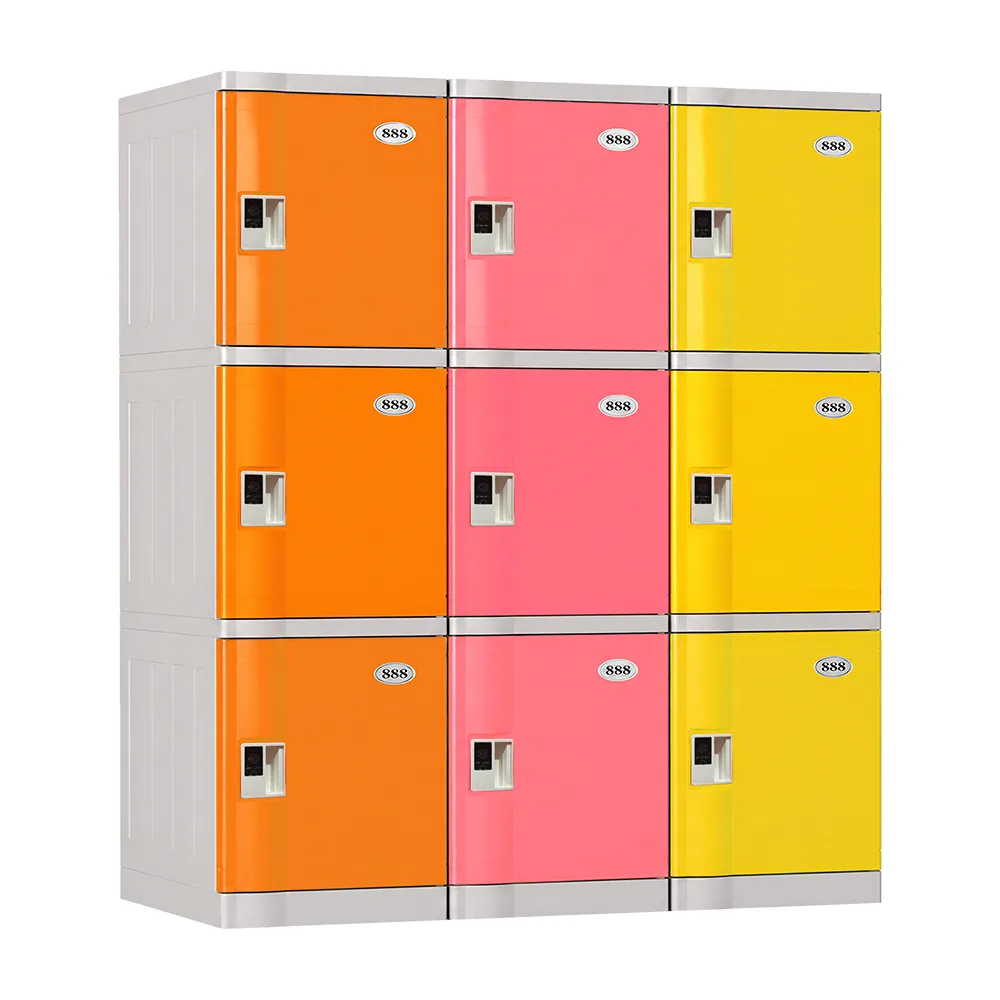
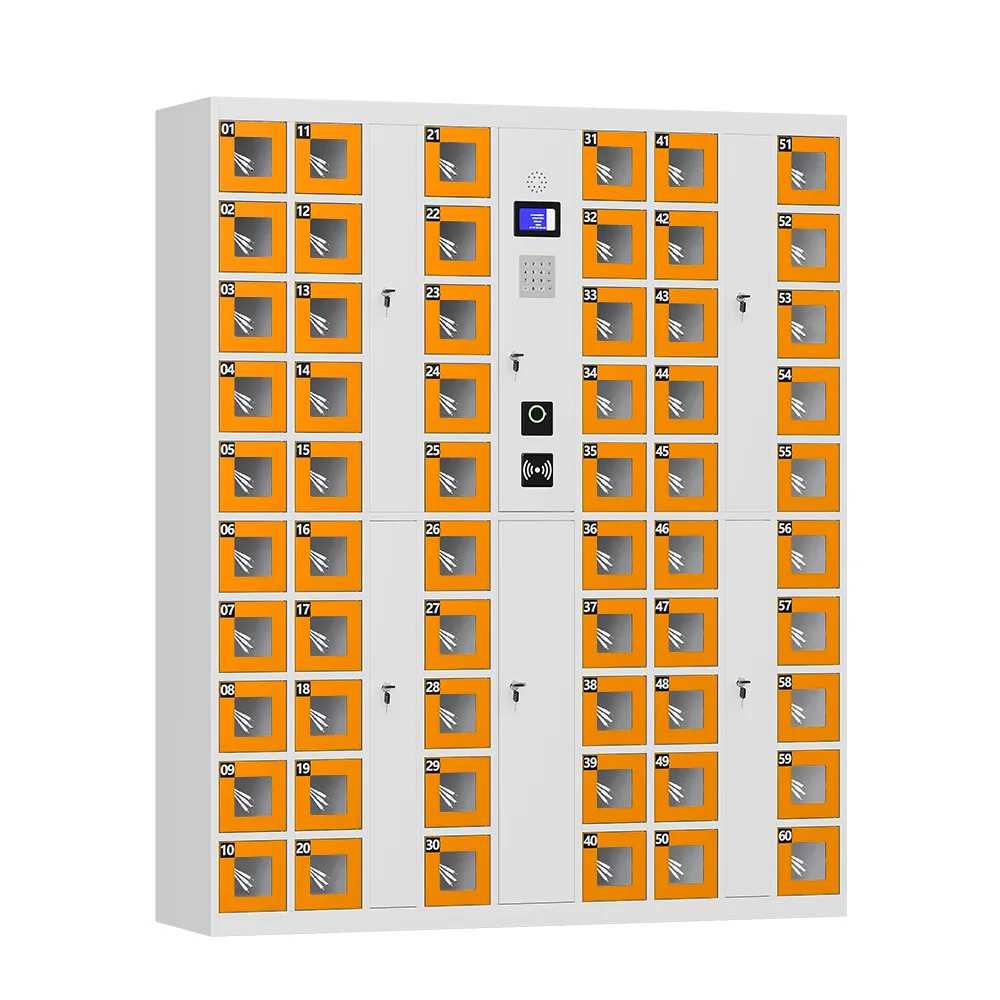
Whether you are a grocery chain testing click-and-collect, a property operator adding an amenity, or a logistics company building a refrigerated locker network, the principles below apply. At UFUN, we manufacture chilled, frozen, and ambient smart food lockers and have helped deploy them across residential, commercial, and transit environments — the recommendations here are drawn from that field experience.
The Six Factors That Determine Whether a Site Will Work
Before evaluating any specific address, score the location against the following six criteria. A site that fails one or two can often be engineered around; a site that fails three or more is usually not worth the operational cost.
1. Stable, Redundant Power Supply
Refrigerated compressors and electronic controls draw continuous power. A standard 20-compartment chilled locker bank typically requires a dedicated 220–240 V circuit with adequate amperage. Verify that the site has:
- A dedicated circuit not shared with high-load equipment such as kitchen ovens or HVAC units.
- Voltage within ±10% of nominal — unstable voltage shortens compressor life and causes frequent fault codes.
- Either a backup generator or an uninterruptible power supply (UPS) for the control electronics, so that door logs and temperature data survive a brief outage.
- Ground-fault and surge protection rated for outdoor or wet-area use if the locker is not fully indoors.
2. Ambient Temperature and Sun Exposure
A refrigerated locker works harder — and consumes more electricity — when the surrounding air is hot. Direct afternoon sun can raise the cabinet skin temperature by 15–25 °C above ambient, forcing the compressor to run continuously and shortening its service life. Whenever possible, choose an indoor location or install a weather canopy. If the locker must be outdoors, orient the heat-dissipation vents away from direct sun and ensure at least 30 cm of clearance on the compressor side for airflow.
3. Pickup Distance and User Convenience
For fresh food, the “last 50 metres” matter more than for dry parcels. Customers collecting milk, meat, or frozen items want the shortest possible walk from their usual route. A locker that is visible from the main entrance, the parking-lot exit, or the transit turnstile will outperform one tucked into a back corridor by a wide margin. As a rule of thumb, if a user has to make more than one turn or walk more than 30 metres out of their way, adoption drops sharply.
4. Peak Pickup Window Alignment
Fresh food has a limited dwell time. Most grocery and meal-kit customers expect to collect within 2–4 hours of delivery. The best locations are those where the natural peak foot traffic matches the typical delivery window — for example, residential lobbies between 5 pm and 8 pm, or office buildings between 11 am and 1 pm for lunch orders.
5. Ventilation and Heat Dissipation
Chilled lockers reject heat from the refrigeration unit. Enclosing the locker in a narrow closet or against an unventilated wall causes heat recirculation, higher energy bills, and premature compressor failure. Maintain clear airflow paths, avoid placing lockers near heat sources (boilers, kitchens, server rooms), and consider active ventilation if the installation area is enclosed.
6. Food-Safety and Compliance Context
Perishable storage is regulated differently from general parcel storage. Local health codes may require temperature logging, regular cleaning schedules, pest-control measures, and in some jurisdictions a food-handling registration even for unattended equipment. Confirm the requirements with the local authority before committing to a site.
Eight Site Types That Consistently Perform Well
1. Residential Communities and Apartment Buildings
Residential is the highest-volume and most predictable use case. Residents order fresh groceries, meal kits, and recipe boxes throughout the week and want them as close to the front door as possible.
- Best placement: near the main entrance, adjacent to the mailroom, or beside the concierge desk — never in a basement storage area.
- For buildings with more than 150 units, install a dedicated chilled/frozen locker bank separate from ambient parcel lockers, so that dry-goods traffic does not compete for cold compartments.
- Negotiate access for delivery drivers during early-morning hours, when grocery fulfilment centres typically dispatch.
- Add a small ambient compartment for non-perishable add-ons (pasta, canned goods) so that a single mixed order can be fulfilled in one stop.
2. Office Buildings and Business Parks
Office workers are a strong second segment, particularly for lunch-order delivery, ready-to-eat meals, and “take-home dinner” programmes.
- Best placement: ground-floor lobby, near the elevator bank, or in the staff canteen / break area.
- Because office buildings have limited after-hours access, align delivery schedules with the 11 am–1 pm lunch peak and the 4 pm–6 pm departure window.
- For business parks with multiple buildings, a centralised locker hub near the main car park or shuttle stop often serves more users than scattered single units.
- Consider corporate wellness programmes — many employers subsidise healthy meal delivery and will sponsor a locker installation as an employee benefit.
3. Subway, Train, and Bus Interchanges
Transport hubs generate enormous, predictable footfall. Commuters value being able to collect dinner ingredients on the way home without a separate supermarket trip.
- Best placement: just inside the fare-paid area near exit gates, or along the primary walking corridor — never in a low-traffic side tunnel.
- Ensure adequate ventilation; refrigeration units reject heat, and enclosed station air can become uncomfortably warm.
- Coordinate with the transit authority on cleaning schedules, emergency egress clearance, and advertising restrictions (many hubs limit exterior branding).
- Because transit users are time-pressured, choose lockers with the fastest possible opening method — QR code or contactless card, rather than a multi-step PIN sequence.
4. Shopping Malls and Supermarket Perimeters
Placing fresh-food lockers near a supermarket may seem counterintuitive, but it serves a distinct purpose: click-and-collect orders, pre-ordered meal kits, and specialty items that the store does not stock on shelf.
- Best placement: near the parking-lot exit or the customer-service desk, so that drivers can load their car immediately after pickup.
- Leverage the existing cold-chain infrastructure — the supermarket loading dock can serve as the replenishment point, reducing last-mile cost.
- For malls without an anchor supermarket, a chilled locker bank near the food court or cinema entrance captures impulse meal-kit and snack purchases.
- Negotiate revenue-share or rent-free terms with the property owner by framing the locker as a traffic-driving amenity.
5. Hospitals and Large Medical Campuses
Hospital staff work long, irregular shifts and often cannot leave the premises to shop. Fresh-food lockers stocked with ready-to-eat meals, healthy snacks, and fruit perform strongly in this environment.
- Best placement: near the staff entrance, the break room, or the canteen — keep lockers out of patient-facing zones to avoid congestion and infection-control concerns.
- 24/7 access is essential because night-shift workers are a major user group.
- Use easy-to-clean interiors (stainless steel or food-grade ABS) and schedule daily wipe-downs to meet hospital hygiene standards.
- Partner with the hospital catering service or an external meal provider to ensure a consistent supply of fresh inventory.
6. University Campuses (With Caveats)
Students order food constantly, but fresh produce is not always their top priority — snacks, instant noodles, and bubble tea dominate. That said, meal-kit and healthy-meal delivery is growing, especially in dormitory clusters with shared kitchens.
- Best placement: near the dining hall, student centre, or dormitory main entrance.
- Ensure the location is shaded — direct sun can overwhelm even active refrigeration on hot afternoons.
- Start with a smaller pilot (12–20 compartments) and scale based on real usage data rather than installing a large bank upfront.
- Partner with campus dining services to bundle locker access with meal-plan top-ups.
7. Industrial Parks and Factory Zones
Industrial areas often employ thousands of workers but have limited food retail nearby. A fresh-food locker stocked with ready-to-eat meals, fruit, dairy, and beverages can become an essential lunchtime amenity.
- Best placement: near the canteen, the main gate, or the staff changing area.
- Schedule deliveries to arrive 20–30 minutes before the lunch break, so that meals are at serving temperature when workers arrive.
- Use durable, vandal-resistant construction — industrial environments are harder on equipment than office lobbies.
- Offer a pre-ordering app or web portal so that workers can reserve meals in advance and the locker operator can forecast demand accurately.
8. Gyms, Sports Centres, and Wellness Clubs (Bonus Category)
Often overlooked, fitness facilities are a strong fit for healthy-meal and protein-drink lockers. Members finishing a workout want immediate access to nutrition, and many gyms already operate a juice bar or supplement shop.
- Best placement: near the exit, the changing-room corridor, or the reception desk.
- Stock with protein shakes, prepared salads, fruit cups, and cold-pressed juices — items that match the post-workout use case.
- Integrate with the gym membership system so that members can open lockers with their existing access card, reducing friction.
- Because gyms have high shower and humidity exposure, choose moisture-resistant cabinet finishes and ensure the locker is not placed directly inside the wet zone.
The Pre-Installation Checklist: Five Things to Verify Before Signing
Even a high-traffic site can fail if the basics are not verified. Run through this checklist with the property manager before committing to any location.
Power Quality and Redundancy
Measure the circuit voltage under load, confirm the amperage rating, and ask whether the site experiences frequent brownouts or planned maintenance outages. For critical fresh-food installations, specify a UPS for the control board and, where possible, a generator tie-in.
Weather and Sun Protection
Document the sun path at the proposed location, particularly in summer. If the locker receives direct afternoon sun, require a canopy, an awning, or relocation. For outdoor installations, confirm IP rating of the cabinet (IP54 minimum for the enclosure, IP65 for the connector panel) and ensure drainage is adequate.
Remote Temperature Monitoring
Every chilled locker should report internal compartment temperature to a cloud dashboard at 5–15 minute intervals, with SMS or email alerts if any compartment drifts outside the safe range (typically 0–4 °C for chilled, below −15 °C for frozen). This is not optional for perishable goods — it is the primary defence against spoilage and liability.
Cleaning and Maintenance Access
Fresh-food compartments accumulate spills, condensation, and odour quickly. The site must allow easy access for a cleaning crew at least once per day, and the locker design should include removable drip trays, smooth non-porous interiors, and antimicrobial coatings where available. Schedule a weekly deep-clean and a monthly compressor-coil inspection.
Security, Lighting, and CCTV
Like any unattended equipment, food lockers should be placed in well-lit areas covered by existing CCTV. This deters tampering, vandalism, and theft, and provides evidence if a customer disputes a pickup. Ensure the locker itself has an audit trail logging every door open and close event, with timestamp and user identity.
Food-Safety Compliance: What Most Operators Overlook
Perishable food storage is regulated, and the rules vary by country and municipality. Before launching, confirm the following with the local health authority:
- Whether unattended refrigerated storage requires a food-business registration or a food-handler certificate for the operator.
- The required temperature ranges for chilled and frozen compartments, and the logging interval mandated by law.
- Labelling requirements — many jurisdictions require a visible “best before” or “use by” date on every stored item, which means the locker software must support order-level expiry tracking.
- Allergen and cross-contamination rules, particularly if the same locker bank stores both raw and ready-to-eat items.
- Pest-control obligations, including bait-station placement and regular inspection records.
At UFUN, our chilled and frozen locker software includes configurable temperature thresholds, automated logging, expiry-date tracking, and exportable compliance reports — features that materially reduce the administrative burden of operating a fresh-food locker network.
How to Validate and Optimise a Site After Launch
A location that looks perfect on paper can underperform for unexpected reasons — a blocked entrance, a competing supermarket across the street, or a delivery schedule that misses the peak window. Treat every new installation as a 60–90 day pilot and track the following metrics:
Utilisation Rate
Measure the percentage of compartments occupied during peak hours. A well-sited residential locker should reach 60–80% utilisation during the evening peak; an office locker should hit similar levels at lunch. Consistently below 40% suggests the location, the delivery schedule, or the user communication needs adjustment.
Dwell Time
Track how long orders sit before pickup. For fresh food, average dwell time should be under 3 hours. If orders regularly sit longer than 6 hours, either the delivery window is misaligned or customers are not receiving pickup notifications reliably.
Temperature Excursions
Monitor how often compartments drift outside the safe range. Frequent excursions indicate either an overloaded compressor, poor ventilation, or an ambient-temperature problem — all of which are fixable but must be caught early.
Customer Feedback and Complaint Rate
Collect post-pickup feedback via a one-tap survey in the pickup notification. A complaint rate above 2% (spoilage, wrong compartment, door failure) is a signal to investigate the site or the equipment.
After the pilot period, use the data to decide whether to expand the locker bank, relocate it, or terminate the site. The most successful operators treat their locker network as a living portfolio — adding capacity where utilisation is high, reconfiguring compartments where demand mixes shift, and cutting sites that do not reach threshold within 90 days.
The Role of Partnerships in a Successful Rollout
No fresh-food locker network succeeds in isolation. Operators need three types of partners aligned before launch:
- Property owners and facility managers, who provide the space, power, and physical security. Negotiate revenue-share rather than fixed rent where possible — this aligns incentives and reduces upfront cost.
- Delivery services and grocery fulfilment partners, who determine the reliability and timing of inventory replenishment. A locker is only as good as the deliveries that fill it.
- Local food suppliers and meal-kit providers, who ensure a consistent, high-quality product range that customers actually want to order.
UFUN works with all three stakeholder groups, providing not just the hardware but also the cloud management platform, the API integration layer, and the deployment playbook. For operators launching in a new market, we recommend starting with one anchor partner (a property group or a grocery chain) and expanding the network from that base.
Conclusion: Site Selection Is 80% of the Battle
Fresh food parcel lockers are not a “set it and forget it” product. The hardware matters, but the location matters more. A well-engineered chilled locker in a high-convenience spot with stable power, good ventilation, and aligned delivery schedules will deliver years of reliable service and strong utilisation. The same locker in a poorly chosen location will become an operational headache and a food-safety liability.
Use the six-factor framework to screen sites, the eight location profiles to identify high-potential candidates, and the pre-installation checklist to de-risk each commitment. Then treat every launch as a data-driven pilot and be willing to adjust.
If you are planning a fresh-food locker deployment and would like a site-assessment template, a technical specification sheet, or a custom configuration proposal, contact the UFUN team. We manufacture chilled, frozen, and ambient smart food lockers with factory-direct pricing, OEM/ODM customisation, and global shipping support.
📩 Get a free site-assessment checklist and custom locker configuration → contact UFUN Smart Lockers today.