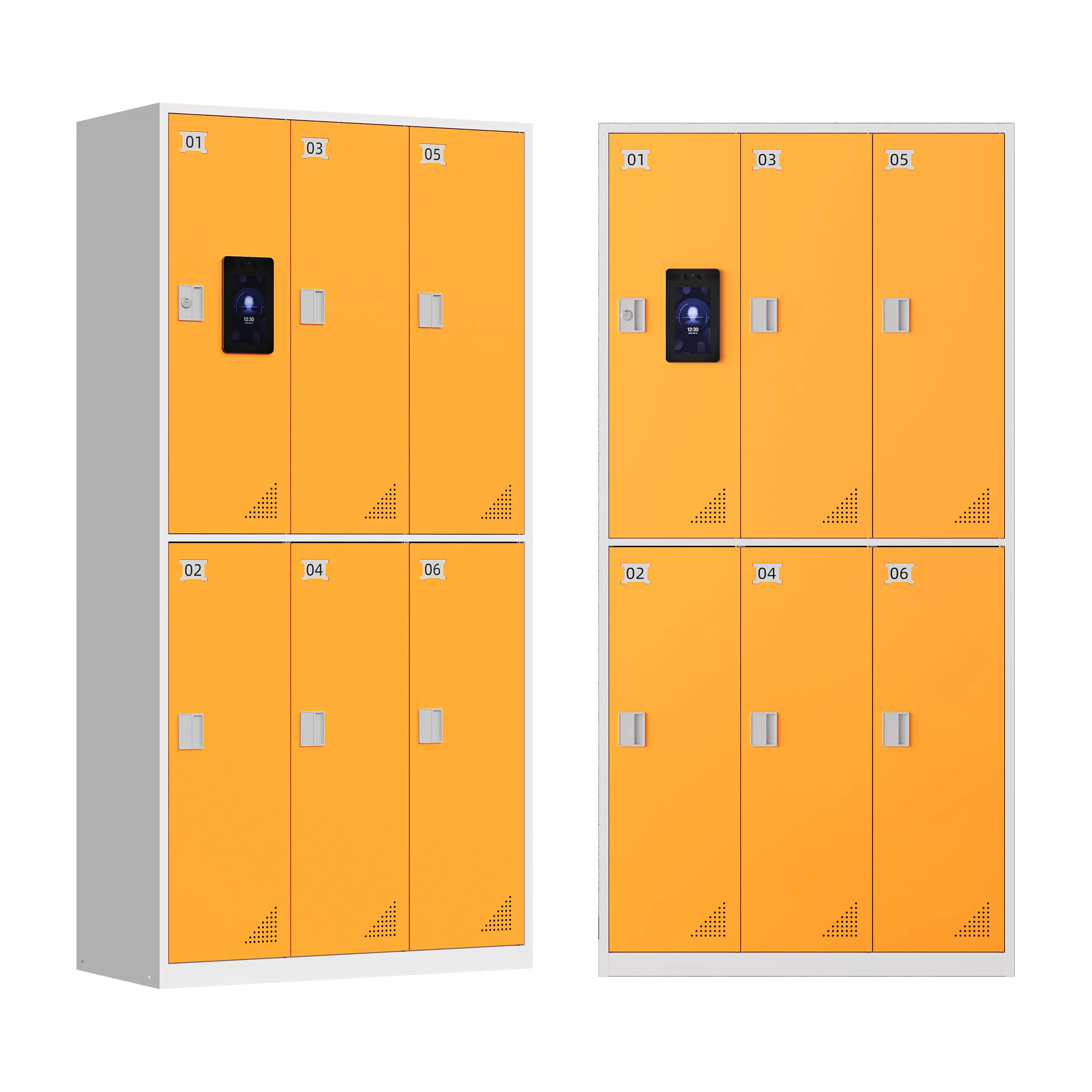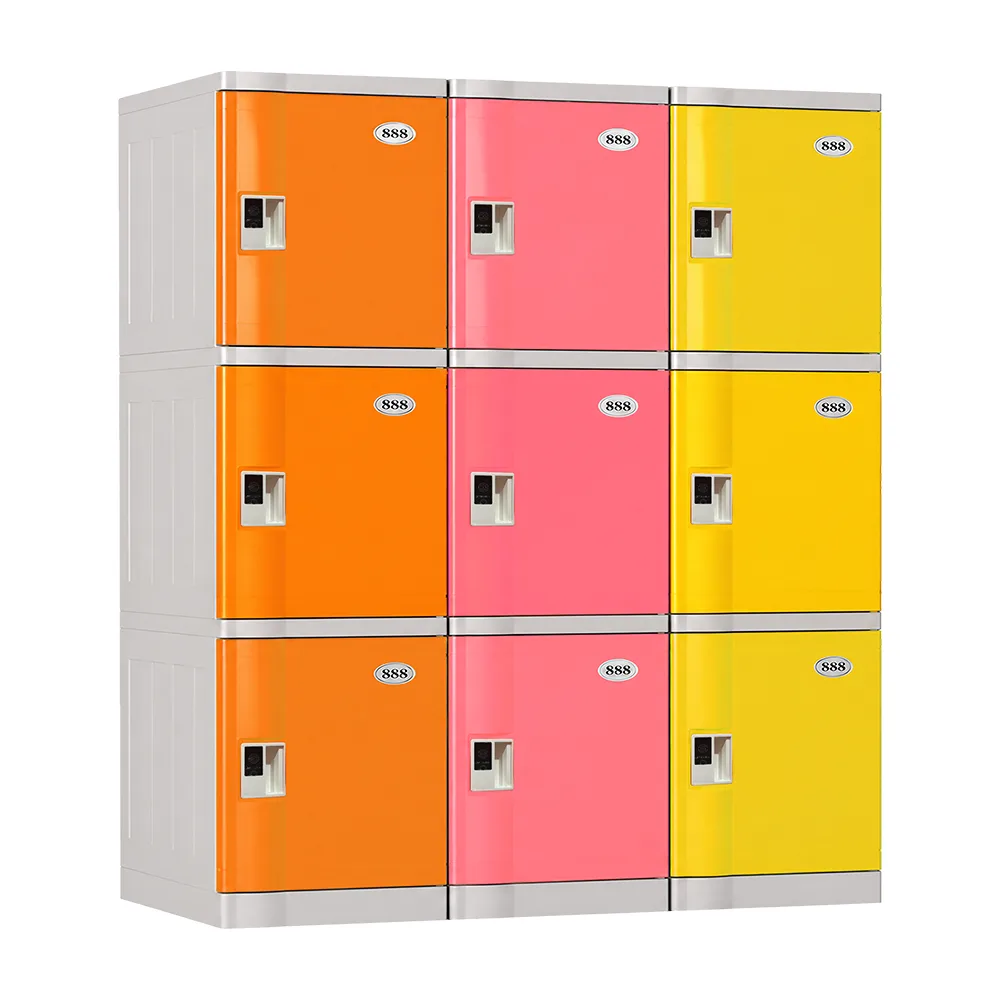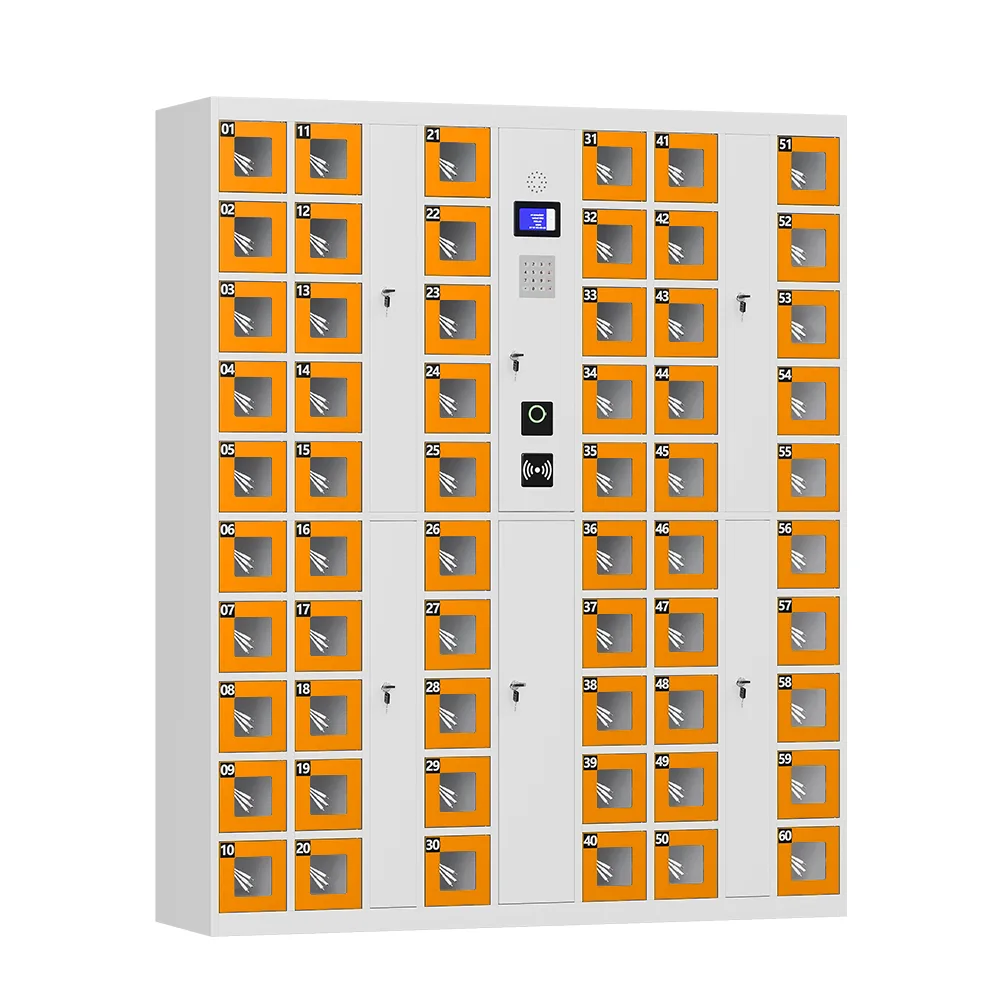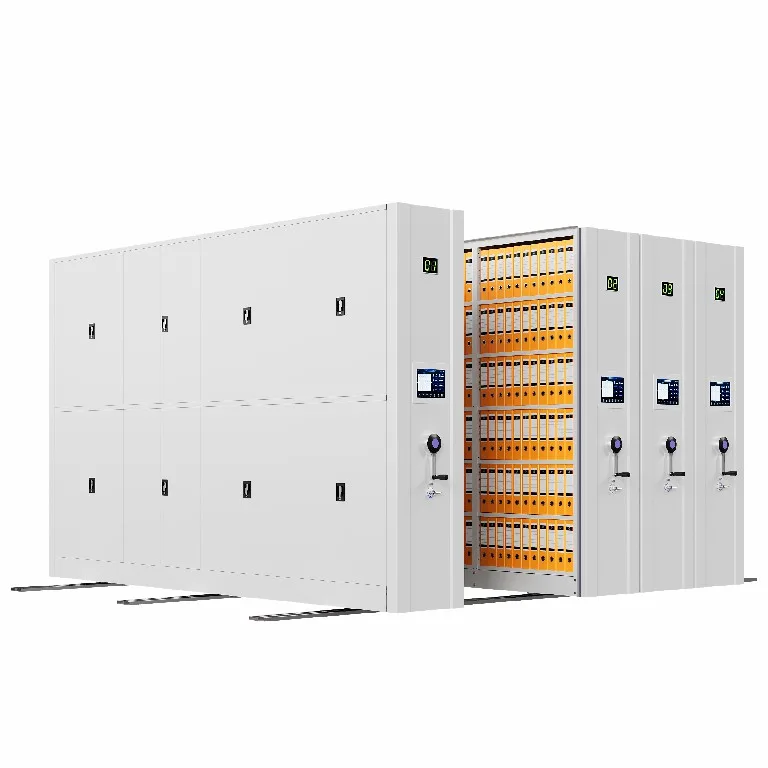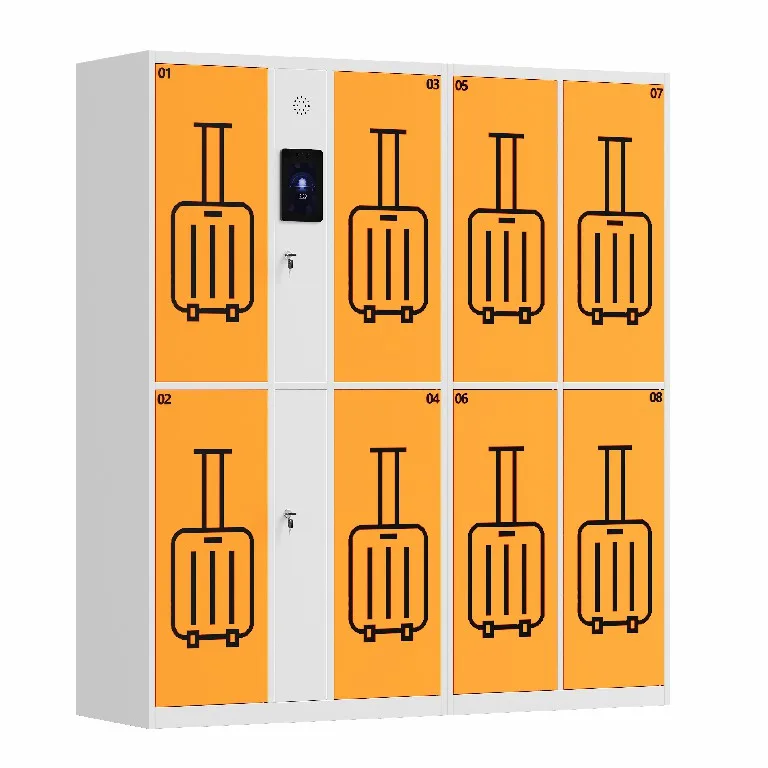

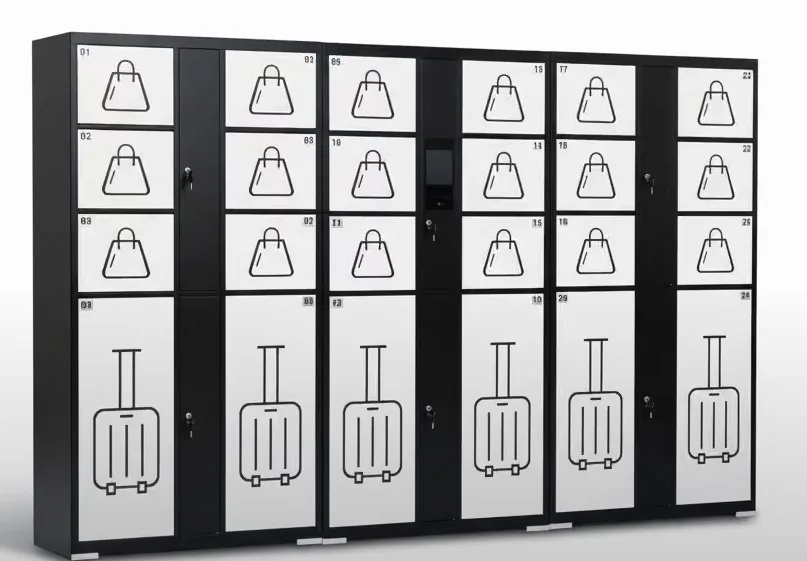
Smart luggage locker bank with QR code access in an airport terminal, secure self-service baggage storage by UFUN
【Introduction】
Every traveler has experienced it: you arrive in a new city at 9 a.m., but your hotel check-in is at 3 p.m. You have a train to catch at 8 p.m., but the museum you want to visit does not allow large bags inside. You land at an airport with a six-hour layover and no desire to drag two suitcases through the terminal.
These moments are not minor inconveniences. They shape how visitors experience a city, how much they spend at local businesses, and whether they recommend a destination to friends. For operators of airports, railway stations, bus terminals, and tourist attractions, luggage storage is no longer a nice-to-have — it is an essential service that directly impacts customer satisfaction, dwell time, and ancillary revenue.
Traditional staffed left-luggage counters are expensive to run, limited in hours, and vulnerable to human error. Smart luggage lockers solve all three problems at once. They combine heavy-duty steel compartments with intelligent access control, remote management software, and multiple authentication methods — delivering a fully self-service storage experience that works around the clock, with no staff required on site.
This guide covers everything facility managers, transit operators, and tourism stakeholders need to know about smart luggage lockers: how they work, which features drive real value, where they perform best, and how to select a supplier who can deliver a system that lasts.
📌 Internal Link Suggestion
Link the phrase “smart locker systems” to your main smart lockers category page. Link “OEM/ODM customization” to your custom manufacturing page.
【H2】
What Exactly Is a Smart Luggage Locker?
Diagram showing how a smart luggage locker works — user scans QR code, compartment opens, luggage stored securely, cloud system logs transaction
A smart luggage locker is a modular, electronically controlled storage system designed for high-traffic public environments. Unlike a traditional coin-operated locker that relies on physical keys or tokens, a smart locker authenticates users digitally — through QR codes, PIN codes, RFID cards, fingerprint scanning, or facial recognition — and logs every single interaction in a central database.
Each compartment operates independently. A traveler completes a short on-screen or mobile flow, selects an available compartment, places their luggage inside, and closes the door. The system records their credential, the compartment number, and the timestamp. When they return, they authenticate again, the correct door opens automatically, and the transaction is marked complete.
Behind the scenes, a cloud-based management platform gives operators real-time visibility into every locker: which compartments are occupied, how long each customer has stored their items, which units need maintenance, and how much revenue the system is generating. This combination of secure hardware and intelligent software is what separates a smart luggage locker from an ordinary metal cabinet.
【H2】
Why Smart Luggage Lockers Are Transforming Public Spaces
The global travel industry is recovering and expanding rapidly, and with that growth comes pressure on infrastructure. Airports, stations, and attractions are handling more passengers than ever before, while labor costs continue to rise. Smart luggage lockers address both sides of this squeeze.
【H3】
For Travelers: Freedom and Flexibility
Travelers value luggage storage because it gives them back their time. Instead of checking into a hotel early, waiting in a lobby, or carrying bags through a museum, they can drop their luggage at a nearby locker and explore unencumbered. Multiple access methods mean international travelers can use the system regardless of language or local payment habits.
【H3】
For Operators: Revenue and Reduced Labor
For facility operators, smart luggage lockers are a revenue-generating amenity that requires almost no ongoing labor. A single bank of lockers can operate 24 hours a day, 365 days a year, generating consistent per-use or subscription income. The cloud management system handles monitoring, reporting, and alerts remotely, so one administrator can oversee dozens of locations across multiple cities.
📌 UFUN Insight
Airports and major train stations that deploy smart luggage lockers often report a 15–25% increase in adjacent retail spend. When travelers are not carrying bags, they are far more likely to browse shops, sit down for a meal, or visit a terminal attraction — turning a storage amenity into a direct revenue catalyst.
【H2】
Core Benefits of a Smart Luggage Locker System
【H3】
- Bank-Grade Security for Every Bag
Each compartment is fitted with a high-grade electronic lock that only opens when the system verifies the correct credential. Every deposit and retrieval is time-stamped and logged, creating an unbroken audit trail. This dramatically reduces the risk of lost luggage, mistaken pickups, and disputes — problems that plague traditional staffed storage counters.
【H3】
- Multiple Authentication Methods for Every User
A strong smart locker system supports several access methods so that any traveler can use it comfortably, regardless of nationality or technical familiarity:
- QR Code Scanning — the most universal method; scan a code from your phone or printed receipt. Ideal for one-time international users.
- PIN Code Entry — a simple numeric code works for travelers without smartphones or data roaming. Reliable fallback for any scenario.
- RFID / IC Card — fast and familiar for frequent travelers, transit card holders, and staff who use the same location regularly.
- Fingerprint Recognition — ties access directly to an individual, eliminating shared credentials. Excellent for premium locations.
- Facial Recognition — completely contactless, fastest option for high-throughput environments. Increasingly expected at modern airports.
【H3】
- True 24/7 Unattended Operation
Flights arrive at 2 a.m. Trains depart at 5 a.m. Tourists start early and finish late. A staffed counter cannot cover all of these windows cost-effectively, but a smart locker system never closes. This round-the-clock availability is not just a convenience — it is a competitive advantage that travelers actively seek out when planning trips.
【H3】
- Lower Operating Costs, Higher Margins
Replacing a staffed left-luggage counter with smart lockers eliminates full-time salaries, benefits, and scheduling overhead. The system handles payment, access, and monitoring automatically. Most operators recover their investment within 12 to 18 months, after which the locker bank becomes a pure-profit amenity.
【H2】
Smart Luggage Locker Specifications at a Glance
Smart luggage locker features comparison table — compartment sizes, access methods, payment options, and customization by UFUN
Compare standard and UFUN customizable configurations:
| Feature | Standard | UFUN Customization |
| Compartment Sizes | S/M/L mixed | Custom for backpacks, carry-ons, large suitcases, sports gear |
| Access Methods | QR + PIN | QR, PIN, RFID, fingerprint, facial — any combination |
| Material | Cold-rolled steel | Custom gauge, RAL color, anti-corrosion for coastal areas |
| Payment | Cash / card | Coin, bill, credit card, NFC, QR, API with local gateways |
| Software | Web dashboard | Multi-language UI, white-label, API, multi-site management |
| Mounting | Golvstående | Wall-mounted, modular expansion, outdoor weatherproof |
| Power | AC 110–240V | UPS backup, solar-hybrid for remote sites |
| Languages | English + local | Any language — Vietnamese, Thai, Arabic, French, Spanish |
【H2】
Key Features That Separate Good Systems From Great Ones
【H3】
Custom Compartment Layouts
Not all luggage is the same size. A backpack, a carry-on rolling suitcase, and a large checked bag require very different compartments. The best smart locker systems offer mixed-size configurations within a single bank, so operators can match the layout to their specific user profile. An airport might prioritize large compartments for checked bags, while a museum might focus on small and medium units for backpacks and handbags.
【H3】
Branding and Visual Integration
A luggage locker bank does not have to look like generic industrial equipment. Leading manufacturers offer full branding customization — custom RAL colors to match a facility’s interior design, logo printing on doors and panels, and even branded screen interfaces. For airports, hotel chains, and major attractions, this means the locker system becomes an extension of the brand rather than an eyesore in the lobby.
【H3】
Multi-Language Interface
International travelers come from everywhere, and a locker system that only speaks one language creates friction at exactly the moment a user is already stressed from travel. A multi-language touchscreen interface ensures that any traveler can complete a transaction confidently without staff assistance.
【H3】
Intelligent Backend Management
A robust web-based management platform should provide:
- Real-time occupancy status for every compartment, across every location
- Complete operation logs with user credential, timestamp, and compartment number
- Automated alerts for overdue storage, door faults, or power interruptions
- Revenue reporting by day, week, month, and location
- Remote troubleshooting and configuration updates without an on-site visit
- Role-based access for administrators, technicians, and location managers
【H3】
Built for High-Frequency Public Use
A luggage locker in an airport or major train station may be opened and closed hundreds of times per day. Industrial-grade construction is non-negotiable: heavy-gauge steel doors, reinforced hinges, anti-pry locking mechanisms, and scratch-resistant powder coating. Cutting corners on build quality leads to breakdowns, security vulnerabilities, and costly replacements within a few years.
📌 UFUN Pro Tip
When evaluating suppliers, always ask for the rated cycle life of the electronic lock mechanism and door hinges. A quality system should be rated for 50,000+ open-close cycles without maintenance. If a supplier cannot provide this specification, the hardware is likely not built for true high-traffic public use.
【H2】
Top 6 Places to Deploy Smart Luggage Lockers
Six application scenarios for smart luggage lockers — airport, train station, bus terminal, tourist attraction, convention center, city center
【H3】
Airports — Highest Value Deployment
Airports are the single highest-value deployment location. Passengers on long layovers, early arrivals, or delayed flights consistently need secure storage. Locker banks near check-in areas, baggage claim, and transit connections generate steady revenue while improving the overall passenger experience.
【H3】
Railway and Metro Stations
Train stations serve both long-distance travelers and daily commuters. Smart lockers near station entrances and platform connections serve tourists storing luggage during a day visit, as well as commuters storing work bags or sports equipment. High foot traffic and predictable daily patterns make stations excellent revenue performers.
【H3】
Bus Terminals and Intercity Hubs
Bus terminals often serve budget-conscious travelers and regional routes where layovers are common. These locations typically have lower real estate costs and less competition from staffed luggage services, making them high-margin opportunities for smart locker operators.
【H3】
Tourist Attractions and Scenic Areas
Museums, temples, historical sites, and theme parks frequently prohibit large bags for security reasons. Smart lockers at the entrance solve this problem while creating an additional revenue stream. Visitors appreciate the convenience, and attraction operators reduce security screening time and improve crowd flow.
【H3】
Convention and Exhibition Centers
Conference attendees travel with laptops, presentation materials, and promotional items. Smart lockers at convention centers provide secure storage during sessions and networking events. These locations also benefit from flexible configurations that can be adjusted based on event size and attendee profile.
【H3】
City Centers and Pedestrian Zones
An emerging trend is standalone luggage locker installations in city centers, near major shopping districts and tourist walking routes. These serve as third-party luggage storage networks, competing with traditional staffed luggage storage shops but offering 24/7 availability and lower prices.
【H2】
How to Choose the Right Smart Luggage Locker Supplier
Selecting a supplier is the most important decision in any smart locker deployment. The wrong choice leads to hardware failures, software bugs, and abandoned projects. Here is what to evaluate:
【H3】
Manufacturing Track Record
Look for a manufacturer with at least 8–10 years of experience in steel furniture and electronic locker systems. Ask for references from similar deployments — airports, stations, or attractions in other countries.
【H3】
Software Capability and API Access
The locker software should be mature, stable, and capable of integration. If you plan to connect the lockers to an existing facility management system, a mobile app, or a third-party booking platform, confirm that the supplier offers a full REST API and developer documentation.
【H3】
Certification and Compliance
For international deployment, ensure the system carries CE certification for Europe, FCC for the United States, and any local certifications required in your target market. The electronic components should meet relevant safety standards.
【H3】
After-Sales Support and Spare Parts
Even the best hardware occasionally needs maintenance. Confirm that the supplier provides remote technical support, readily available spare parts, and a clear warranty period.
【H3】
Total Cost of Ownership
Do not compare purchase price alone. Calculate the total cost of ownership over five years: hardware cost, installation, software licensing, maintenance, spare parts, and expected downtime. A slightly more expensive system with better build quality will almost always cost less over its lifetime.
【H2】
Vanliga frågor
📌 FAQ Schema Note
Copy these Q&As into your website’s FAQ block (Rank Math / Yoast FAQ Schema) to get rich snippets in Google search results.
Q1. How much does a smart luggage locker system cost?
A: Pricing depends on compartment count, size mix, access methods, and customization. A standard 12–20 compartment bank typically ranges from $3,000 to $8,000 USD, while large custom installations for airports can run $15,000+. UFUN provides detailed quotes based on your specific layout and feature requirements.
Q2. Can smart luggage lockers operate outdoors?
A: Yes, when specified with weatherproof construction. Outdoor models feature sealed electronic compartments, corrosion-resistant galvanized steel, UV-stable powder coating, and drainage systems. They are suitable for covered outdoor areas such as station plazas, attraction entrances, and bus terminal courtyards.
Q3. How do travelers pay for locker usage?
A: Systems support multiple payment options depending on the market: credit/debit cards, contactless NFC, mobile wallets, QR code payments, cash and coins, or prepaid accounts. For locations where payment is not needed (e.g., hotel guest amenities), the system can operate in free-access mode with authentication only.
Q4. What happens if a user forgets their PIN or loses their QR code?
A: The management platform allows administrators to remotely open any compartment after verifying the user’s identity through their booking record, payment receipt, or ID. Most systems also send a backup access code via SMS or email at the time of deposit.
Q5. How many compartments should I install?
A: Start by estimating peak-hour demand. A useful rule of thumb is 1 compartment per 50–100 daily visitors for tourist attractions, and 1 per 200–500 daily passengers for airports and stations. Always include a mix of sizes and leave physical space for modular expansion as demand grows.
Q6. Can the locker system be branded with our logo and colors?
A: Absolutely. UFUN offers full OEM/ODM customization including custom RAL colors, logo printing on doors and panels, branded touchscreen interfaces, and custom instruction signage. This allows the locker system to integrate seamlessly with your facility’s existing design and brand identity.
【H2】
Conclusion: Smart Luggage Lockers Are Essential Modern Travel Infrastructure
Luggage storage is one of those services that travelers only notice when it is missing — but when it is done well, it transforms the entire travel experience. Smart luggage lockers bring security, convenience, and 24/7 availability to locations where traditional staffed storage is too expensive or too limited to serve the demand.
For airports, railway stations, bus terminals, tourist attractions, and convention centers, the business case is clear: lower labor costs, incremental revenue, improved customer satisfaction, and a modern image that aligns with today’s digitally savvy travelers. The key to success lies in selecting a system with industrial-grade hardware, flexible access methods, robust management software, and a supplier who stands behind their product long after installation.
UFUN has over a decade of experience manufacturing smart locker systems for clients across more than 20 countries. Our luggage lockers combine heavy-duty steel construction, multi-method access control, multi-language interfaces, and full OEM/ODM branding customization — all backed by a responsive international support team.
 Phone/WhatsApp: +86 17737721702
 Email: young@lyyoubao.com