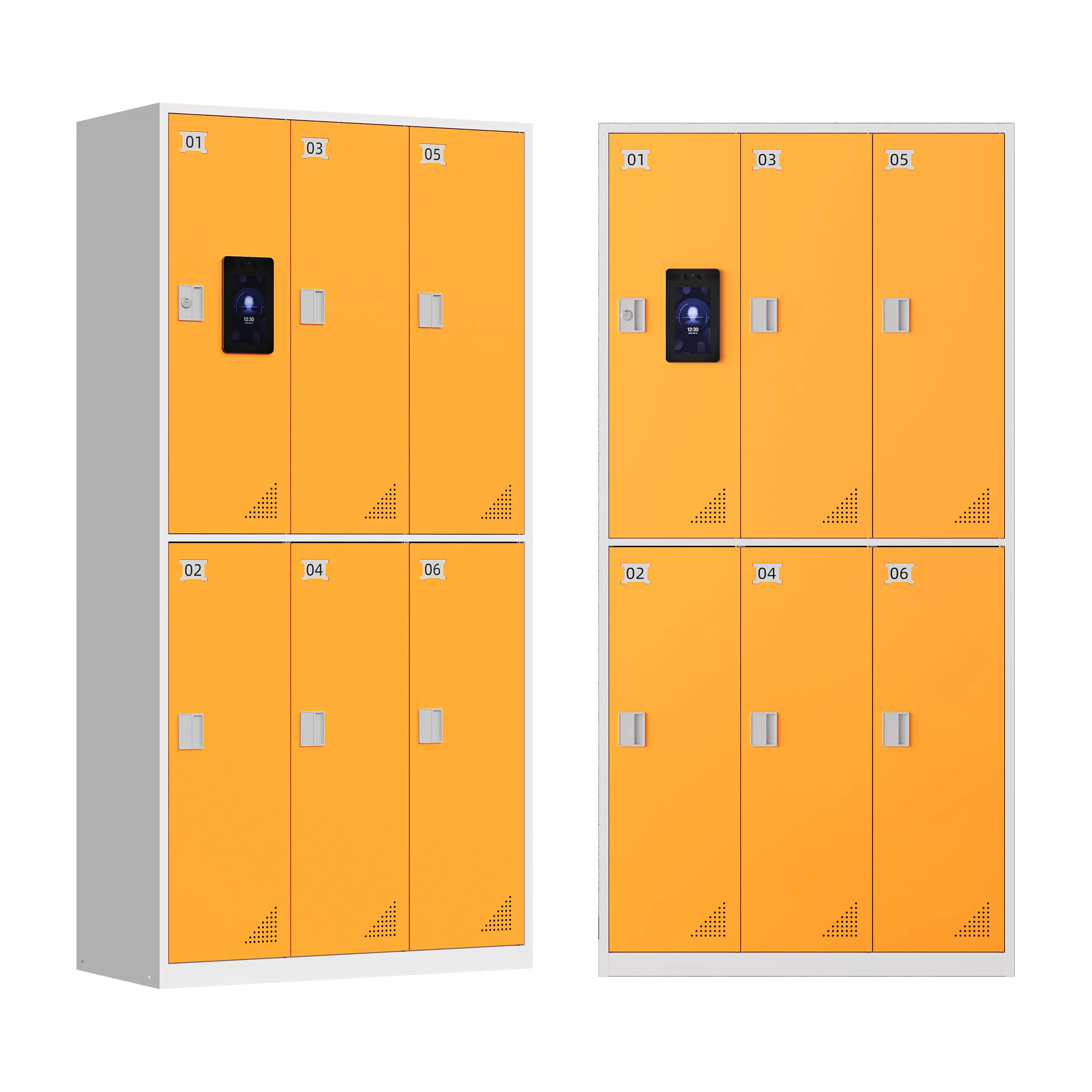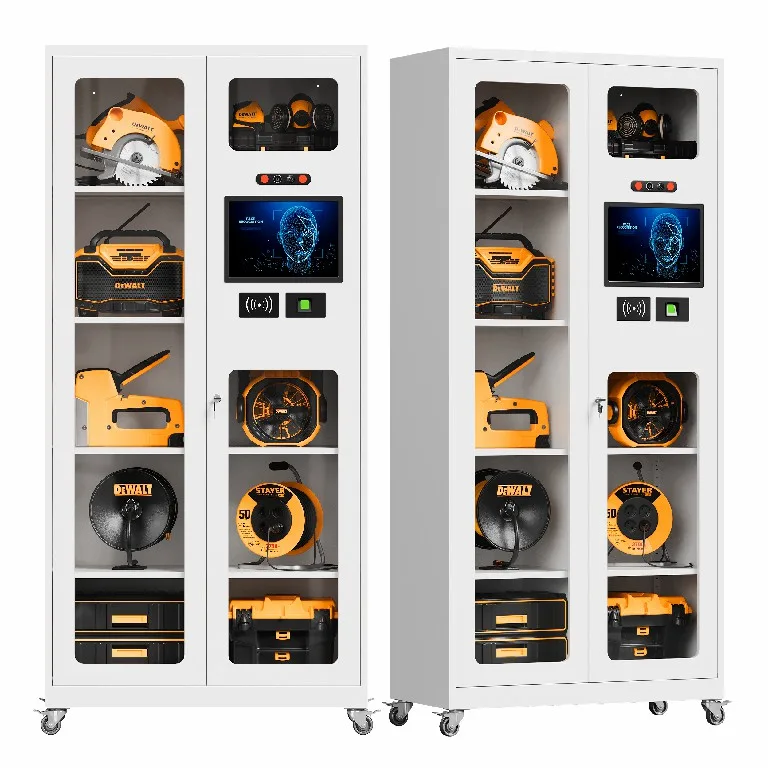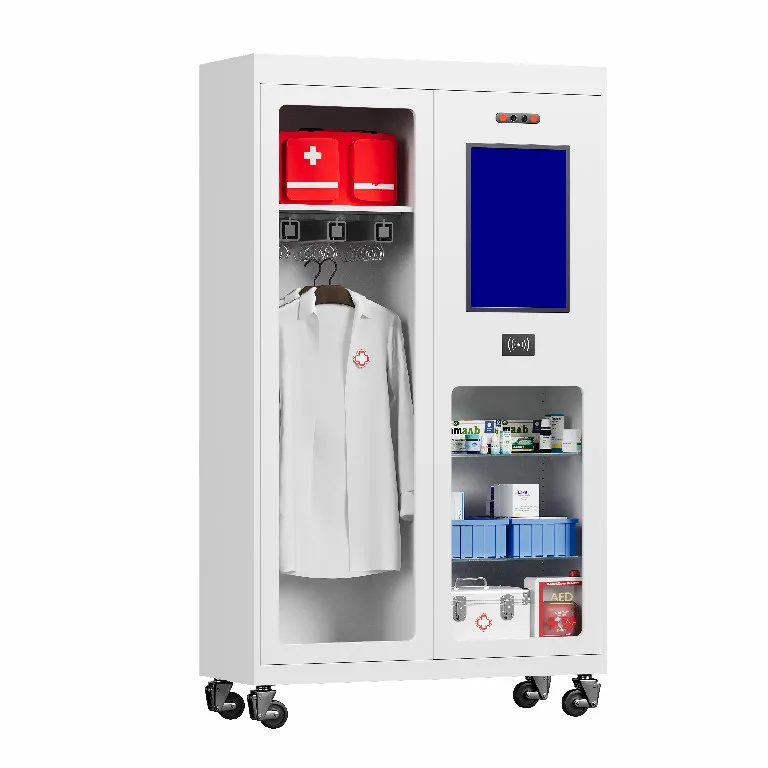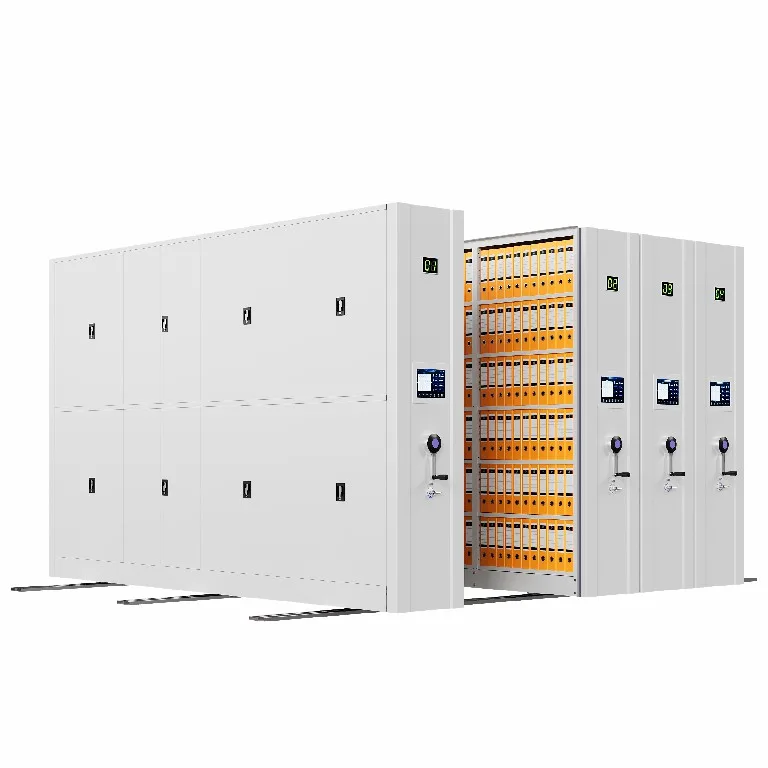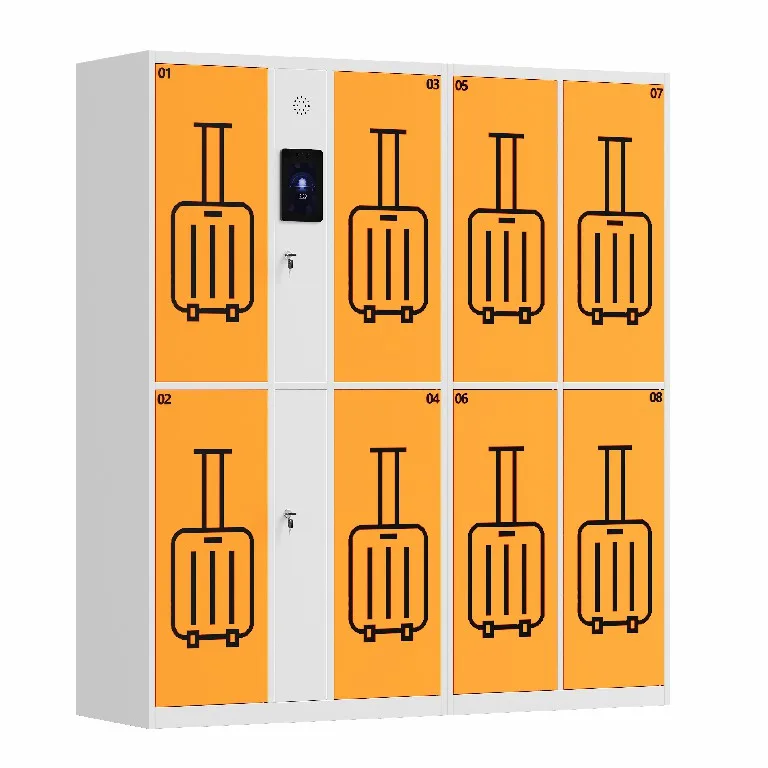

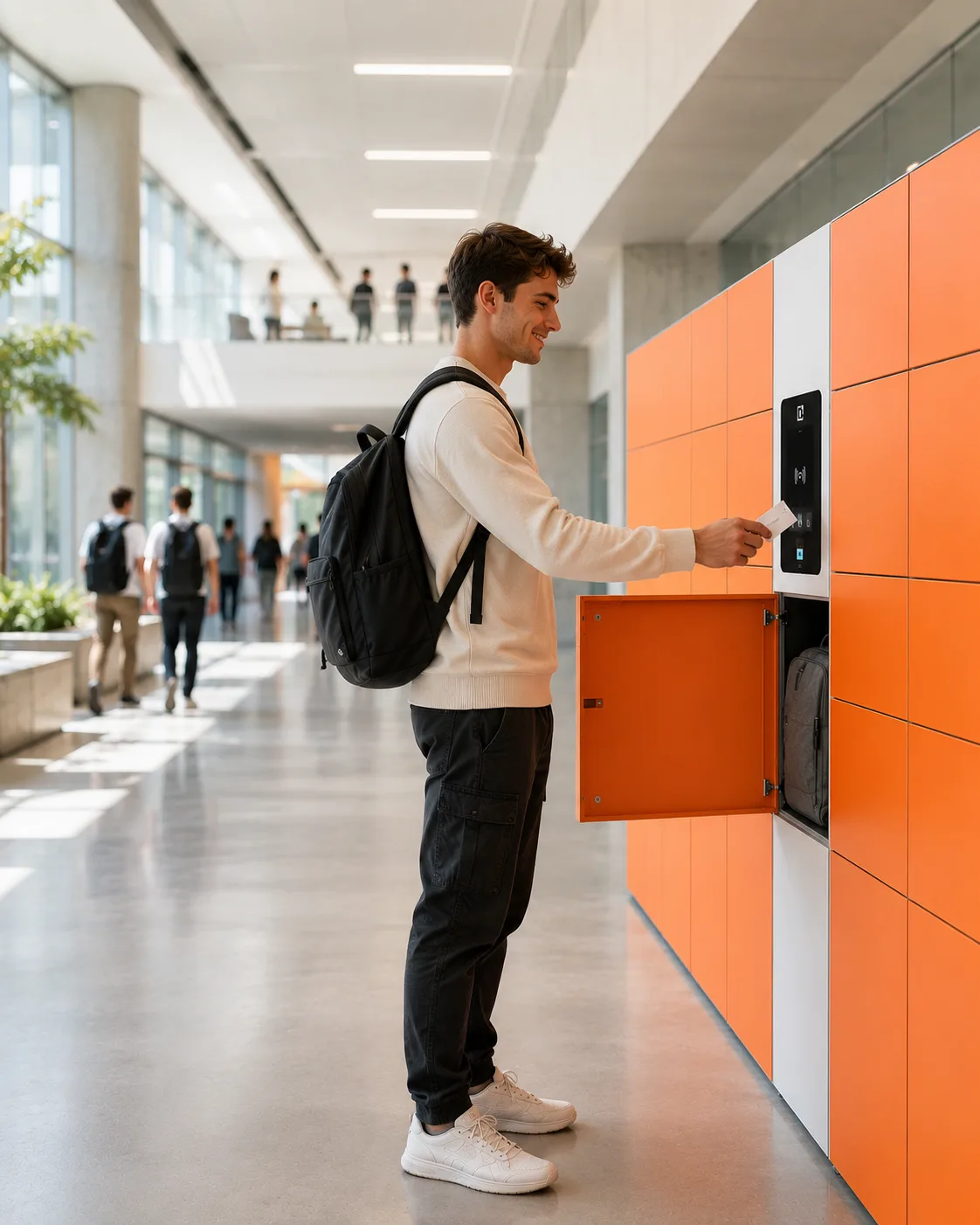
Smart lockers are next-generation cloud-enabled storage solutions built to streamline end-to-end smart asset management across commercial enterprises, educational campuses, healthcare facilities, and industrial workspaces. Engineered specifically for simplified oversight of portable electronics and workplace equipment, these intelligent storage units feature digital identity verification, real-time operational tracking, and integrated device charging functions. Whether your organization runs a campus-wide student device sharing program or a large enterprise overseeing fleets of workplace tech devices, professional smart locker systems keep valuable equipment safe, fully powered, and ready for everyday operational use.
This in-depthsmart locker guide explores every core aspect of modern smart locker technology. Readers will gain comprehensive insights covering smart locker operational principles, including hardware configurations, cloud software frameworks, digital access protocols, and data-driven analytics. It also delivers a detailed performance comparison against conventional locker systems, plus practical, actionable guidance on industry-specific applications, key cost variables, and professional system selection tips tailored to unique business and institutional goals.
Smart Lockers vs. Traditional Lockers: Core Operational Differences
Conventional storage lockers rely entirely on physical keys or fixed combination dials, paired with manual sign-in sheets and spreadsheet logs to track equipment checkout and usage. This outdated manual management model is notoriously prone to human error, missing documentation, unaccounted-for assets, and excessive repetitive administrative work that drains operational efficiency.
Smart asset lockers completely redefine traditional storage workflows through software-automated electronic locking technology. Every user access attempt, device pickup, and equipment return undergoes digital verification and automatic cloud-based logging. System administrators have full flexibility to set time-bound access permissions, monitor on-site locker activity remotely, and maintain complete, audit-ready usage records—all without hands-on manual supervision. By merging heavy-duty reinforced physical storage structures with intelligent cloud management, modern smart locker solutions deliver unmatched levels of security, operational transparency, and workflow adaptability for contemporary asset management demands.
What Is a Smart Locker? A Complete Definition
A smart locker is a network-connected, intelligent storage platform that replaces outdated physical keys and static combination locks with electronic access control and centralized cloud management software. It automates the full cycle of asset storage, self-service pickup, and equipment return while providing administrators with complete, real-time visibility into all storage and usage activities.
Unlike passive traditional lockers that offer zero usage tracking, modern smart locker solutions automatically log every user interaction, capturing user credentials, exact access timestamps, and specific compartment usage data. This digital audit trail eliminates labor-intensive manual tracking processes, strengthens organizational asset accountability, and retains the simple, user-friendly experience of standard locker storage. Highly flexible and fully scalable, these intelligent systems fit diverse use cases, including educational device programs, corporate equipment distribution, healthcare asset management, and industrial tool oversight.
Core Technology Powering Modern Smart Locker Solutions
A fully functional smart locker ecosystem integrates robust industrial-grade physical hardware with intuitive, high-performance cloud software. This synergy creates a data-driven intelligent storage network that far outperforms the static, limited functionality of traditional lockers. The seamless fusion of physical infrastructure and digital intelligence enables automated workflows, real-time operational visibility, and centralized remote management for multi-site deployments.
Key Hardware Components
Smart locker banks feature modular, size-customizable compartments designed to accommodate a wide range of valuable assets, including laptops, tablets, mobile scanners, industrial hand tools, and small packaged equipment. Each individual compartment is equipped with purpose-built smart hardware to ensure security, usability, and connectivity:
- Digital Electronic Locking Systems: Processor-powered smart latches that eliminate physical key reliance, eliminating key loss risks and boosting overall storage security.
- Smart Presence & Status Sensors: Advanced sensors monitor compartment door status, occupancy status, and item presence to prevent unrecorded asset removal and unauthorized access.
- Built-In Charging Modules: Optional integrated AC and USB-C charging ports keep stored electronic devices continuously powered, ensuring full operational readiness at all times.
- Multi-Protocol Network Connectivity: Flexible support for Ethernet, Wi-Fi, and cellular connections maintains stable, real-time synchronization with the central cloud management platform.
These hardware upgrades transform basic passive storage cabinets into active, network-integrated nodes within an organization’s broader smart asset management ecosystem.
Cloud-Based Software Platform
The cloud software layer acts as the central command hub for all smart locker operations, delivering unified centralized control and end-to-end workflow automation. Core platform capabilities include intuitive admin dashboards for user permission management, customizable access policy configuration, and automated usage report generation. The system supports seamless API integration with leading enterprise tools, including identity management solutions, IT service management platforms, and mobile device management (MDM) software.
Real-time cloud synchronization securely backs up all audit trails, system configuration data, and usage analytics. This enables administrators to oversee multiple geographically dispersed locker locations from a single unified dashboard, update access rules remotely, and receive instant system anomaly alerts without requiring on-site maintenance visits.
Versatile Digital Access Control Options
Smart lockers eliminate the hassles of physical key distribution and management by offering a comprehensive suite of digital authentication methods tailored to diverse organizational environments. Supported access pathways include one-time PIN codes delivered via email or SMS, RFID/NFC-enabled staff and student ID cards, scannable QR code credentials, and enterprise Single Sign-On (SSO) integration with existing corporate identity systems. This exceptional versatility makes smart lockers ideal for K-12 and higher education campuses, corporate offices, medical facilities, and manufacturing facilities.
Real-Time Monitoring & Data Analytics Capabilities
Every smart locker interaction—including door openings and closures, asset pickups, and equipment returns—generates precise timestamped digital logs. Aggregated usage data empowers administrators to analyze long-term usage patterns, monitor real-time asset availability, flag overdue equipment returns and unusual access activity, and track overall locker system performance and uptime.
Premium smart locker platforms feature customizable alert triggers, visual data visualization dashboards, and exportable audit reports. This data-centric management approach allows facility and IT teams to optimize locker capacity allocation, refine asset distribution workflows, and effortlessly meet industry compliance and formal reporting requirements.
Key Benefits & Practical Limitations of Smart Locker Deployment
Implementing a cloud-native smart locker system delivers tangible operational and administrative improvements for asset-heavy organizations. Digitized access control and automated asset tracking cut down manual workloads, strengthen physical asset security, and maximize device uptime and operational availability.
Core Operational Benefits
- Self-Service Asset Handoff Automation: End users can independently complete device pickup, return, and equipment exchange without waiting for on-site staff support, speeding up service workflows and elevating overall user experience.
- Complete Accountability & Audit Trails: Automated digital logging creates immutable, verifiable records for every asset interaction, minimizing lost or misplaced equipment and simplifying compliance audit procedures.
- Enhanced Asset Utilization Rates: Real-time visibility into locker occupancy and device operational status allows management teams to allocate equipment resources more strategically and reduce idle, underutilized assets.
- Reduced Administrative Overhead: The system automates repetitive tasks such as user identity verification, overdue equipment reminders, and service ticket creation, freeing IT and facility staff to focus on high-priority core responsibilities.
- Standardized Cross-Team User Experience: Unified SSO access and consistent software interfaces standardize asset management protocols across multiple departments and branch locations.
Practical Deployment Limitations to Evaluate
While smart lockers deliver substantial long-term operational value, organizations must address a few key considerations during the pre-deployment planning phase. Integrating smart locker systems with existing identity management, IT service, and MDM platforms requires basic cross-department coordination and technical configuration, though professional implementation support can streamline the entire setup process significantly.
Additionally, smart locker units require dedicated floor space, consistent power supply, and stable network connectivity, which may limit installation flexibility in older buildings or compact, high-traffic work environments. Even with these minor constraints, the long-term efficiency gains, cost savings, and operational improvements delivered by smart locker systems far outweigh initial deployment challenges for the vast majority of organizations.
How Smart Lockers Work: Step-by-Step Operational Workflow
Smart locker systems are engineered to simplify and secure organizational asset management through fully automated, user-friendly workflows. The standard end-to-end operational process consists of six streamlined steps:
- Task Allocation: System administrators or integrated IT management platforms assign specific locker compartments to individual users for device pickup, return, or equipment exchange tasks.
- Automated Credential Dispatch: The cloud platform generates unique, secure access verification credentials (PIN codes, QR codes, etc.) and delivers them to users via automated email or SMS notifications.
- On-Site Identity Authentication: Users verify their identity at the locker terminal by entering a PIN, scanning an RFID badge, or using mobile SSO credentials to unlock their assigned compartment.
- Automatic Cloud Logging: The system instantly records the user’s identity, exact access time, and specific locker compartment number to the centralized cloud audit database.
- Asset Retrieval or Storage: Users complete their intended task by picking up or storing equipment, after which the locker compartment automatically locks and resets for future use.
- Remote Administrative Oversight: Authorized administrators monitor real-time locker activity, review historical usage data, and manage system alerts through the cloud-based management dashboard.
This fully digitized workflow eliminates outdated paper logs and physical key management entirely, enabling full process transparency, precise asset tracking, and efficient centralized control for all smart locker operations.
Key Industry Use Cases for Smart Locker Systems
Smart locker technology offers exceptional cross-industry adaptability, solving common asset management pain points by replacing inefficient manual workflows with automated, traceable digital processes for diverse business and institutional sectors.
Education Sector
K-12 schools and higher education institutions widely deploy smart lockers for schools to support 1:1 student device programs. Students can independently retrieve and return laptops and tablets without disrupting classroom activities or increasing IT team workloads. The system minimizes device loss, charger misplacement, and equipment damage, reducing routine maintenance and asset reconciliation work for campus staff.
Healthcare Industry
Hospitals and clinical facilities leverage medical smart lockers to manage shared medical tablets, portable scanning devices, and mobile clinical equipment across staff shift changes. Automated access control and continuous device charging ensure medical equipment remains fully operational and accessible for patient care at all times, while comprehensive digital audit logs help facilities meet strict healthcare asset compliance standards.
Enterprise Business Operations
Large-scale enterprises utilize smart locker technology to optimize internal IT service delivery. Employees can self-service collect, replace, or return workplace laptops and mobile devices on demand, reducing IT ticket backlogs and service delays. The centralized management dashboard enables IT teams to monitor company-wide device usage, track equipment status, and minimize operational downtime.
Retail & Industrial Manufacturing
Retail chains, logistics warehouses, and manufacturing facilities deploy industrial smart lockers to manage shared handheld terminals, production tools, and company mobile devices. The system guarantees secure equipment storage, clear usage accountability, and consistent device charging readiness for daily shift operations, standardizing on-site asset management workflows and reducing operational risks.
Smart Locker System: Key Cost Factors
The overall investment required for asmart locker solution varies based on system scale, hardware configuration, and software functional tiers. Standard organizational deployments typically range from $3,000 to $12,000+ per system. Primary pricing variables include the total number of storage compartments, integrated charging functionality, network connection configurations, and the depth of cloud management and data analytics features. Custom functional upgrades and multi-site system interconnection capabilities will also influence the final project cost.
How to Choose the Right Smart Locker System for Your Organization
Selecting a high-quality smart locker system requires aligning technical functionality, scalability, and usability with your organization’s long-term asset management objectives. Evaluate potential vendors and systems based on these critical criteria:
- Scalable Cloud Infrastructure: Opt for a cloud-native platform that supports multi-site centralized management and seamless integration with your existing IT ecosystem to accommodate future business growth and expansion.
- Multi-Tier Security Authentication: Prioritize systems with diverse digital access methods and customizable role-based access permissions to deliver graded, secure asset management for different user groups.
- Reliable Network Compatibility: Ensure the system supports both wired LAN and wireless Wi-Fi connectivity, with optional offline operation modes to maintain functionality during network instability.
- Intuitive User Interface: Choose user-friendly dashboards and terminal interfaces for both end users and administrators to minimize training costs and daily operational maintenance efforts.
- Comprehensive Vendor Support: Verify the provider offers complete onboarding training, professional technical support, and reliable spare parts services to guarantee smooth deployment and long-term stable system operation.
Frequently Asked Questions (FAQs)
What is a smart locker system?
A smart locker system is a cloud-connected intelligent storage solution equipped with electronic locking mechanisms and digital management software. It enables automatic user identity verification, real-time access tracking, and unmanned asset management, fully replacing traditional manual key control and paper-based recording systems.
What technology do smart lockers use?
Smart lockers combine intelligent physical hardware (electronic locks, presence sensors, charging modules, network adapters) with powerful cloud management software. The system supports data synchronization and integration with mainstream enterprise identity, IT service, and mobile device management platforms to achieve intelligent, automated asset oversight.
What is the core purpose of smart lockers?
Smart lockers are designed to streamline the distribution, storage, and recycling of shared organizational assets such as electronic devices and workplace tools. They enhance asset security and usage transparency while drastically cutting down manual administrative workloads for equipment management teams.
How do smart lockers operate?
Smart lockers authenticate users through PIN codes, QR scans, RFID badges, or enterprise SSO credentials. Upon successful identity verification, the assigned storage compartment unlocks automatically, and the system records the entire access event in the cloud database to form a complete, traceable audit record.
Can smart lockers charge electronic devices?
Yes. Most modern smart locker models come equipped with built-in USB-C and AC charging ports in every compartment. These ports charge and sustain laptops, tablets, and other portable electronics during storage, ensuring all devices are fully powered and ready for immediate use.