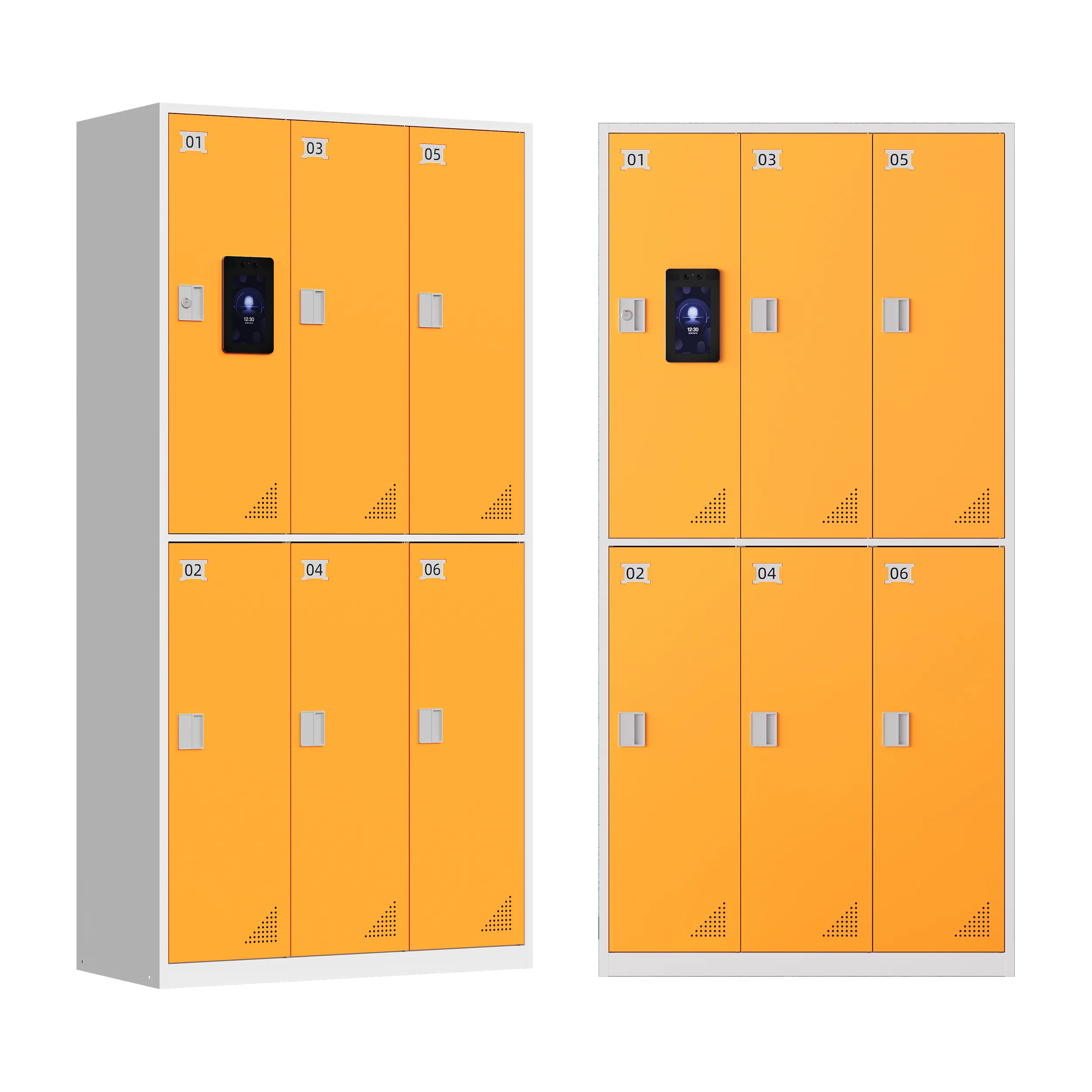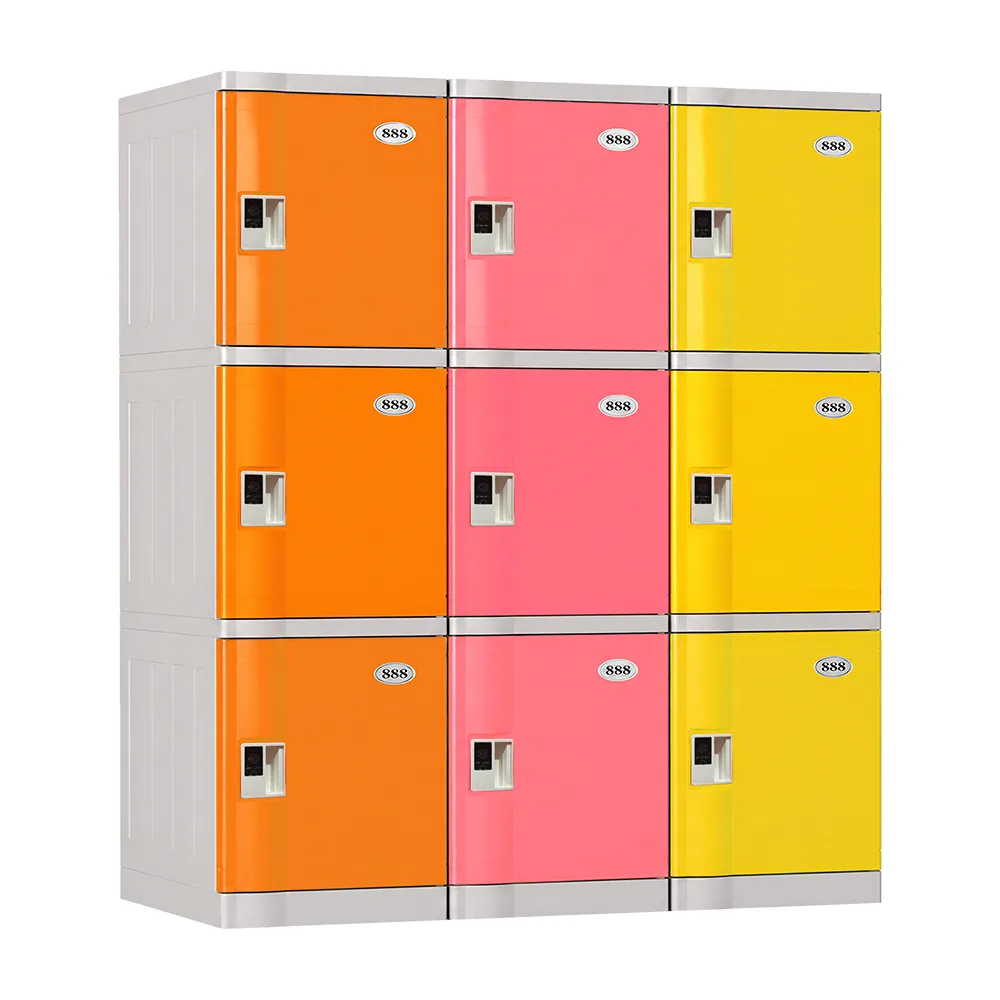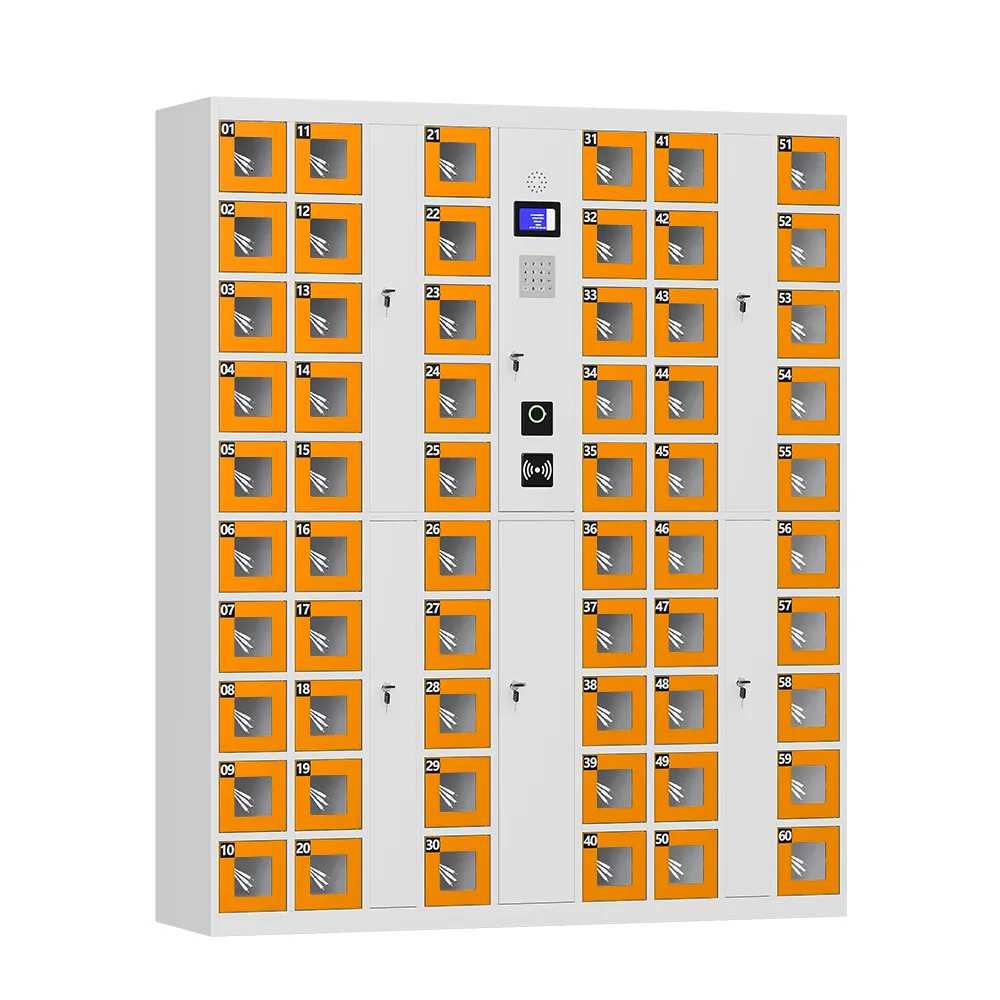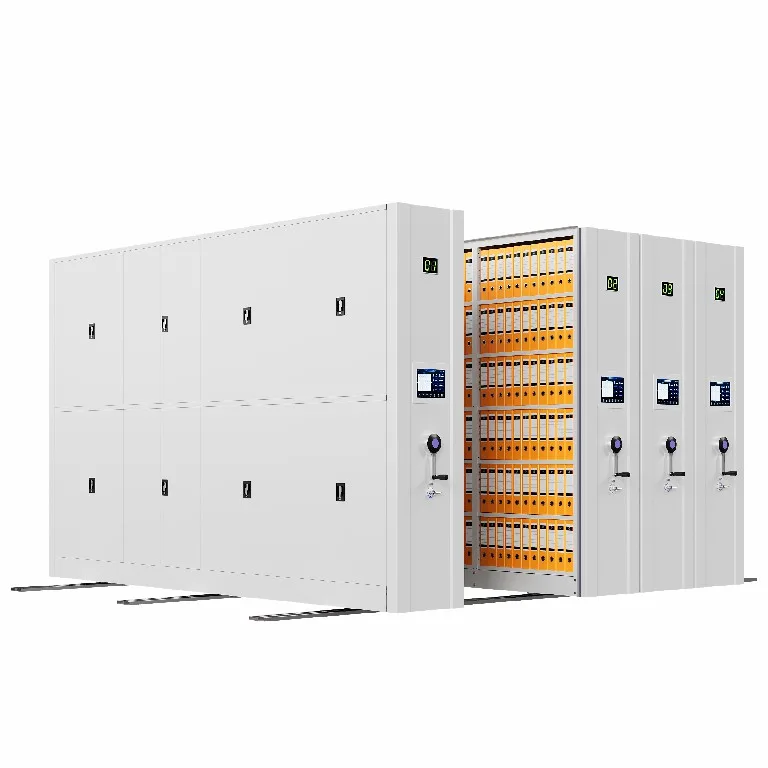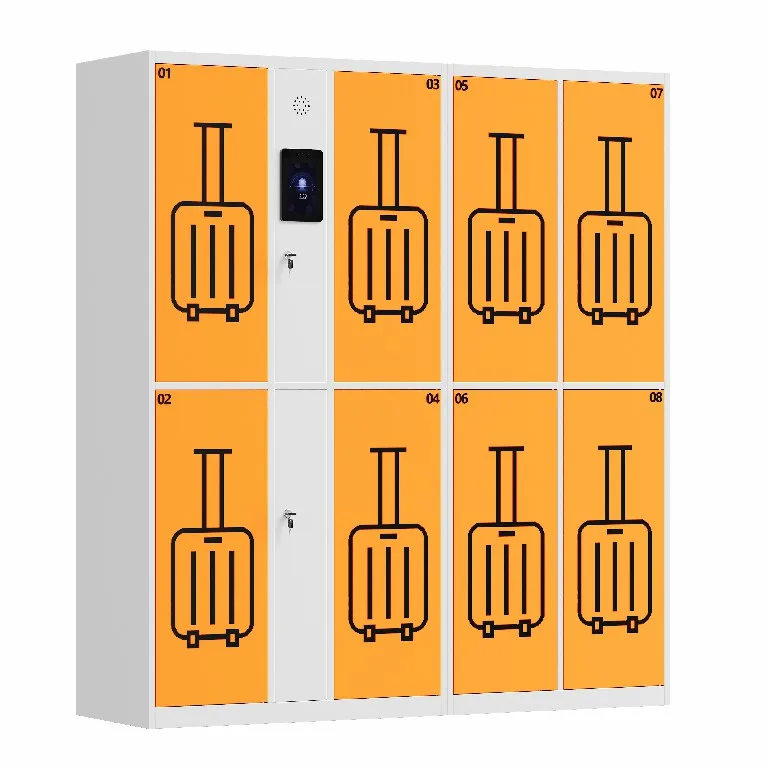

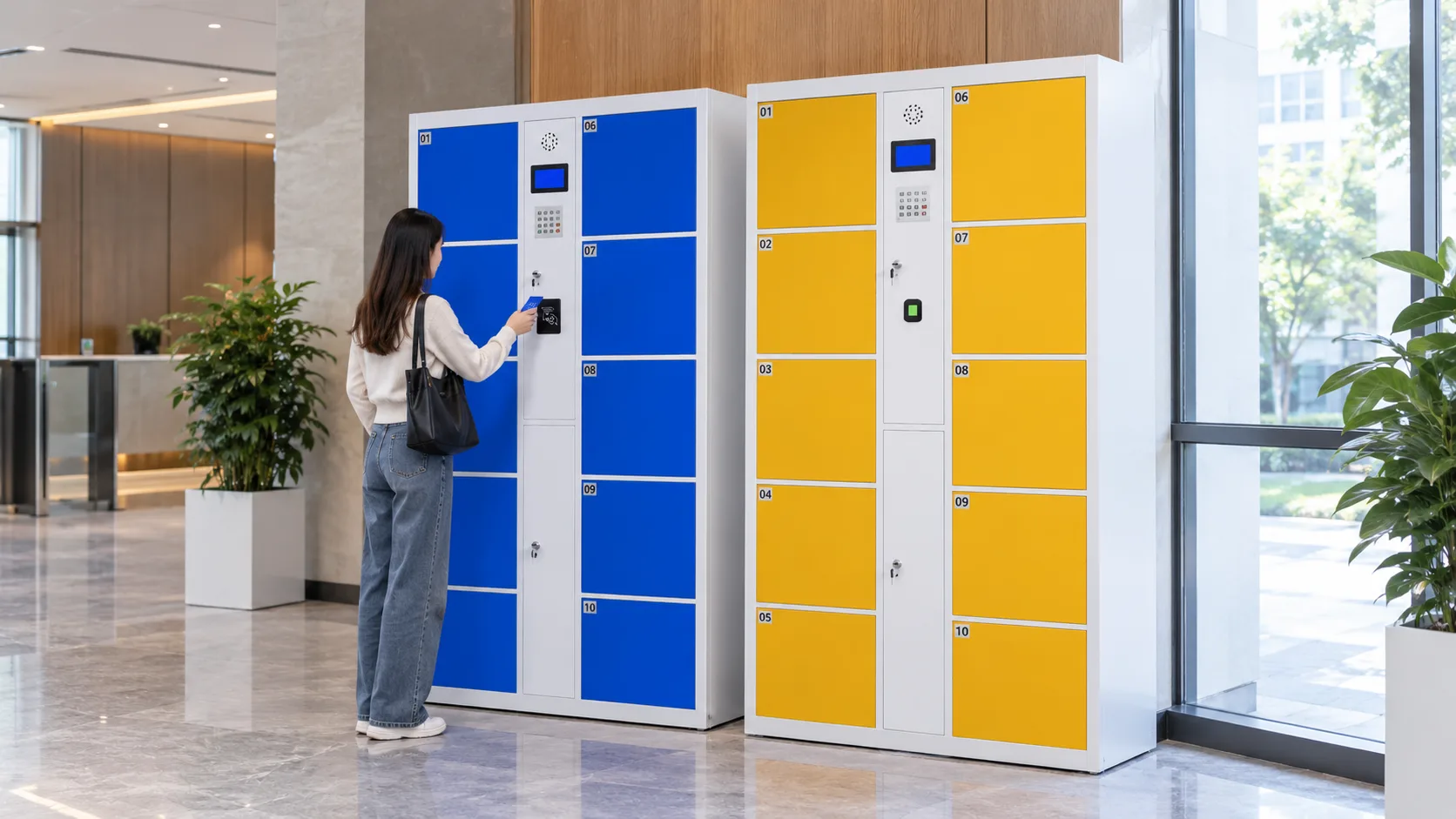
From residential buildings and transit hubs to corporate offices, fitness centers and university campuses, smart lockers have evolved from a niche amenity to standard infrastructure across nearly every sector. Driven by rising demand for contactless services, 24/7 operational flexibility and stronger security controls, intelligent storage solutions are replacing traditional manned lockers, key-based cabinets and unattended drop-off points at a rapid pace.
At their core, smart lockers solve two age-old storage challenges that have long competed with each other: how to keep belongings secure, while keeping access fast and frictionless. Legacy storage systems force a trade-off: high-security setups require staff checks and slow procedures, while convenient self-service options often lack robust protection. Modern smart lockers eliminate this compromise by integrating advanced security technology and intuitive self-service design into a single system.
The Security Architecture of Modern Smart Lockers
Security in smart lockers is not limited to a single lock or access code. It is a multi-layered system spanning physical hardware, electronic access control, data protection and operational oversight.
1. Multi-Layer Identity Verification Systems
Every smart locker operates on a verified-access model: only authorized users can open assigned compartments. Systems support a tiered range of authentication methods to match different security levels and use cases:
- RFID / card access: The most widely used method for gyms, offices and factories. Users tap an existing membership card, employee badge or student ID to unlock their compartment — fast, familiar and low-friction.
- PIN code access: A reliable backup method and standalone option for public spaces, requiring no physical credential.
- Biometric verification (fingerprint / face recognition): The highest-security option for facilities handling sensitive items, restricted areas or high-value assets. Biometric data is stored locally and encrypted, with no central image repository.
- QR code / mobile access: Ideal for temporary users and public parcel lockers. A one-time or time-limited code is sent to the user’s phone, eliminating the need for pre-registration or physical cards.
Each authentication method can be used alone or combined for multi-factor security in high-risk environments.
2. Data Encryption & Privacy Compliance
Beyond physical access, modern smart lockers protect user data at every layer — a critical consideration for businesses operating under GDPR, CCPA and other global data regulations.
- All user credentials, access logs and personal information are encrypted at rest and in transit
- Systems are designed for data minimization: only essential information is stored, and historical logs can be auto-purged on a set schedule
- No biometric raw data is stored in cloud servers; templates are processed locally on the locker terminal
- Audit logs are access-controlled, so only designated administrators can review usage records
This level of data protection is impossible with traditional key lockers or manual sign-in sheets, which carry inherent privacy and compliance risks.
3. Physical Security & Tamper-Resistant Construction
Security is only as strong as the cabinet itself. Commercial-grade smart lockers are built to prevent forced entry, vandalism and environmental damage:
- Bodies are constructed from 0.8–1.2mm cold-rolled steel with reinforced door frames and anti-pry door edges
- Electronic locks have anti-tamper sensors that trigger alerts if forced entry is attempted
- Outdoor-rated units feature IP54+ sealed electronics, corrosion-resistant coatings and optional rain canopies for all-weather operation
- Compartments are individually locked, so a single breach does not compromise the entire bank of lockers
For high-security deployments, additional options include reinforced locking bolts, tamper alarms and integration with on-site CCTV systems.
4. Real-Time Monitoring & Audit Trails
One of the biggest security advantages over traditional lockers is full operational visibility. Connected locker systems give administrators complete oversight from a central dashboard:
- Real-time status view of every compartment: occupied, available, fault or alarm
- Time-stamped access logs for every open and close event, linked to user identity
- Custom alert rules for abnormal events: forced entry attempts, extended occupancy, power failure
- Exportable audit reports for compliance, incident investigation and operational analysis
This creates a complete chain of custody for every stored item — something no manual locker system can match.
The Convenience Factor: Redefining Self-Service Storage
Security without usability fails to deliver real value. Modern smart lockers are engineered for frictionless user experiences while maintaining full security controls.
1. Fully Contactless, End-to-End Self-Service
Users can complete the entire storage process — from finding an available locker to storing items and retrieving them later — without any staff interaction.
- Available compartments are indicated in real time on the locker terminal or mobile app
- Auto-assignment mode automatically selects the nearest available bay, so users don’t have to search
- Retrieval takes 3 seconds or less on average: tap, scan or enter code and the door opens
- No keys to carry, no forms to sign, no attendant to locate
This reduces wait times by 70–80% compared to staff-managed storage, especially during peak hours.
2. 24/7 Availability Beyond Operating Hours
Traditional manned storage desks are limited by staff shifts, closing times and holiday schedules. Smart lockers operate around the clock, every day of the year.
- Users can pick up parcels after work, store gym bags before early-morning workouts, or retrieve personal items on weekends
- Facilities can extend service hours without adding labor costs
- For transit hubs and 24-hour workplaces, this aligns storage availability with actual user schedules
This always-on accessibility is one of the primary drivers of smart locker adoption across consumer and enterprise sectors alike.
3. Remote Access & Mobile-First Control
Both users and administrators can manage storage from anywhere, via web or mobile interfaces.
- For users: Check locker availability, open compartments remotely, view pickup codes and receive notifications when items are delivered
- For administrators: Remotely unlock compartments for guests or emergencies, adjust usage settings, view live status and run reports without being on site
- For multi-site operators: Manage all locker banks across all locations from one central dashboard
This eliminates the need for on-site staff to handle routine locker issues, cutting administrative workload significantly.
4. Modular Design for Flexible Scenarios
Smart lockers are not one-size-fits-all. Modular construction means they can be configured to match exact space and functional requirements:
- Compartment sizes can be mixed within a single bank: small bays for phones and keys, medium for bags and backpacks, large for parcels and equipment
- Interior shelves and dividers are adjustable to fit different item types
- Units can be expanded over time — additional locker banks can be added and linked to the existing system as demand grows
- Custom colors, branding and finishes are available to match facility interior design
This flexibility makes smart lockers suitable for every use case, from compact phone charging stations to full-scale parcel delivery hubs.
Why Security and Convenience Don’t Have to Trade Off
A common assumption is that stronger security means slower, more inconvenient access — and vice versa. Smart lockers disprove this entirely.
The key is intelligent automation: security checks that would take a person minutes to perform happen electronically in fractions of a second. A fingerprint scan verifies identity faster than a receptionist can check an ID. An automated audit log records access more accurately and completely than a paper sign-in sheet. A tamper alert triggers faster than a security guard can respond.
At the same time, because security is built into every layer of the system, users do not have to take extra steps. They simply tap or scan to access their belongings — and all the security mechanisms work invisibly in the background.
This combination of stronger security and better convenience is why smart lockers are replacing traditional storage across nearly every industry. Organizations no longer have to choose one or the other.
Common Myths & Misconceptions
Myth 1: Smart lockers are less secure than traditional key lockers. Reality: High-quality smart lockers are significantly more secure. They eliminate the risk of copied, lost or stolen keys, provide a complete audit trail, and include tamper detection that mechanical locks cannot match.
Myth 2: Smart lockers are complicated to use. Reality: Most users operate a smart locker correctly on their first attempt with no instruction. The interface is designed to be intuitive, with clear on-screen prompts. Average access time is under 3 seconds.
Myth 3: A power outage locks everyone out permanently. Reality: Commercial smart lockers include backup battery systems that maintain normal operation for 4–8 hours. All units also include a mechanical emergency key for manual override during extended outages.
Myth 4: Smart lockers are only for parcel delivery. Reality: While parcel lockers are the most visible use case, smart lockers are used for employee storage, gym changing rooms, school device management, hospital secure storage, factory tool checkout and many more applications.
The Future of Smart Storage Technology
Smart locker technology continues to evolve, with four key trends shaping the next generation of systems:
- AI-powered operational optimization— Machine learning algorithms analyze usage patterns to predict peak demand, optimize compartment allocation and schedule maintenance before failures occur.
- IoT ecosystem integration— Lockers are becoming part of broader building automation systems, integrating with access control, HVAC, lighting and security platforms.
- Sustainable design— New generations use low-power electronics, recycled steel materials and energy-efficient components to reduce operational carbon footprint.
- Expanded use cases— Emerging applications include temperature-controlled lockers for food and pharmaceuticals, automated equipment checkout for manufacturing, and secure evidence storage for law enforcement.
Slutsats
Smart lockers represent far more than an incremental upgrade to traditional storage cabinets. They are integrated infrastructure that delivers two things long seen as mutually exclusive: robust, multi-layered security and seamless, self-service convenience.
For facility operators, this means lower labor costs, better compliance, reduced liability and higher service levels. For users, it means faster access, greater flexibility and peace of mind that belongings are protected.
As urban density grows, contactless services become standard and operational efficiency becomes more critical, smart lockers will continue to expand into new sectors and use cases — becoming as fundamental to modern buildings and public spaces as elevators, lighting and internet access.
For custom smart locker configurations, site planning or wholesale pricing for your project, contact our team for a tailored solution.