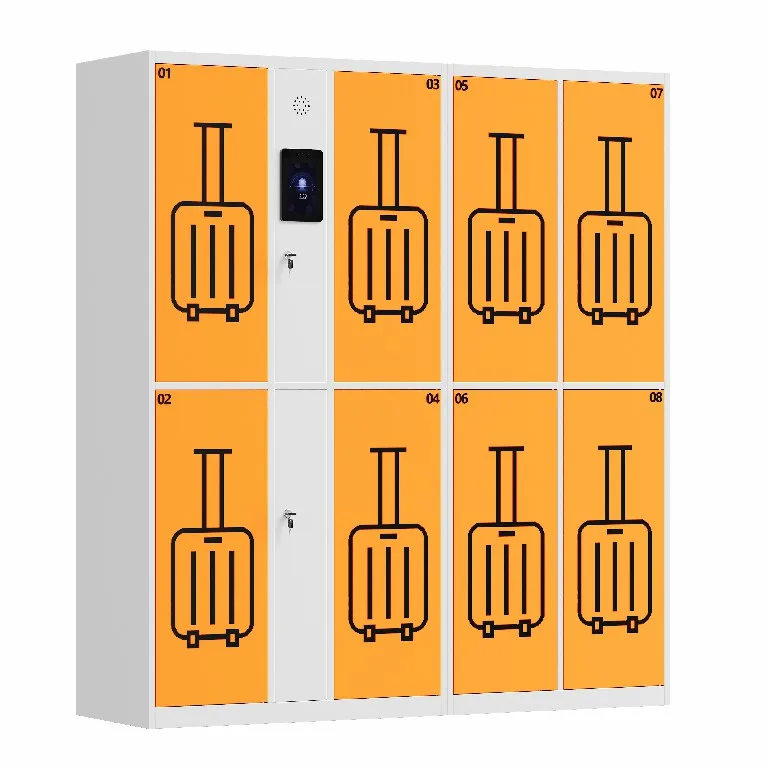

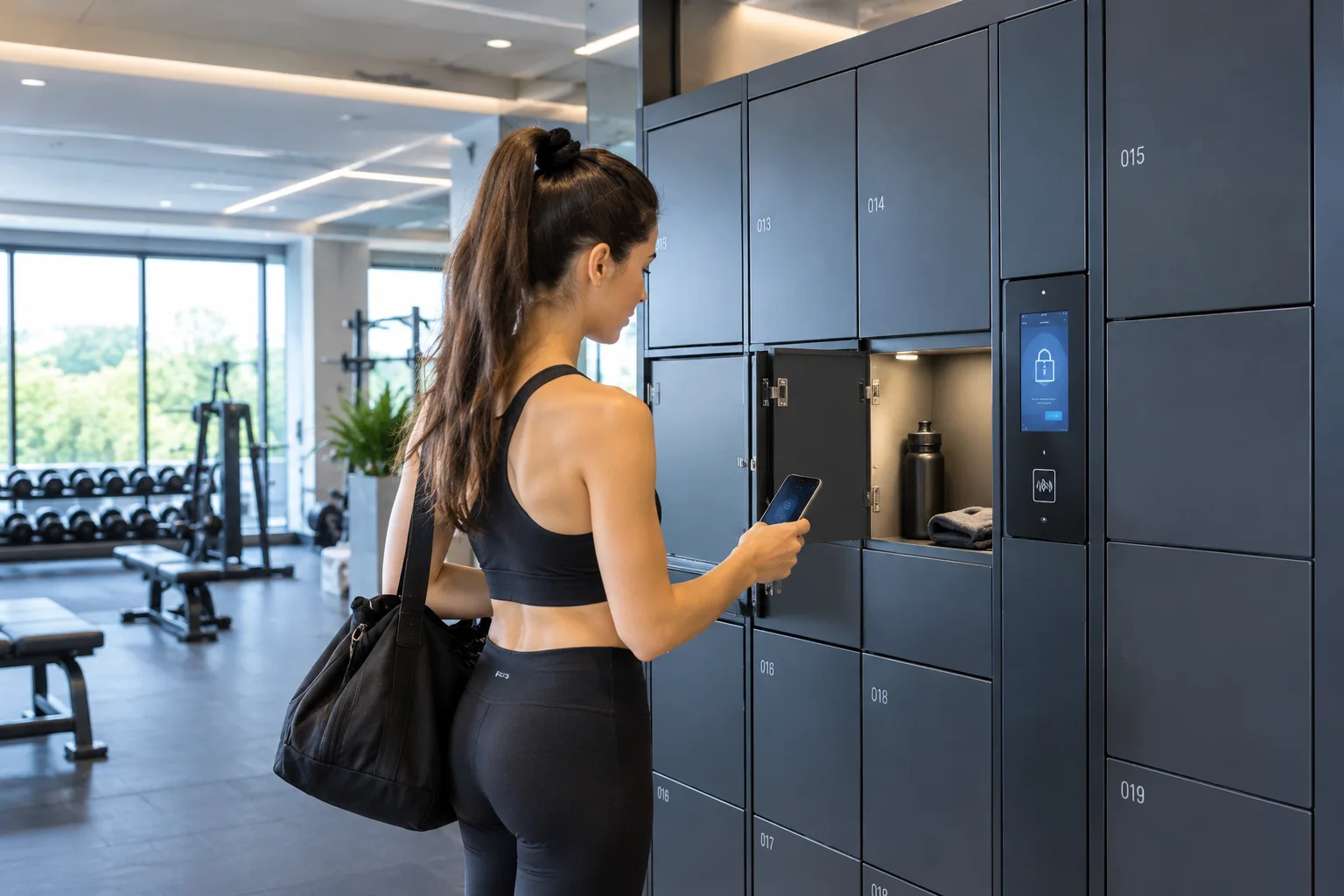
The modern fitness facility has evolved far beyond rows of treadmills and dumbbell racks. Today’s members expect convenience, security and technology woven into every touchpoint of their visit — from check-in to workout to post-session recovery. Smart lockers for gyms are at the centre of this shift, replacing outdated keyed and padlock systems with digital, remotely managed storage that elevates the member experience while reducing operational burden.
From 24/7 access gyms and boutique studios to large leisure centres, hotel fitness centres and corporate gyms, smart locker systems are rapidly becoming the standard rather than the upgrade. This guide covers what smart gym lockers are, how they work, the seven key benefits they deliver, access method options, integration with membership systems, implementation best practices, ROI analysis and a ready-to-use procurement checklist — everything a gym operator or facility manager needs to specify the right system.
What Are Smart Gym Lockers?
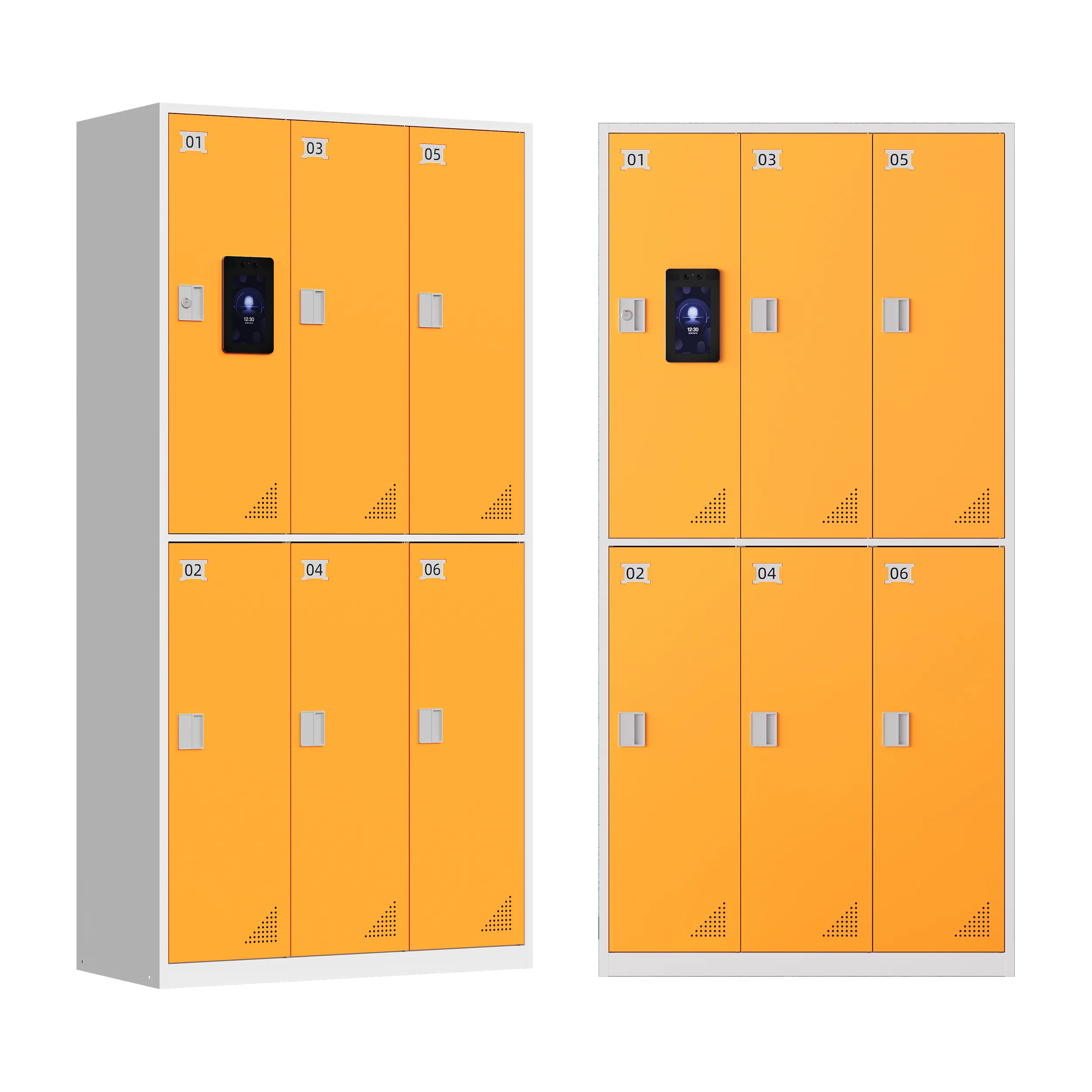
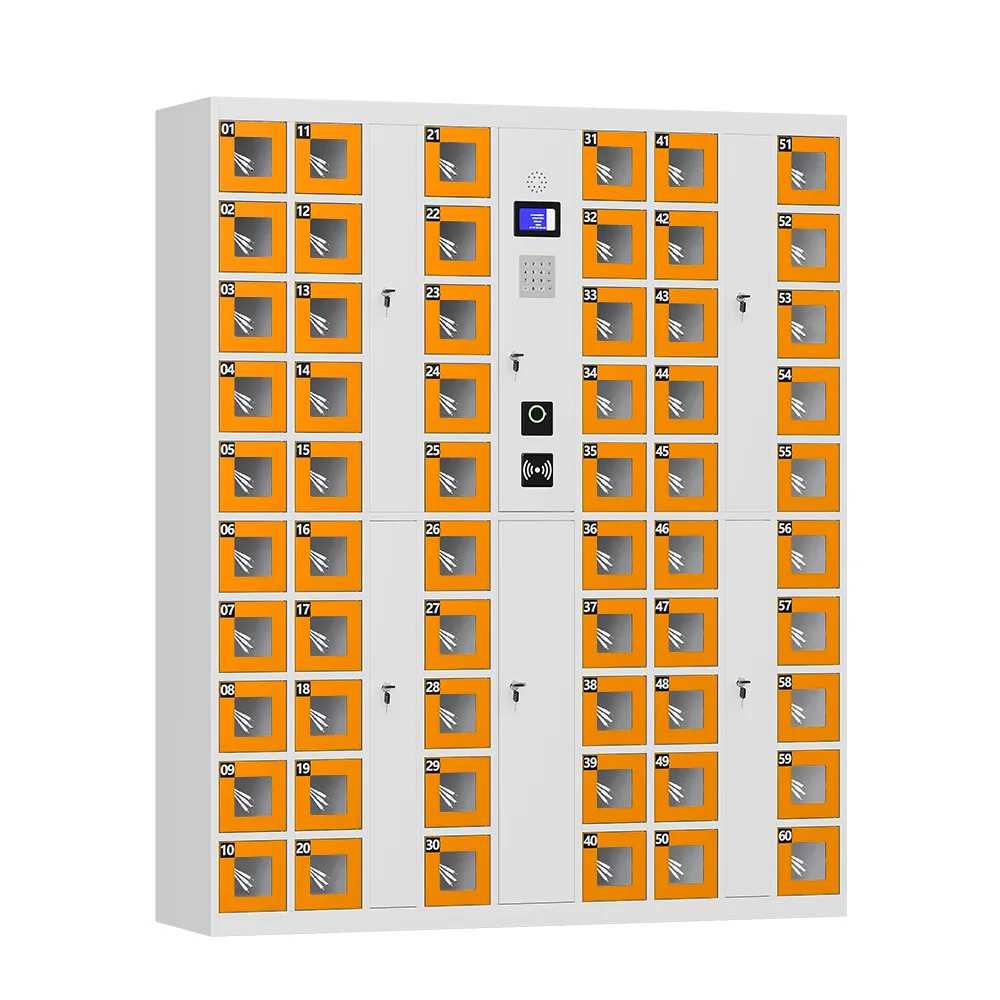
Smart gym lockers are electronically controlled storage compartments that replace physical keys and manual padlocks with digital authentication. Members access their assigned or available locker using a PIN code, RFID wristband or card, mobile app, QR code or biometric verification — no key to carry, no padlock to remember.
Behind the user-facing interface, a cloud-based management platform gives gym operators complete visibility and control: real-time locker status monitoring, remote assignment, access permission management, usage analytics and remote troubleshooting. The system automatically resets lockers after each use, ensures compartments are not permanently claimed, and generates audit logs for every access event.
The result is a storage infrastructure that is more secure, more adaptable and dramatically easier to manage than traditional mechanical lockers — and one that scales from a 20-bay boutique studio to a 500-bay multi-site gym chain.
Why Traditional Gym Lockers No Longer Meet Member Expectations
Mechanical lockers have been a gym staple for decades, but they create persistent friction that affects both members and staff. In a competitive fitness market where member retention depends on experience, these pain points are no longer acceptable:
- Lost or broken keys requiring frequent cutting, replacement and locksmith call-outs
- Members forgetting padlocks or leaving them attached, blocking locker availability for the next user
- Theft and unauthorised access — shared keys and flimsy padlocks offer minimal security for phones, wallets and car keys
- Zero visibility into which lockers are in use, abandoned or malfunctioning
- Constant staff intervention to resolve lockouts, cut padlocks and reassign compartments
- Lockers being permanently claimed by members who rarely visit, wasting valuable floor space
- No audit trail when items go missing, creating liability and member disputes
In 24/7 or extended-hours gyms, these problems compound quickly — there is no staff on hand to resolve a midnight lockout, and a single stuck locker can sit unusable for days. Smart lockers eliminate every one of these issues by digitising access and centralising control.
Seven Key Benefits of Smart Lockers for Gyms
1. Frictionless Member Experience
Convenience is the single biggest driver of gym member satisfaction. Smart lockers remove friction from the moment a member walks in: no key to collect, no padlock to buy, no combination to memorise. A tap of a wristband or a quick PIN entry opens a clean, available locker in seconds. For premium gyms and boutique studios, this technology reinforces a modern, high-quality brand identity that members are willing to pay more for.
2. Bank-Grade Security for Valuables
Gym members store phones, wallets, car keys, jewellery and laptops — items they care about. Smart lockers deliver a higher security standard by eliminating shared or copied keys, recording every access event for audit purposes, automatically resetting compartments after use and preventing permanent claims. If an issue arises, staff can identify exactly who accessed which locker and when, and remotely open a compartment without forced entry or bolt cutters.
3. Flexible Allocation Modes
One of the biggest advantages of smart lockers is operational flexibility. A single system can support multiple allocation modes simultaneously:
- Free-use (first-come, first-served) for casual and drop-in visitors
- Assigned or dedicated lockers for premium, corporate or long-term members
- Time-limited access that automatically releases lockers after a set period, preventing all-day holds
- Day-use lockers and long-term lockers coexisting in the same bank
- Zoned allocation — e.g., ground-floor lockers for pool users, upper-floor for gym members
This flexibility maximises locker availability and lets gyms adapt as membership mixes and usage patterns change.
4. Lower Operational Costs
While smart lockers require an upfront investment, they typically deliver a positive return within 12–24 months. Savings come from eliminated key replacement costs, reduced physical maintenance, fewer staff hours spent resolving locker issues, and lower theft-related liability. Front-desk staff can focus on member service instead of cutting padlocks, while facilities teams spend less time on repairs and replacements. For multi-site operators, centralised management dramatically reduces the cost of overseeing storage across locations.
5. Built for 24/7 and Unstaffed Facilities
The explosive growth of 24/7 gyms and unstaffed fitness studios has made smart lockers essential. Because access and resets are fully automated, members can store and retrieve belongings safely at any hour — 2 a.m. workout, 5 a.m. swim, weekend class — without any staff present. Operators monitor usage remotely, receive alerts for malfunctions or forced-entry attempts, and ensure lockers remain available and secure even outside staffed hours.
6. Data-Driven Operational Insights
Smart lockers generate valuable usage data that most operators never had with mechanical systems. Cloud dashboards reveal:
- Peak locker demand times (e.g., 6–8 a.m. and 5–7 p.m. on weekdays)
- Under-utilised locker banks or zones that could be repurposed
- Average dwell time (how long members keep a locker per visit)
- The correlation between membership growth and storage capacity needs
- Malfunction or stuck-locker rates by locker bank or model
These insights inform space planning, staffing schedules and future expansion — helping gyms avoid costly over-provisioning or frustrating shortages.
7. Modern Aesthetic and Space Optimisation
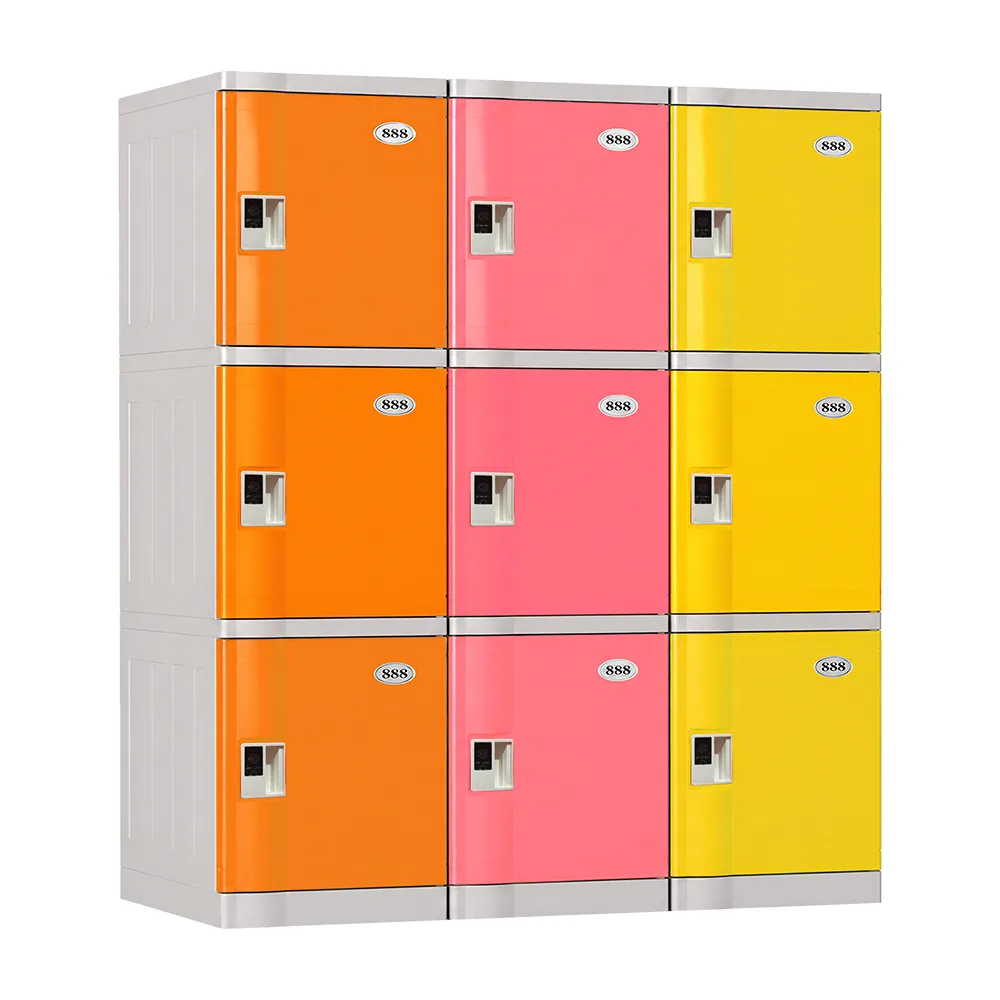
Smart lockers are not just functional — they are a design element. Available in a range of sizes, finishes, colours and configurations, they integrate seamlessly into changing rooms, open gym floors, corridors, reception areas or wellness zones. Slim-profile models reduce the footprint per compartment, while sloped tops and seamless surfaces minimise clutter and simplify cleaning. Many forward-thinking gyms now use smart lockers as part of a broader strategy to reduce visual clutter, encourage flexible movement through the space, and support hybrid uses such as co-working or recovery areas.
Smart Locker Access Methods for Gyms
Different gym environments favour different authentication methods. The best systems support multiple methods simultaneously, so you can match the credential to the user group:
| Метод приступа | Најбоље за | Pros | Considerations |
| ПИН код | Casual visitors, drop-ins, budget gyms | No hardware needed, low cost, easy setup | Members may forget codes; shoulder-surfing risk |
| RFID Wristband / Card | Regular members, 24/7 gyms | Fast tap access, durable, integrates with membership cards | Requires issuing hardware; lost wristband replacement |
| Mobile App / QR Code | Tech-savvy members, premium studios | No physical credential, contactless, rich features | Requires smartphone; app onboarding needed |
| Biometric (Fingerprint / Face) | High-end clubs, secure facilities | Highest security, no credential to lose | Higher cost; privacy concerns for some members |
| Mixed Mode (PIN + RFID) | Multi-user gyms with diverse membership | Flexible — members choose their preferred method | Slightly more complex setup and management |
Integrating Smart Lockers with Gym Management Systems
The full value of smart lockers is unlocked when they integrate with your existing gym management software. Key integration capabilities to look for include:
- Membership system sync — active members automatically gain locker access; expired or frozen members lose it
- Access control integration — a single RFID card or wristband opens both the gym door and the locker
- Billing integration — premium locker rental added to monthly membership dues automatically
- API access — connect locker data to your BI dashboard, CRM or custom reporting tools
- Single sign-on (SSO) — staff use one set of credentials for gym management and locker admin
For multi-site chains, centralised integration means a member can use their locker credential at any location — a powerful retention feature for travellers and commuters.
Which Gym Types Benefit Most from Smart Lockers?
Smart lockers are highly scalable and suitable for virtually every fitness facility type. The table below outlines the primary use case and recommended configuration for each:
| Facility Type | Primary Use Case | Recommended Configuration |
| 24/7 Access Gyms | Unstaffed round-the-clock member storage | RFID wristband + PIN, remote monitoring, auto-reset |
| Boutique Studios | Premium brand experience, small footprint | Slim-profile, custom colours, mobile app access |
| Large Health Clubs | High-volume mixed membership | Zoned allocation, mixed access modes, data analytics |
| Leisure Centres | Multi-activity (gym, pool, sports hall) | Water-resistant ABS or steel, zone-specific locker banks |
| Hotel Fitness Centres | Guest convenience, temporary use | Time-limited free-use, PIN or QR, hotel key integration |
| Corporate / University Gyms | Employee / student storage, peak usage | Assigned + free-use mix, SSO integration, bulk provisioning |
How to Choose the Right Smart Locker System for Your Gym
Use this eight-point checklist when evaluating suppliers and specifications:
- Access methods — does the system support PIN, RFID, mobile app and biometric options, or are you locked into one?
- Membership system integration — is there an API or pre-built integration with your gym management software?
- Ease of use — can a first-time member open a locker in under 10 seconds without staff assistance?
- Management and reporting — does the dashboard provide real-time status, usage analytics, audit logs and exportable reports?
- Durability and finish — is the cabinet steel or ABS? Does it withstand daily disinfectant cleaning and humid changing-room environments?
- Scalability — can you add locker banks or new sites to the same management platform without re-platforming?
- Power and connectivity — does each unit require hardwired Ethernet, or does it support Wi-Fi? What is the backup for network outages?
- Supplier support — what is the warranty term, response time for technical support, and availability of spare parts?
Implementation Best Practices
A successful smart locker deployment depends as much on planning as on the hardware itself. Follow these best practices to avoid common pitfalls:
- Conduct a usage audit before ordering — observe peak times, count current locker demand, survey members on pain points
- Size for peak demand, not average — add a 15–20% buffer for new member growth and seasonal spikes
- Place locker banks where members naturally need them — near changing rooms, entrance/exit, pool area, not in hidden corridors
- Ensure adequate power and network connectivity at the installation site before delivery
- Pilot with one zone or one location first, gather member feedback, then roll out across the full estate
- Create clear onboarding signage and a 30-second member tutorial — even intuitive systems benefit from guidance
- Train front-desk staff on basic troubleshooting and remote unlock procedures
- Establish a clear policy for abandoned items, long-term holds and locker misuse
ROI and Payback Period Analysis
Gym operators often ask whether smart lockers justify the upfront cost. The answer depends on your current cost structure, but the following framework helps estimate payback:
Typical cost savings:
- Eliminated key and padlock replacement costs (average $2–5 per key, 50–200 replacements per year for a mid-size gym)
- Reduced staff hours on locker issues (estimate 2–5 hours per week at average wage rate)
- Lower theft-related liability and member compensation claims
- Reduced maintenance and repair calls for broken locks and jammed doors
Revenue-enhancement opportunities:
- Premium locker rental as a paid membership add-on ($5–15/month per member)
- Higher member retention due to improved experience (even a 2% retention lift is significant)
- Ability to charge more for premium membership tiers that include dedicated lockers
As a rough benchmark, a mid-size gym (100–200 lockers) typically achieves payback within 12–24 months through cost savings alone. If premium locker rental is introduced, payback can shorten to 6–12 months.
Често постављана питања
Can smart lockers survive humid pool and changing-room environments?
Yes. Look for systems with powder-coated cold-rolled steel or ABS plastic construction, sealed electronic components, and corrosion-resistant hardware. Avoid cheap thin-gauge steel that will rust in high-humidity areas. For poolside zones, ABS plastic lockers are often the best choice as they are 100% waterproof and rust-proof.
What happens if the network or power goes down?
Quality smart locker systems include offline functionality — lockers can still be opened via PIN or RFID using locally stored credentials, and access events are logged locally then synced when connectivity is restored. Battery backup or manual override keys ensure access is never completely lost. Always confirm offline capability with your supplier before purchasing.
Can existing mechanical lockers be retrofitted with smart locks?
In some cases, yes — electronic retrofit locks exist for certain locker profiles. However, retrofitting is often more expensive and less reliable than replacing the full unit, especially for older lockers with worn hinges or damaged doors. For most gyms, a full replacement delivers better long-term value and a cleaner aesthetic.
How many lockers does my gym need?
A common starting point is 0.5–0.7 lockers per active member for free-use systems, or 1:1 for assigned locker programmes. However, the right number depends on your peak concurrent attendance, member behaviour, facility layout and allocation policy. Always measure peak demand rather than applying a generic ratio.
Are smart lockers hygienic for shared use?
Smart lockers are generally more hygienic than traditional lockers because they are automatically reset between users, preventing long-term personal items and moisture buildup. For maximum hygiene, choose smooth, non-porous surfaces that can be wiped down with disinfectant, and consider models with optional UVC sanitisation modules for high-traffic or healthcare-adjacent facilities.
Can members reserve a locker in advance?
Advanced smart locker systems support reservation via mobile app or web portal — members can book a locker before arriving, guaranteeing availability during peak hours. This is particularly valuable for premium membership tiers and class-based studios where members arrive at predictable times.
Conclusion: From Storage Problem to Member Experience Asset
Smart lockers for gyms are no longer a luxury upgrade — they are foundational infrastructure for any fitness facility serious about member experience, operational efficiency and modern design. By eliminating keys and padlocks, providing bank-grade security, offering flexible allocation, generating actionable data and supporting 24/7 unstaffed operation, they solve problems that mechanical lockers simply cannot address.
The gyms that invest in smart storage now will gain a retention advantage, reduce long-term costs and create a modern environment that members expect. Whether you are refurbishing a single studio, opening a new flagship club or standardising across a multi-site chain, the right smart locker system delivers measurable returns — and becomes an asset rather than an afterthought.
Get a Tailored Smart Locker Solution for Your Gym
Contact our smart locker specialists for a free site assessment and custom configuration based on your gym’s layout, membership size and operational model. We offer factory-direct pricing, OEM/ODM customisation (colours, branding, access methods), CE-certified hardware, cloud management software and global shipping with installation guidance. Reach out via WhatsApp or email to request a product catalog and quotation.