
E-commerce volumes continue to break records every year, yet the final leg of the delivery journey — the last mile — remains the most expensive, inefficient and frustrating part of the process. Missed deliveries, stolen packages, cluttered lobbies and repeated re-delivery attempts cost carriers, property managers and recipients billions of dollars annually. Smart parcel lockers have emerged as the definitive solution to these challenges, offering secure, contactless, 24/7 package storage that benefits every stakeholder in the delivery ecosystem.
This comprehensive guide covers what smart parcel lockers are, how they work end to end, the eight core features that define a quality system, the benefits for property managers, couriers and recipients, deployment scenarios, revenue models, a procurement checklist, implementation best practices and answers to the most common buyer questions. Whether you are a property developer, logistics operator, facilities manager or distributor evaluating parcel locker solutions, this guide provides the framework to specify the right system for your environment.
What Are Smart Parcel Lockers and How Do They Work?
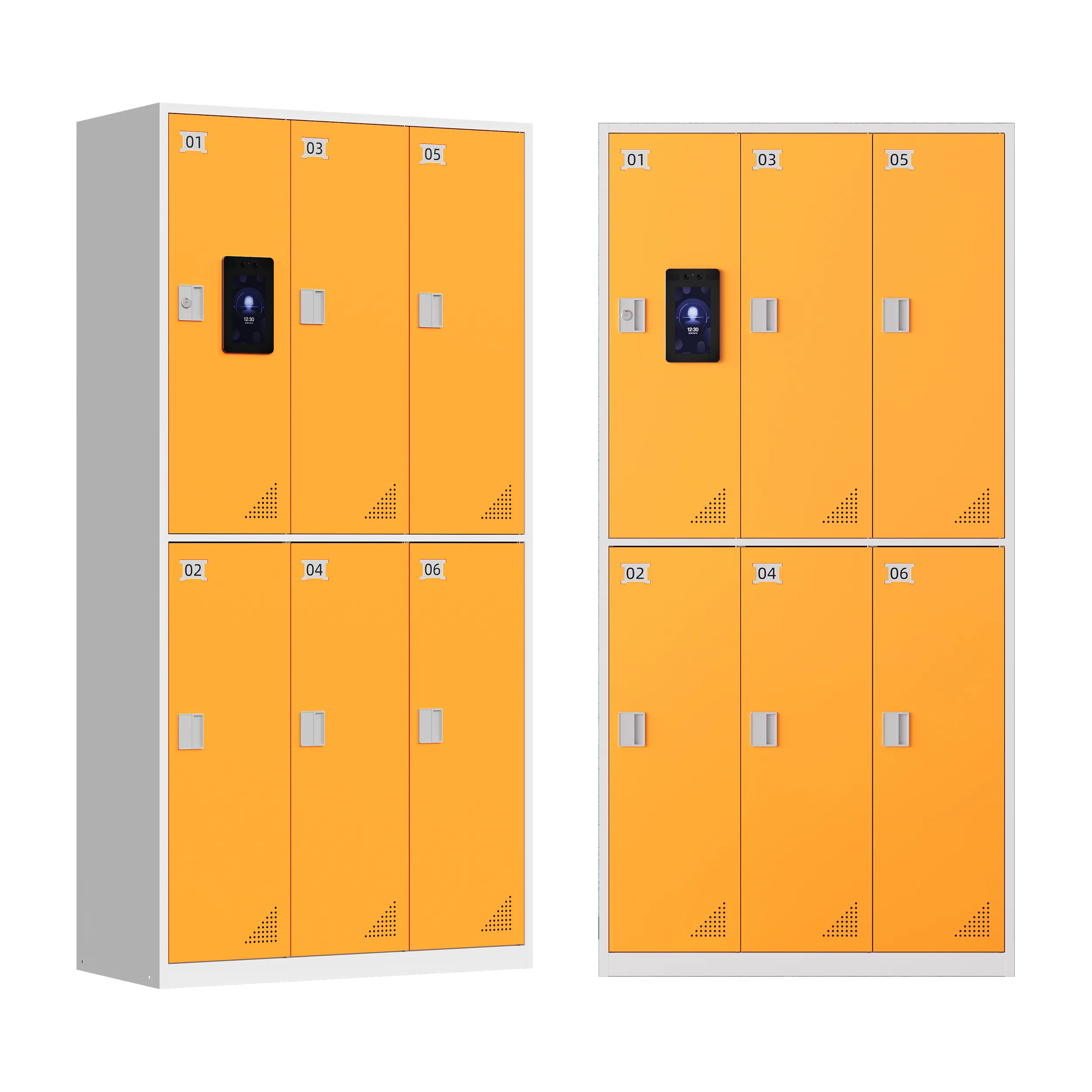
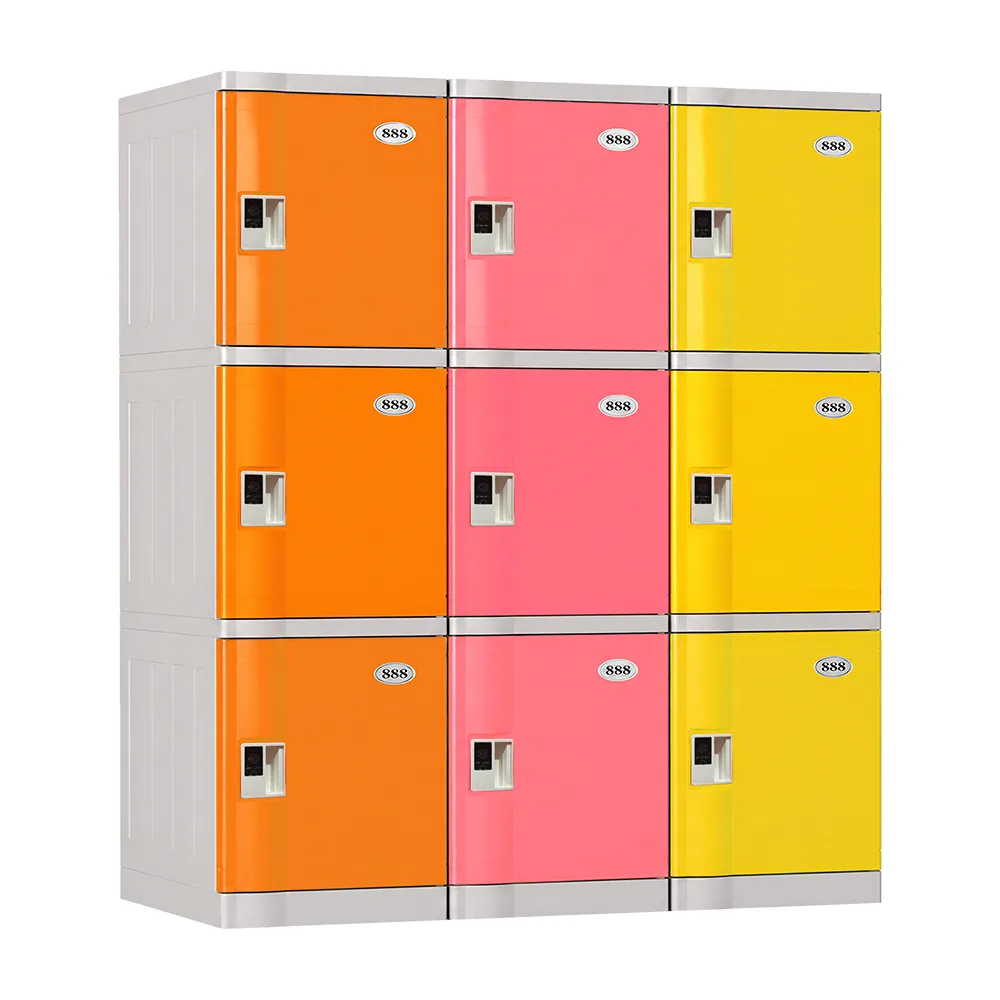
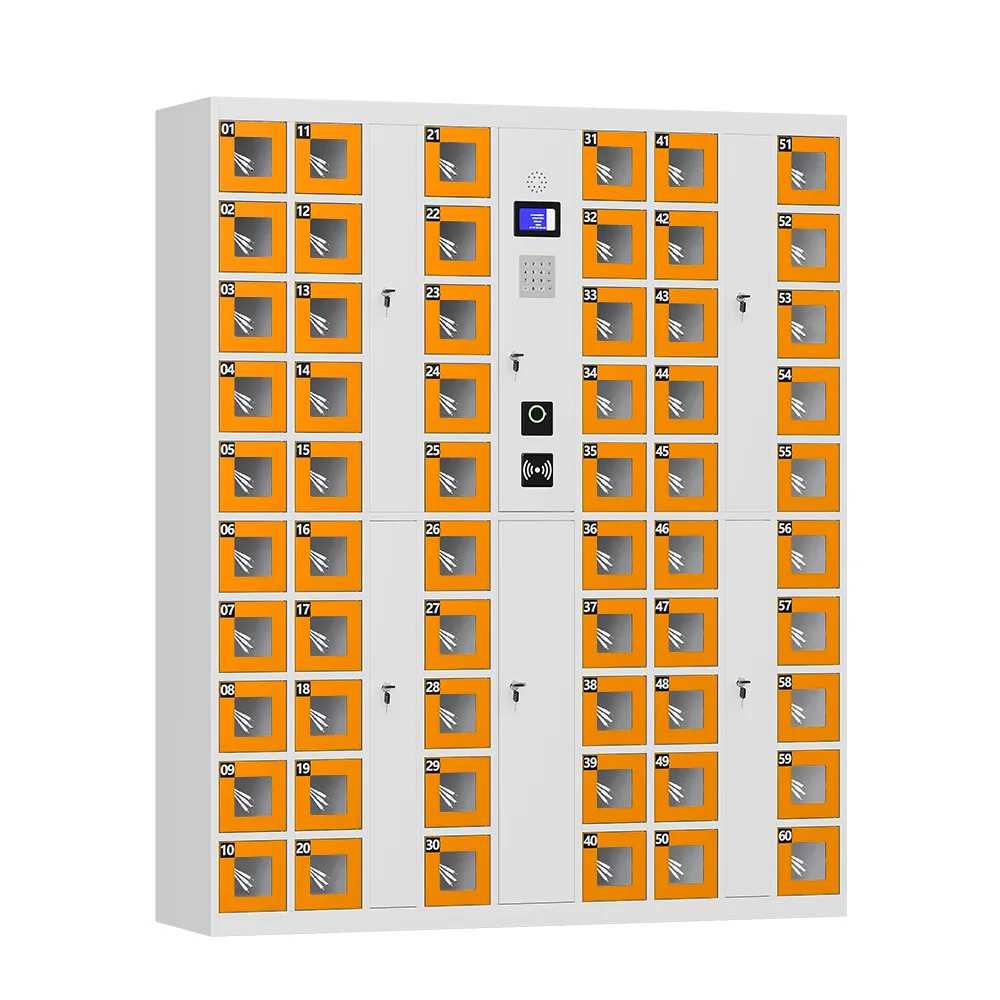
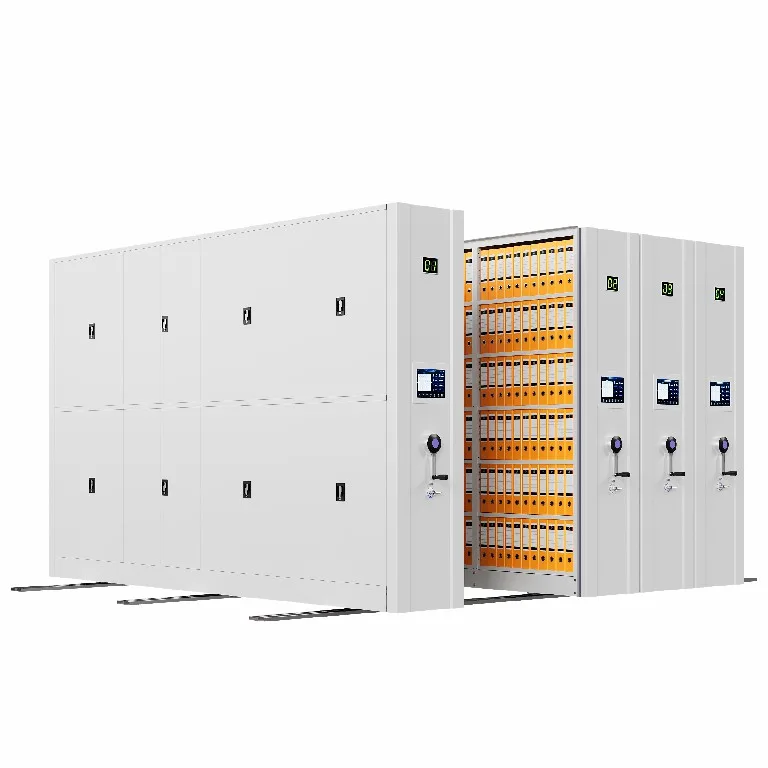
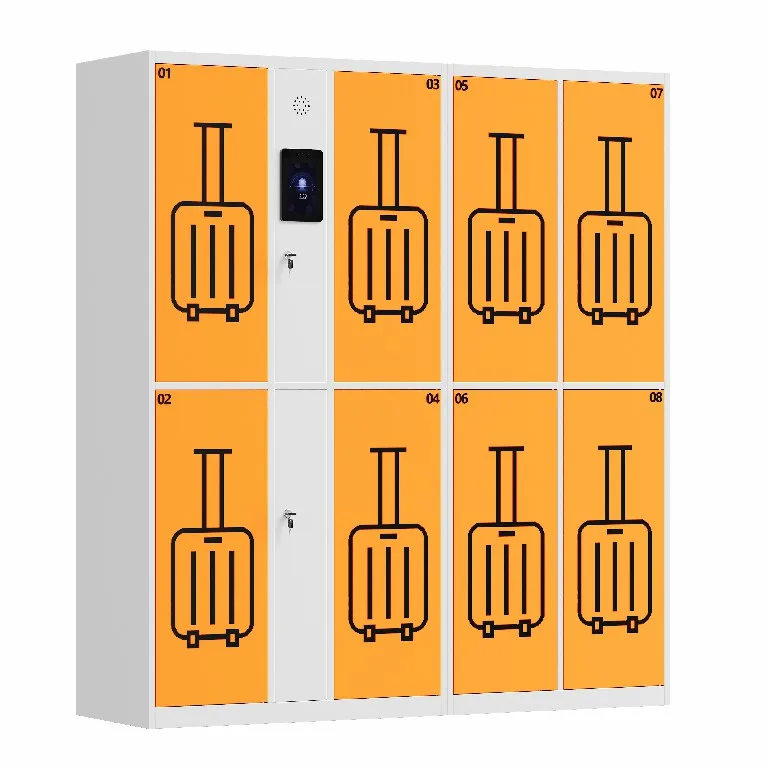
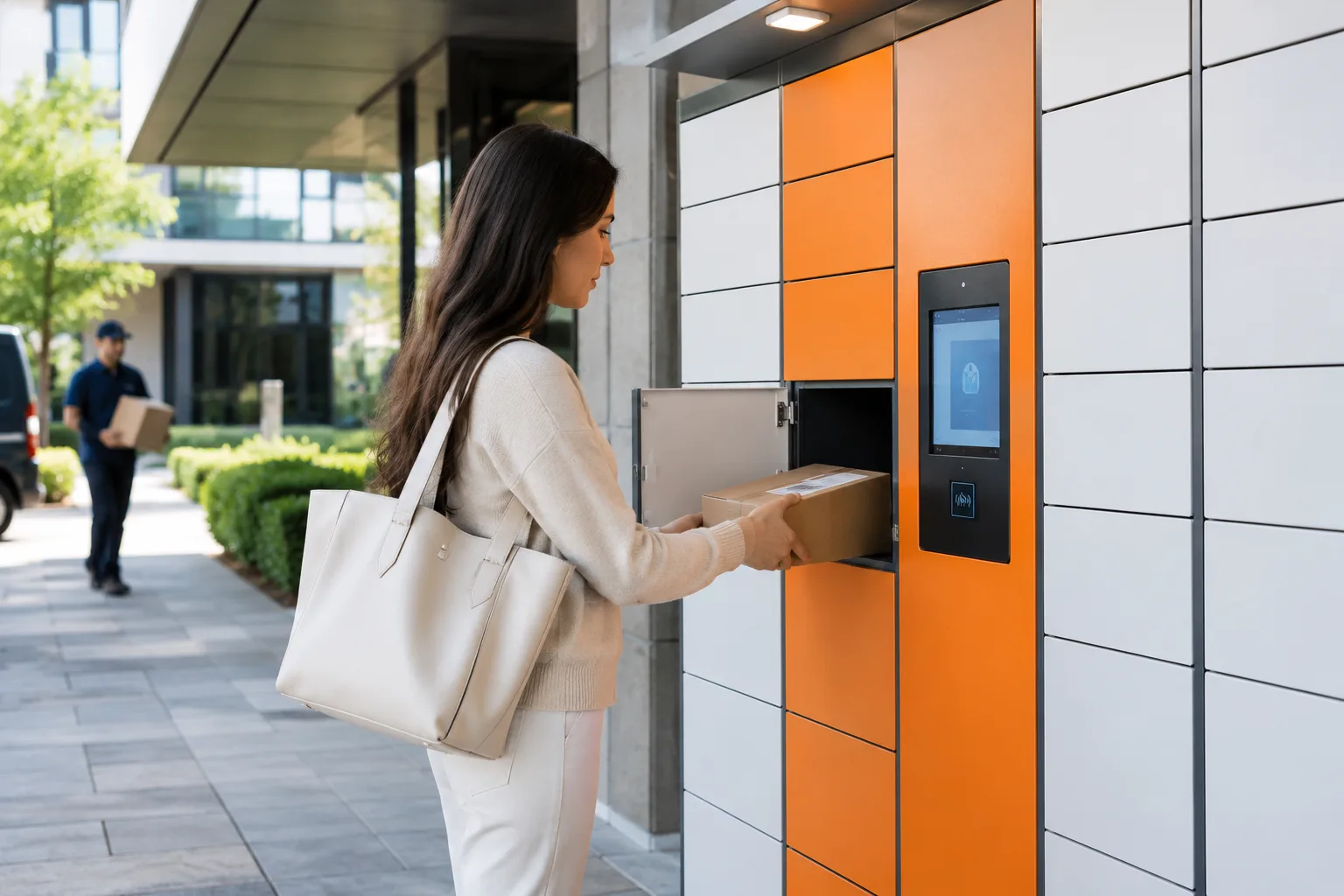
A smart parcel locker is a digitally connected storage bank with individually locked compartments, an integrated touchscreen terminal and cloud-based management software. Unlike traditional mailrooms or concierge desks, the entire delivery and pickup process is automated: couriers deposit packages into available compartments, the system instantly notifies the recipient, and the recipient retrieves their package using a unique code — all without staff intervention.
The system supports compartments in multiple sizes to accommodate everything from small envelopes and padded mailers to shoeboxes and larger parcels. High-quality units are built from cold-rolled steel with powder coating for durability, and outdoor-rated models include weather sealing, rain canopies and corrosion-resistant hardware for year-round exposure. The intelligence behind the locker — remote monitoring, audit logging, automated notifications and integration APIs — is what transforms a metal cabinet into a reliable last-mile delivery infrastructure.
Why Traditional Package Delivery Is Failing
The conventional delivery model — courier knocks, recipient answers, package handed over — was designed for a world where most people were home during the day. That world no longer exists. Today’s reality creates persistent friction at every stage:
- Porch piracy — packages left on doorsteps are stolen in broad daylight, with thieves following delivery vans and grabbing boxes within minutes
- Missed deliveries — recipients at work, in transit or simply unavailable, forcing couriers to attempt re-delivery or return to depot
- Lobby and mailroom clutter — apartment buildings and offices accumulate piles of packages that are hard to track and easy to misplace
- Labor costs — front-desk staff and concierge teams spend hours signing for, sorting and distributing packages instead of serving residents
- Re-delivery expenses — carriers pay twice (or three times) for a single delivery when the first attempt fails
- Customer complaints and disputes — lost or damaged packages lead to refunds, chargebacks and erosion of trust in the delivery process
- Health and hygiene concerns — shared package handling in lobbies and mailrooms raises contamination risks in post-pandemic environments
Smart parcel lockers eliminate every one of these failure points by inserting a secure, automated intermediary between the courier and the recipient — one that never takes a day off, never loses a package and never needs a lunch break.
Eight Core Features of Smart Parcel Locker Systems
1. Secure Compartments in Multiple Sizes
A quality parcel locker bank offers a mix of compartment sizes — small for envelopes and thin packages, medium for shoeboxes and standard parcels, and large for bulkier items. Each compartment features an electronic lock, reinforced door and tamper-resistant construction. The system automatically assigns the smallest compartment that fits the parcel, maximising space utilisation and ensuring large boxes are not wasted on small items.
2. 24/7 Self-Service Access
Recipients can collect their packages at any hour — early morning before work, late at night after a long commute, or on weekends. No staff presence is required, no opening hours to worry about, and no need to coordinate with a concierge. This is particularly valuable for shift workers, night-shift employees and anyone whose schedule does not align with standard delivery windows.
3. Contactless Delivery and Pickup
The entire process is contactless. Couriers scan a barcode or enter a code at the touchscreen, place the package inside and close the door. Recipients scan a QR code or enter a PIN to unlock their compartment. No shared keys, no signatures on shared devices, no physical interaction with staff — reducing hygiene risks while speeding up both drop-off and pickup.
4. Real-Time SMS and App Notifications
The moment a package is deposited and the door closes, the system automatically generates a unique pickup code and sends it to the recipient via SMS, email or mobile app notification. This eliminates the classic failure mode of a package sitting in a locker for days because nobody knew it had arrived. Some systems also send reminder notifications for uncollected packages and overstay alerts.
5. Intuitive Touchscreen Interface
A clear, responsive touchscreen guides both couriers and recipients through every step with visual instructions and multi-language support. The interface should be simple enough that a first-time user can complete a pickup in under 30 seconds without reading a manual. Bright, high-contrast displays ensure readability in both indoor and outdoor environments, including direct sunlight.
6. Multiple Authentication Methods
The best systems support multiple access methods simultaneously — QR codes, PIN codes, mobile apps and RFID cards — so recipients can use whichever method is most convenient. QR codes are ideal for one-time visitor access, PIN codes work as a universal backup, mobile apps offer the richest feature set for regular users, and RFID cards integrate with existing building access credentials.
7. Cloud-Based Remote Management
Operators can monitor every locker in real time from a web-based dashboard — checking compartment occupancy, viewing transaction logs, remotely unlocking compartments for troubleshooting, receiving alerts for malfunctions or forced-entry attempts, and generating usage reports. For multi-site deployments, a single dashboard provides oversight across all locations, dramatically reducing the cost of on-site inspections and manual maintenance.
8. Courier Platform and E-Commerce Integration
A parcel locker that only works with one courier service is a liability, not an asset. Quality systems support label recognition and QR code scanning compatible with major courier platforms, so couriers from different delivery services can all use the same locker bank without separate onboarding. Open APIs allow integration with e-commerce platforms, property management systems and logistics software, enabling automated workflows and data sharing.
How Smart Parcel Lockers Work: Step-by-Step Process
Understanding the end-to-end workflow helps buyers evaluate whether a system is genuinely designed for real-world deployment or just a concept product. Here is the complete process from courier arrival to recipient pickup:
- Courier registration — First-time couriers register directly at the touchscreen, complete a brief approval step, and gain ongoing access to deposit parcels. This creates a record of authorised couriers without manual sign-up by property staff.
- Parcel drop-off — The courier logs in, scans the parcel label or QR code (or enters details manually), and the system automatically assigns the smallest suitable compartment. The courier places the parcel inside and closes the door, completing the drop-off in under 30 seconds.
- Recipient notification — The instant the door closes, the system generates a unique pickup code and sends it via SMS, email or app notification. The compartment is now securely locked and associated with that specific recipient.
- Recipient pickup — The recipient arrives at any time, enters their code or scans their QR code at the touchscreen, and the correct compartment door unlocks automatically. They retrieve the package and close the door — no app download, no account creation, no staff interaction required.
- Automatic reset — The system immediately marks the compartment as available, resets the lock, and updates the dashboard. The locker is ready for the next delivery without any manual intervention.
This entire cycle — from courier arrival to compartment reset — typically takes less than two minutes of active operation, with the system handling authentication, allocation, notification and logging automatically.
Benefits for Property Managers and Building Owners
For residential buildings, office towers and mixed-use developments, smart parcel lockers deliver measurable returns across operational, financial and tenant-satisfaction dimensions:
- Eliminated package theft — Secure compartments with audit logs eliminate porch piracy and lobby theft, removing a major source of tenant complaints and liability claims
- Reduced labor costs — Front-desk and concierge staff no longer spend hours signing for, sorting, storing and distributing packages, freeing them for higher-value resident services
- New revenue streams — Locker rental fees, overstay charges for uncollected packages, and integrated advertising screens create recurring income that can offset or exceed the system’s cost
- Improved tenant satisfaction and retention — A reliable, convenient package service is a valued amenity that differentiates a property in a competitive rental market and reduces turnover
- Cleaner, more organised lobbies — No more piles of packages cluttering reception areas, mailrooms or concierge desks
- Enhanced property value — Smart building amenities, including automated parcel lockers, increase perceived property value and appeal to tech-savvy renters and buyers
- Scalable across portfolios — Multi-site operators can manage all locker banks from a single dashboard, standardising operations and reducing per-site management overhead
Benefits for Courier and Delivery Companies
Carriers and last-mile delivery operators are often overlooked stakeholders in parcel locker deployments, but the benefits for them are substantial:
- Higher first-attempt delivery success — Couriers can deposit packages at any time without waiting for a recipient, dramatically reducing failed delivery attempts
- Faster route completion — A single locker bank allows a courier to drop off 10–20 packages in minutes, compared with 10–20 individual doorstop deliveries that can take over an hour
- Reduced re-delivery costs — Eliminating second and third delivery attempts cuts fuel costs, driver hours and vehicle wear significantly
- Lower loss and damage claims — Packages stored in secure, weather-protected compartments are far less likely to be lost, stolen or damaged than those left on doorsteps
- Proof of delivery — Every transaction is logged with timestamp, courier ID and compartment number, providing irrefutable delivery confirmation and reducing dispute resolution costs
- Driver safety — Couriers spend less time in unfamiliar neighbourhoods, carrying packages to doors and interacting with potentially hostile dogs or residents
Benefits for Recipients
At the end of the chain, the recipient experience is what drives adoption and satisfaction. Smart parcel lockers transform the anxiety of waiting for a delivery into the confidence of knowing your package is safe and accessible:
- 24/7 pickup on your schedule — No rushing home to meet a delivery, no waiting for a re-delivery window, no coordinating with neighbours to accept packages
- Peace of mind — Packages are stored in locked, monitored compartments, not exposed on a doorstep or piled in a lobby
- Contactless convenience — Scan a code or enter a PIN, grab your package, and go — no interaction with staff, no shared pens or signature pads
- Instant notifications — You know the moment your package arrives, with a clear pickup code and location instructions
- No missed deliveries — Even if you are at work, travelling or simply unavailable, your package waits securely for you
- Privacy — No need to share your apartment number or specific address with couriers; the locker location is sufficient for delivery
Where Smart Parcel Lockers Work Best
Parcel lockers are highly versatile and can be deployed in virtually any location with reliable power and network connectivity. The table below outlines the primary deployment scenarios and their specific requirements:
| Deployment Scenario | Key Requirements | Typical Configuration |
| Residential Apartments & Condos | High parcel volume, mixed compartment sizes, lobby or entrance placement | Medium-to-large banks (40–100+ compartments), indoor, 24/7 access |
| Office Towers & Business Parks | Business-hours peak, document and small-parcel focus, staff access control | Medium banks (20–60 compartments), indoor, RFID integration with employee badges |
| University Campuses | Student population, high volume during semester, mixed sizes | Large banks (60–200 compartments), multiple locations near dorms and student centers |
| Transport Hubs (Stations, Airports) | High foot traffic, outdoor exposure, 24/7 operation | Outdoor-rated steel with rain canopy, large mixed-size banks, payment integration |
| Retail & Supermarkets | Click-and-collect, online order pickup, customer convenience | Medium banks near entrance or parking, indoor or covered outdoor |
| Co-Working & Shared Offices | Member packages, business deliveries, flexible access | Small-to-medium banks (12–40 compartments), indoor, app-based access |
Outdoor vs. Indoor Deployments
The choice between outdoor and indoor placement significantly affects hardware specifications. Indoor units can use standard steel construction and rely on building Wi-Fi or Ethernet. Outdoor units require weather-sealed electronics, corrosion-resistant powder coating, optional rain canopies and lightboxes, and may need cellular connectivity if wired network access is unavailable. For outdoor deployments, always confirm the unit’s IP rating, temperature operating range and UV resistance — a locker built for indoor use will fail quickly when exposed to rain, snow and direct sunlight.
Revenue Models for Parcel Locker Operators
Smart parcel lockers can generate revenue beyond simply reducing costs. Operators have several monetisation options, which can be combined to maximise return on investment:
- Courier usage fees — Charge delivery companies per parcel or per month for access to the locker network, similar to how PUDO points operate
- Recipient rental fees — Offer premium or guaranteed locker access as a paid amenity, particularly in luxury residential buildings
- Overstay charges — Apply a daily fee for packages left uncollected beyond a free period (e.g., 48 hours), incentivising timely pickup and freeing compartments
- Advertising revenue — Integrated display screens can show local advertising, property announcements or partner promotions during idle time, creating a passive income stream
- Value-added services — Offer paid services such as package forwarding, returns processing, dry-cleaning drop-off or document printing at the locker terminal
The most successful deployments combine two or three of these models. For example, a residential building might charge couriers a per-parcel fee, apply overstay charges for recipients, and use the display screen for local advertising — creating three revenue streams from a single hardware investment.
Key Considerations When Choosing a Parcel Locker System
Use this ten-point checklist when evaluating suppliers and comparing specifications:
- Cabinet material and build quality — Confirm cold-rolled steel construction with anti-corrosion powder coating; check door thickness, hinge quality and tamper-resistant fasteners
- Compartment size mix — Ensure the configuration includes small, medium and large compartments to handle your actual parcel volume profile, not just one-size-fits-all
- Access methods — Verify support for QR codes, PIN codes, mobile apps and RFID cards; avoid systems locked into a single authentication method
- Management software — Evaluate the cloud dashboard for real-time monitoring, remote unlock, audit logs, usage reporting and multi-site management capability
- Integration and APIs — Confirm open API support for courier platforms, property management systems and e-commerce integration; ask for API documentation and integration case studies
- Notification system — Check support for SMS, email and app notifications, and verify whether SMS gateway costs are included or billed separately
- Outdoor protection — For outdoor deployments, confirm IP rating, operating temperature range, UV resistance and availability of rain canopies and lightboxes
- Installation and connectivity — Determine power requirements, network options (Ethernet, Wi-Fi, cellular) and whether pre-assembled units reduce on-site installation time
- Customisation and OEM/ODM — Check whether compartment count, door layout, colours, branding and software interfaces can be customised to your project requirements
- Support and after-sales — Evaluate warranty terms, technical support response times, spare parts availability and whether the supplier offers installation guidance and training
Implementation Best Practices
A successful parcel locker deployment depends as much on planning and execution as on the hardware itself. Follow these best practices to avoid common pitfalls:
- Conduct a parcel volume audit before ordering — track daily deliveries for 2–4 weeks to determine peak volume, parcel size distribution and busiest times
- Size for peak demand, not average — add a 20–30% buffer for seasonal spikes (e.g., holiday shopping, back-to-school) and future growth
- Place lockers where users naturally go — near building entrances, lobbies, mailrooms or parking areas, not in hidden corridors or back rooms
- Ensure adequate power and network connectivity at the installation site before delivery — outdoor units may need trenching for power and data cables
- Pilot with one location first — gather usage data and user feedback before rolling out across a portfolio or campus
- Provide clear onboarding signage — a simple step-by-step guide near the locker helps first-time users complete pickup without assistance
- Notify residents and tenants in advance — communicate the launch date, how the system works and what to do if they encounter issues
- Establish a maintenance schedule — regular cleaning, software updates and hardware inspections ensure long-term reliability and user satisfaction
- Monitor usage data continuously — occupancy rates, peak times and overstay patterns inform future expansion and compartment mix adjustments
Часто задаваемые вопросы
Do couriers need a special app or account to use the locker?
No separate app is required. Couriers register directly through the locker’s touchscreen, complete a brief approval step, and then have ongoing access to log and store parcels. The system supports label recognition and QR code scanning compatible with major courier platforms, so couriers from different delivery services can use the same locker bank.
How does the recipient know their package has arrived?
The system automatically sends a unique pickup code via SMS, email or mobile app notification the moment a parcel is stored and the compartment door closes. The recipient then enters the code or scans the QR code at the touchscreen to unlock the correct compartment. Some systems also send reminder notifications for packages left uncollected beyond a set period.
What happens if the network or power goes down?
Quality systems include offline functionality — lockers can still be opened using locally stored PIN codes or RFID credentials, and access events are logged locally then synced when connectivity is restored. Battery backup or manual override keys ensure access is never completely lost. Always confirm offline capability and backup options with your supplier before purchasing.
Can the locker generate revenue beyond handling deliveries?
Yes. Integrated display screens can show advertising content during idle periods, creating a secondary revenue stream. Additional monetisation options include courier usage fees, recipient overstay charges, premium locker rental and value-added services such as returns processing. Many operators find that combined revenue streams offset or exceed the system’s operating cost within 12–24 months.
Is the locker compatible with multiple courier services, or just one?
A quality parcel locker is designed to be courier-agnostic. It supports label recognition and QR code scanning compatible with major courier platforms, so couriers from different delivery services — national carriers, regional operators and even local same-day delivery services — can all use the same locker bank without separate onboarding or proprietary hardware.
How many compartments do I need for my building?
A common starting point is 0.3–0.5 compartments per residential unit, or 1 compartment per 3–5 office employees. However, the right number depends on your actual delivery volume, parcel size distribution, peak patterns and whether you offer 24/7 access. Always measure peak demand rather than applying a generic ratio, and add a 20–30% buffer for growth and seasonal spikes.
Conclusion: From Metal Cabinet to Last-Mile Infrastructure
Smart parcel lockers have evolved from a futuristic concept to essential infrastructure for modern delivery. The value is not just in the steel cabinet — it is in the complete system running behind it: fast courier registration, broad courier-platform compatibility, instant notifications, a pickup process simple enough for first-time users, durable weatherproof construction and cloud-based remote management tools. Together, these elements transform package delivery from a source of frustration and cost into a streamlined, secure and revenue-generating service.
For property managers, the result is cleaner lobbies, lower labor costs, higher tenant satisfaction and new revenue streams. For couriers, it means fewer failed deliveries, faster routes and lower loss claims. For recipients, it means 24/7 access, peace of mind and contactless convenience. As e-commerce volumes continue to grow, smart parcel lockers are no longer an optional amenity — they are a necessary investment in the future of last-mile delivery.
Get a Custom Parcel Locker Configuration for Your Project
Contact our smart locker specialists for a free site assessment and custom configuration based on your delivery volume, parcel size profile, deployment location and branding requirements. We offer factory-direct pricing, OEM/ODM customisation (compartment count, colours, logo, software interface), outdoor-rated steel construction, cloud management software, open API integration and global shipping with installation guidance. Reach out via WhatsApp or email to request a product catalog and project quotation.