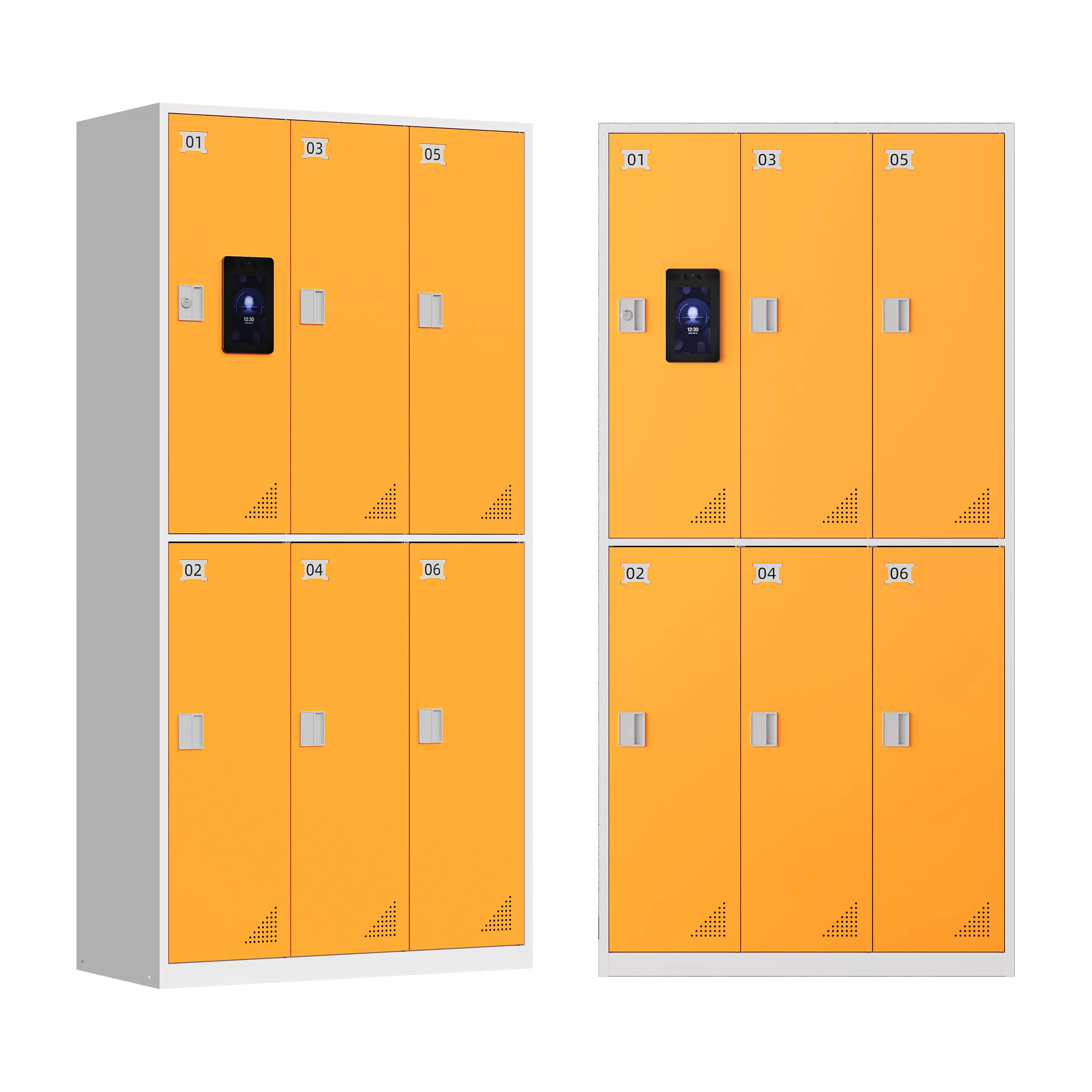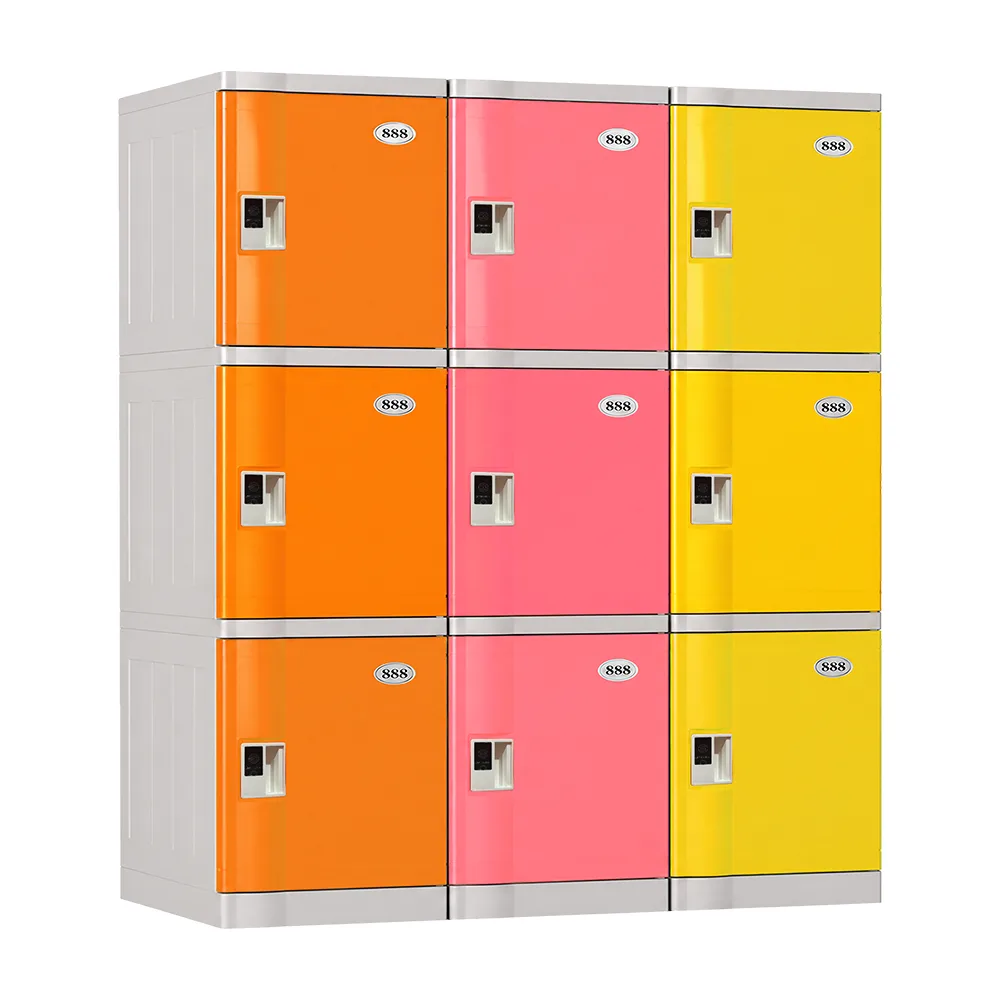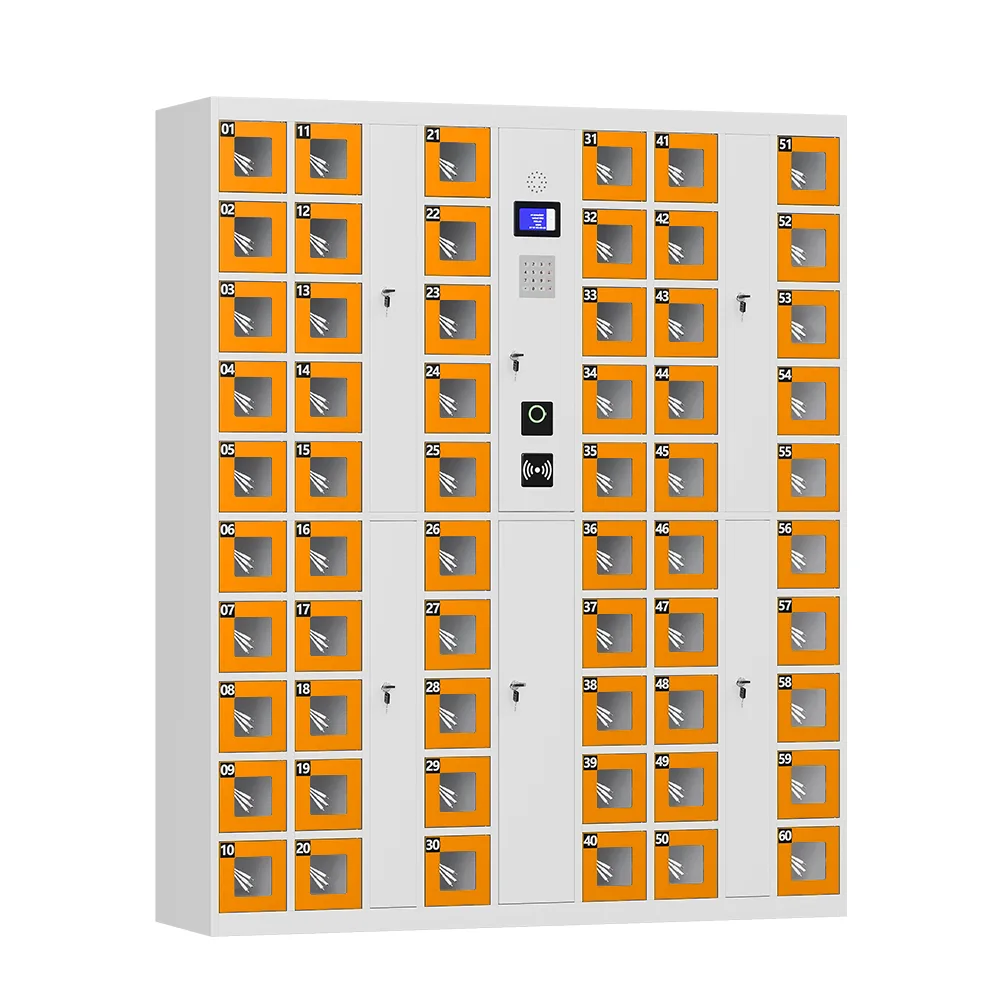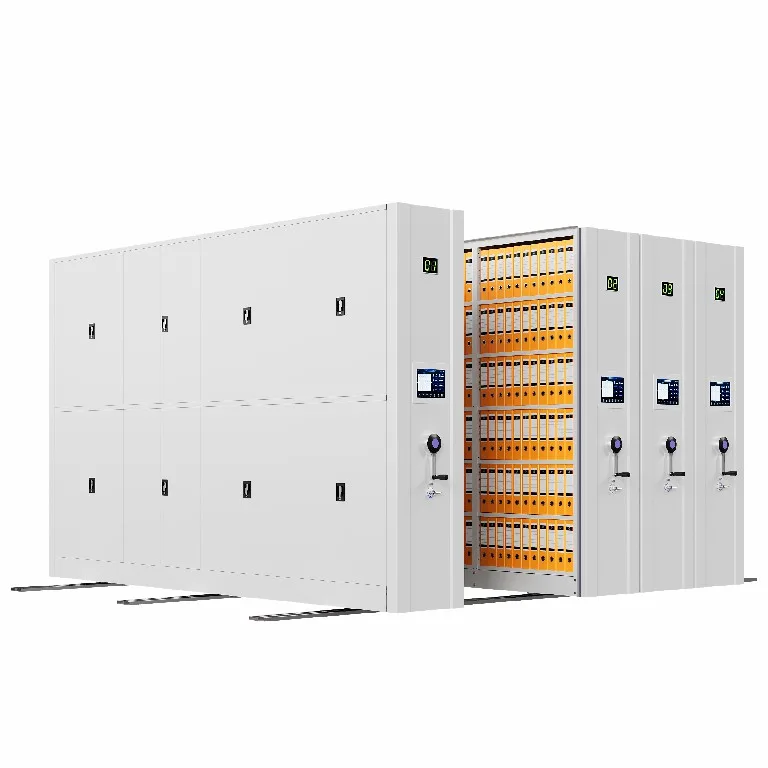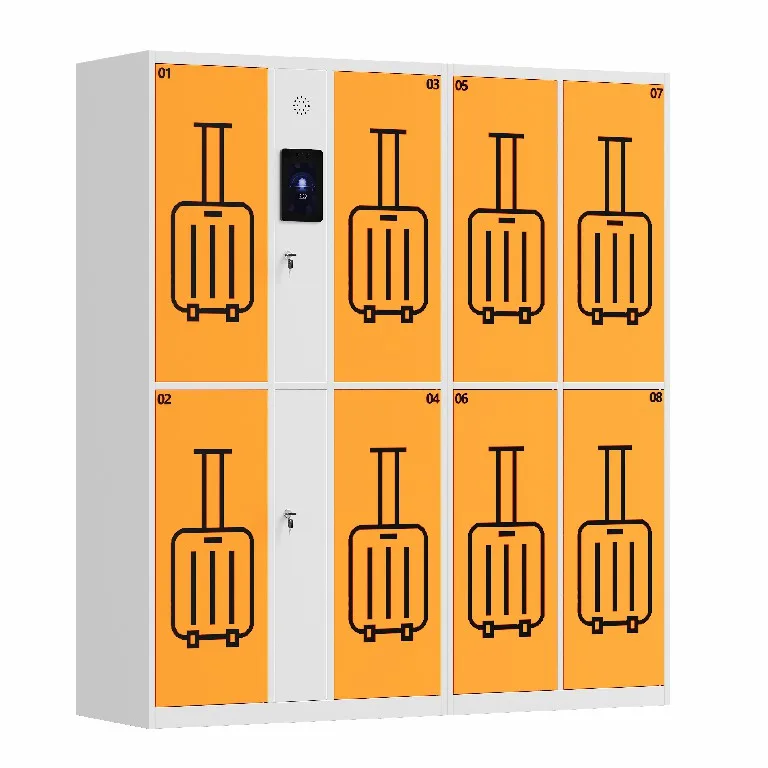

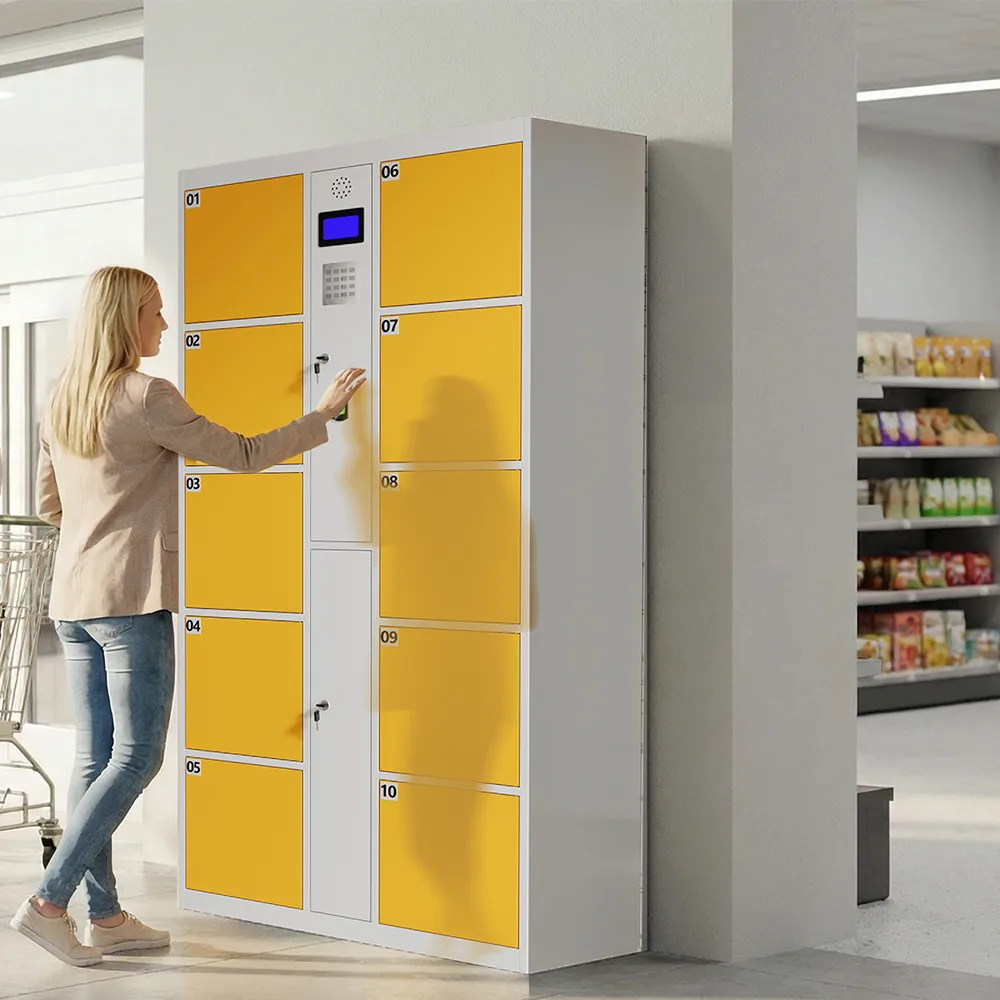
Best Locations for Smart Parcel Lockers: 8 High-ROI Placement Sites
Why Parcel Locker Location Determines 80% of Your Success
Global e-commerce sales surpassed $6.3 trillion in 2024 and are projected to exceed $8.1 trillion by 2026. Behind every online order is a last-mile delivery challenge: 34% of consumers have had a package stolen, and 61% say missed deliveries are their top shipping frustration. Smart parcel lockers solve both problems — but only if they are placed where people actually need them.
A parcel locker in the wrong location becomes an expensive paperweight. The same hardware, positioned correctly, can achieve 70-90% daily occupancy and generate consistent revenue for years. This guide breaks down the eight highest-performing locations, the operational factors that make each one work, and a scoring framework you can use to evaluate any potential site before you invest.
UFUN Insight: In our deployments across 30+ countries, location choice accounts for roughly 80% of a locker bank’s long-term usage rate. Hardware quality matters, but placement matters more.
The 5 Core Principles of Parcel Locker Placement
Before diving into specific locations, understand the five principles that separate high-performing sites from underperformers:
- Natural Foot Traffic Path — Place lockers where people already walk, not where you want them to walk. Main entrances, mailrooms, and elevator lobbies outperform side corridors by 3-5x.
- Visibility from 10 Meters Away — A user should see the locker bank without searching. If it takes more than 5 seconds to find, adoption drops sharply.
- 24/7 Accessibility — The #1 reason people use lockers is convenience. If the locker is behind a locked door that closes at 6 PM, you eliminate half your potential usage.
- Power and Network Ready — Every smart locker needs reliable electricity and WiFi/LAN. A site that requires expensive electrical retrofits may not be worth it.
- Property Manager Buy-In — Even the best location fails without cooperative management. Secure a written agreement covering space, power, maintenance, and liability before installation.
The 8 Best Locations for Smart Parcel Lockers
1. Residential Apartment Communities — The #1 Performing Location
Apartment buildings are the single strongest location for parcel lockers, and the data confirms it. The average U.S. household receives 22 packages per year, and 67% of apartment residents say package management is their top requested amenity. Most residents are away during delivery hours, and building lobbies quickly overflow with boxes during peak season.
- User profile: Working professionals, families, remote workers — frequent online shoppers
- Best position: Near main entrance, mailroom, or property management office
- Recommended configuration: 40-80 compartments, mix of small/medium/large sizes
- Expected daily usage: 60-85% occupancy during peak months
- Revenue model: Tenant amenity fee, per-pickup charge, or carrier subscription
Pro Tip: Pair parcel lockers with a dedicated oversized parcel area for items that don’t fit standard compartments — this eliminates the #1 complaint about locker systems.
2. Office Buildings and Business Districts
Office workers receive both personal packages and business documents during work hours. A 2024 survey found that 58% of office employees have had a personal package delivered to work because they weren’t home to receive it. Lockers in the lobby or ground floor let employees pick up parcels on their way in or out, without interrupting reception staff.
- User profile: Full-time employees, business professionals, delivery recipients
- Best position: Building lobby, ground floor common area, near reception desk
- Recommended configuration: 30-60 compartments, medium-size dominant
- Expected daily usage: 40-65% occupancy (higher on Mondays and post-holiday)
- Revenue model: Building amenity, employer-sponsored, or pay-per-use
3. University and College Campuses
Campuses are dense with digitally native students who shop online constantly. The average college student receives 3-5 packages per month, yet most universities restrict delivery personnel from entering dormitory areas. This creates a massive, underserved demand that smart lockers address perfectly.
- User profile: Students (18-25), faculty, campus staff
- Best position: Near dormitory entrances, student union, library, or campus mail center
- Recommended configuration: 80-200+ compartments (campuses need high capacity)
- Expected daily usage: 70-90% during academic terms; drops during breaks
- Revenue model: University-funded amenity, student fee, or carrier partnership
UFUN Insight: Campus deployments are seasonal. Negotiate academic-year contracts or plan for 2-3 months of lower usage during summer and winter breaks.
4. Industrial Parks and Large Factories
Industrial facilities are often located far from city centers, and employees face long commutes. Getting a package delivered to a factory gate is unreliable — couriers may not find the right entrance, and security may refuse personal deliveries. Lockers near canteens or staff entrances solve this and are perceived as a valuable employee benefit.
- User profile: Factory workers, industrial staff, shift employees
- Best position: Near main gate, canteen, or staff dormitory entrance
- Recommended configuration: 40-80 compartments, durable outdoor-rated units
- Expected daily usage: 35-55% occupancy (steady, tied to shift patterns)
- Revenue model: Employer-sponsored employee benefit or pay-per-use
5. Subway Stations and Transportation Hubs
Commuters pass through transit hubs twice daily — once on the way to work and once on the way home. A parcel locker near the exit lets them pick up packages without making an extra stop. This ‘zero extra trip’ convenience is a powerful adoption driver, especially in cities where most people use public transit.
- User profile: Daily commuters, transit riders, urban professionals
- Best position: Near exit gates, ticket hall, or main pedestrian corridor
- Recommended configuration: 40-100 compartments, compact footprint design
- Expected daily usage: 50-70% occupancy (peak during evening commute)
- Revenue model: Pay-per-use, transit authority partnership, or advertiser-sponsored
Pro Tip: In transit hubs, visibility is everything. Travelers in a hurry won’t search for a locker tucked away in a side passage. Position it directly in the main walking flow.
6. Shopping Malls and Supermarkets
Retail locations draw large crowds and offer ample parking. Many shoppers combine grocery runs or mall visits with parcel pickup — a behavior known as ‘trip-chaining.’ Lockers near parking lot entrances or service desks give them high visibility and steady, predictable usage.
- User profile: Shoppers, grocery customers, mall visitors
- Best position: Near parking entrance, customer service desk, or main aisle
- Recommended configuration: 30-60 compartments, large-size options for big-box purchases
- Expected daily usage: 45-65% occupancy (higher on weekends)
- Revenue model: Retailer-sponsored (drives foot traffic), pay-per-use, or carrier subscription
7. Hospitals and Medical Facilities
Hospital staff work long, irregular shifts and have significant package needs that are often overlooked. Doctors, nurses, and administrative personnel frequently order items online but can’t receive deliveries during shifts. Lockers near staff entrances or canteens provide convenience without disrupting medical operations.
- User profile: Medical staff, hospital employees, shift workers
- Best position: Near staff entrance, employee canteen, or admin building lobby
- Recommended configuration: 30-50 compartments, antimicrobial surfaces preferred
- Expected daily usage: 30-50% occupancy (steady across shifts)
- Revenue model: Hospital-funded staff amenity or pay-per-use
Critical: Never place lockers near emergency routes, ambulance bays, or crowded patient waiting areas. Hospital logistics teams must approve the location.
8. Co-Working Spaces and Business Incubators
Co-working spaces are home to freelancers, startups, and small businesses that don’t have a traditional mailroom. Members receive business documents, product samples, and personal packages throughout the day. A smart locker system eliminates the need for front-desk staff to manage packages manually.
- User profile: Freelancers, startup teams, remote workers, small business owners
- Best position: Near entrance, reception area, or mailroom
- Recommended configuration: 20-40 compartments, compact design
- Expected daily usage: 35-55% occupancy (higher during workweek)
- Revenue model: Included in membership, premium add-on, or pay-per-use
Parcel Locker Location Scoring Matrix (Evaluate Any Site in 5 Minutes)
Use this 5-factor scoring matrix to evaluate any potential location. Score each factor 1-5 (5 = excellent). A total score of 20+ indicates a strong candidate; below 15, reconsider the site.
| Fator | What to Evaluate | Weight | Score (1-5) |
| User Density | How many potential users live/work/pass through within 100m? | 30% | |
| Visibilidade | Can the lockers be seen from the main walking path without searching? | 20% | |
| Accessibility | 24/7 access? No barriers? Wheelchair-friendly? | 20% | |
| Infrastructure | Power, WiFi/LAN, weather protection already available? | 15% | |
| Management Support | Property manager cooperative? Written agreement possible? | 15% | |
| TOTAL | Add weighted scores → 20+ = Strong | 15-19 = Moderate | <15 = Weak | 100% |
6 Common Parcel Locker Placement Mistakes to Avoid
- Placing in Low-Visibility Areas — A locker around a corner or in a back hallway will be underused. If users can’t see it, they won’t use it.
- Blocking Emergency Exits — Never place lockers in fire exit corridors, near emergency equipment, or where they impede evacuation routes. This is both a safety hazard and a code violation.
- Ignoring Weather for Outdoor Units — Outdoor lockers need weatherproofing, shade, and drainage. Direct sunlight can overheat electronics; rain can damage touchscreens.
- Skimping on Compartment Size — If 30% of packages don’t fit, users will abandon the system. Always include 15-20% large compartments for big-box items.
- Forgetting About Oversized Parcels — Not every package fits a locker. Plan a separate secure area or oversized locker for items that exceed standard dimensions.
- No Maintenance Plan — A broken touchscreen or jammed door kills trust. Schedule weekly checks of scanners, locks, and screens, and have a 48-hour repair SLA.
From Site Selection to Launch: A 4-Step Implementation Roadmap
Step 1: Site Assessment (Week 1-2)
- Visit the location at different times (morning, lunch, evening) to map foot traffic patterns
- Measure available space and confirm power/network access
- Photograph the proposed location from multiple angles
- Complete the scoring matrix above
Step 2: Agreement & Permissions (Week 2-4)
- Negotiate a formal agreement with property management covering: space, power, maintenance, liability, and revenue share (if applicable)
- Confirm any local permits or zoning requirements for outdoor installations
- Obtain written approval for electrical and network work
Step 3: Installation & Testing (Week 4-6)
- Install the locker bank according to manufacturer specifications
- Test all compartments, access methods, and network connectivity
- Install signage and clear usage instructions
- Run a 3-day pilot with a small group of test users
Step 4: Launch & Optimization (Week 6+)
- Announce the service to users via email, posters, and property management channels
- Monitor usage data weekly for the first 3 months
- Adjust pricing, compartment mix, or signage based on real usage patterns
- Schedule monthly maintenance checks
Perguntas frequentes
Q: What is the single best location for parcel lockers?
A: Residential apartment communities consistently perform best, with 60-85% daily occupancy during peak months. University campuses are a close second, especially during academic terms. The ‘best’ location depends on your market, but apartments and campuses are the safest starting points.
Q: How many compartments do I need for an apartment building?
A: A general rule is 1 compartment per 5-10 units. A 100-unit apartment building typically needs 20-40 compartments. Adjust based on resident demographics — buildings with more young professionals need more lockers than retirement communities.
Q: Can parcel lockers be installed outdoors?
A: Yes, but only with outdoor-rated units. Look for IP54 or higher weatherproof rating, UV-resistant powder coating, and built-in temperature control. Outdoor locations should also have a canopy or shade structure to protect from direct rain and sun.
Q: How long does it take to recoup the investment?
A: Typical payback periods range from 12-24 months for high-traffic locations (apartments, campuses), and 24-36 months for moderate-traffic sites (offices, hospitals). Payback depends on compartment count, pricing model, and daily usage rate.
Q: Do I need property manager approval before installing?
A: Absolutely. Always secure a written agreement before installation. The agreement should cover: space usage, electricity costs, maintenance responsibilities, liability insurance, and contract duration. Verbal agreements lead to disputes.
Q: What access methods work best for public locations?
A: QR code scanning is the most universal for public, high-turnover locations (transit hubs, malls). PIN codes work well as a backup. For semi-private locations (offices, apartments), RFID cards or mobile app access offer a better user experience.
Conclusion: Location Is the Foundation of Parcel Locker Success
Smart parcel lockers are proven solutions for the last-mile delivery challenge, but their success depends almost entirely on placement. Residential apartments and university campuses remain the strongest locations, while offices, transit hubs, retail centers, hospitals, industrial parks, and co-working spaces all offer solid opportunities when evaluated carefully.
Before investing in hardware, use the scoring matrix in this guide to evaluate every potential site. Secure property manager buy-in, plan for oversized parcels, and commit to regular maintenance. Get these fundamentals right, and your parcel locker system will deliver consistent usage, satisfied users, and a strong return on investment for years to come.
Ready to find the perfect location for your parcel locker project? UFUN’s team offers free site assessments and custom configuration recommendations. Contact us today for a consultation tailored to your property and market.