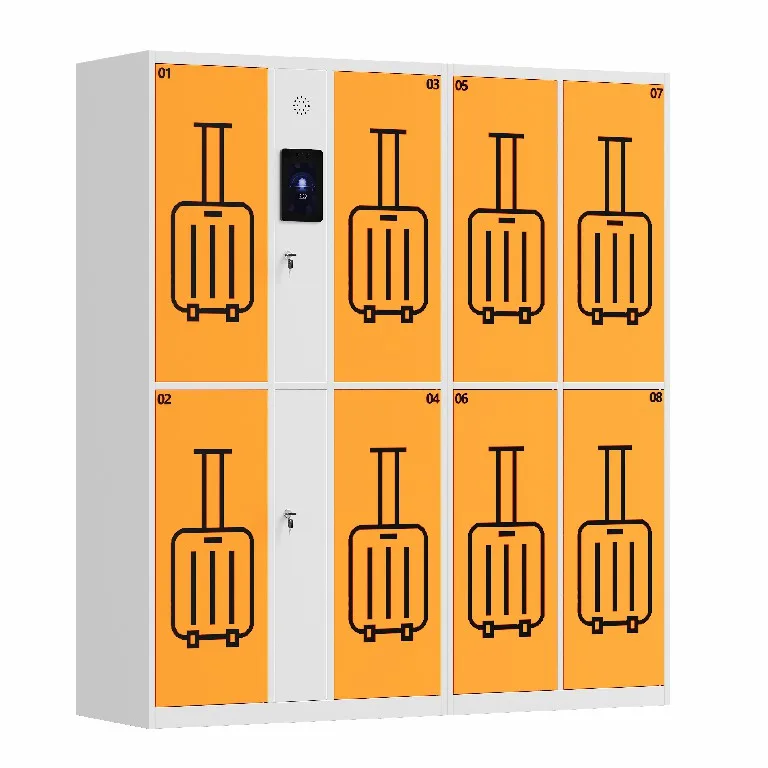

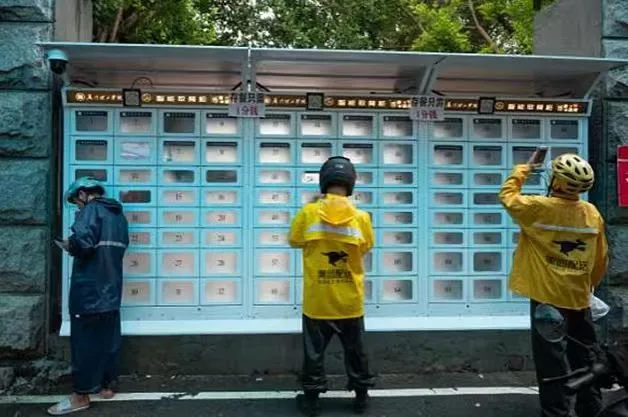
Opis meta: Wondering if your restaurant needs a smart food delivery locker? Take this 10-point self-check to score your pickup process and discover if a locker system is right for you.
Why Your Delivery Pickup Process Deserves a Closer Look
Every restaurant operator who runs delivery orders eventually reaches the same question: is our current pickup workflow actually working, or is it quietly eroding our margins, order accuracy, and customer reviews?
Delivery volume keeps growing across the industry. Platforms multiply. Customer expectations for speed and food quality keep rising. Yet many restaurants still rely on the same manual handoff process they used when delivery was a small side business — a stack of bags on the counter, a shout of “order for John,” and a hope that the right rider grabs the right bag.
This isn’t a judgment on your team. It’s a systems issue. And the good news is: you can diagnose exactly where your process stands before investing in a solution.
Below is a 10-point operational self-assessment. Score 1 point for every statement that’s true for your restaurant. At the end, we’ll break down what your total means — and what to do about it.
The 10-Point Restaurant Delivery Self-Check
1. Kitchen staff regularly pause food preparation to hand off delivery orders
When a line cook or expeditor has to step away from the station every time a rider arrives, that’s not a minor interruption. It’s cumulative lost production time — multiplied across every order, every shift, every week. Over a month, those interruptions add up to real labor hours that could go toward food quality or speed.
☐ True for our operation
2. You manage orders across two or more delivery platforms simultaneously
Multiple platforms mean multiple rider pools, multiple pickup windows, and — without a standardized system — a counter that descends into chaos during the lunch or dinner rush. Each app has its own notification rhythm, its own rider etiquette, and its own pickup expectations, all converging on the same small counter space.
☐ True for our operation
3. Customers have complained that their food arrived cold or lukewarm
If this has happened more than once, it’s not a one-off bad day. It’s a signal that food is sitting too long between “order ready” and “rider pickup” — and that gap is directly affecting your review scores and repeat order rate. Cold food is one of the top three reasons customers stop ordering from a restaurant.
☐ True for our operation
4. Orders have been handed to the wrong rider or picked up by the wrong customer
Mix-ups during a rush aren’t a staff competence problem — they’re a structural problem. A counter full of unlabeled or loosely labeled bags, with no individual verification step, is statistically guaranteed to produce errors eventually. And each error costs you a refund, a bad review, or both.
☐ True for our operation
5. You’ve had a dispute about whether an order was actually picked up
Without a digital record, these disputes devolve into “our staff says it was picked up” versus “the customer says it wasn’t” — a situation with no clean winner. You either absorb the cost of a remake or risk losing the customer. A timestamped, logged pickup process eliminates this entirely.
☐ True for our operation
6. Your peak hours create visible congestion at the pickup counter or entrance
If riders and walk-in customers are crowding the same space during lunch or dinner rush, that congestion is actively hurting your business. It slows down table turnover for dine-in guests, creates a poor first impression, and increases the likelihood of order mix-ups as people reach over each other.
☐ True for our operation
7. You’ve considered hiring additional staff primarily to manage order handoffs
If the main argument for a new hire is “we need someone just to hand orders to riders,” that’s a clear signal that the process itself — not your headcount — is the bottleneck. Throwing labor at a process problem is expensive and rarely sustainable.
☐ True for our operation
8. Your restaurant operates during hours when supervising every handoff is impractical
Late-night delivery windows, understaffed mid-afternoon shifts, or a lean overnight crew all make staff-present handoffs unreliable. When the person responsible for handoffs is also the only person on the line, something always gives — and it’s usually the pickup process.
☐ True for our operation
9. Food safety or hygiene concerns have been raised by customers or staff
If contactless handling, shared counter surfaces, or open-air bag storage have come up as a concern — from either side of the counter — that’s worth addressing proactively. Post-pandemic, food safety visibility has become a genuine differentiator, not just a compliance checkbox.
☐ True for our operation
10. You expect delivery volume to grow, not shrink, over the next 12 months
If delivery is an expanding channel for your business — not a shrinking one — whatever friction exists in your current handoff process will only become more expensive as order volume increases. The cost of inaction compounds with every new order.
☐ True for our operation
What Your Score Reveals About Your Operation
0–2 Points: Your Current Process Is Holding Up (For Now)
Your order volume and workflow don’t show significant strain yet. You may have a relatively simple delivery setup — one platform, moderate volume, or a dedicated pickup area that keeps things organized.
Recommendation: Keep monitoring. If you add a new delivery platform, expand hours, or see volume growth, revisit this assessment. A small, compact locker unit near your kitchen exit can be a low-risk way to future-proof before problems emerge.
3–5 Points: Moderate Friction — Worth a Pilot Before It Escalates
You have real, identifiable pain points in your current process. They may not be catastrophic yet, but they’re costing you time, accuracy, or customer satisfaction in measurable ways.
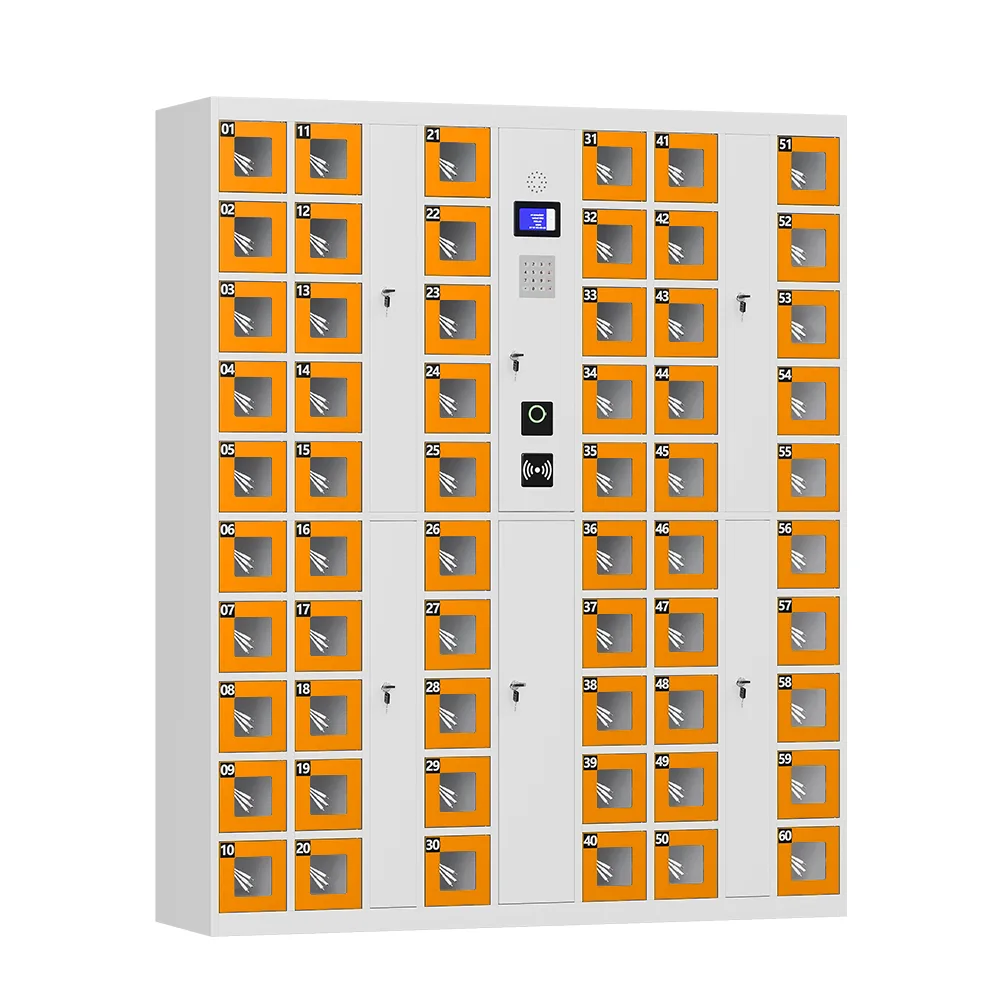
Recommendation: Run a pilot with a single compact locker bank near your kitchen exit or storefront entrance. Test it during your busiest hours for 2–4 weeks. Measure order accuracy, rider wait time, and staff interruption frequency before and after. The data will tell you whether a full rollout makes sense.
6–8 Points: Active Operational Drag — A Locker System Will Show Quick ROI
Multiple strong signals point to a genuine operational gap. Your handoff process is actively costing you labor hours, order accuracy, and potentially review scores. You’re likely already absorbing the cost of remakes, refunds, or slowdowns that a locker system would eliminate.
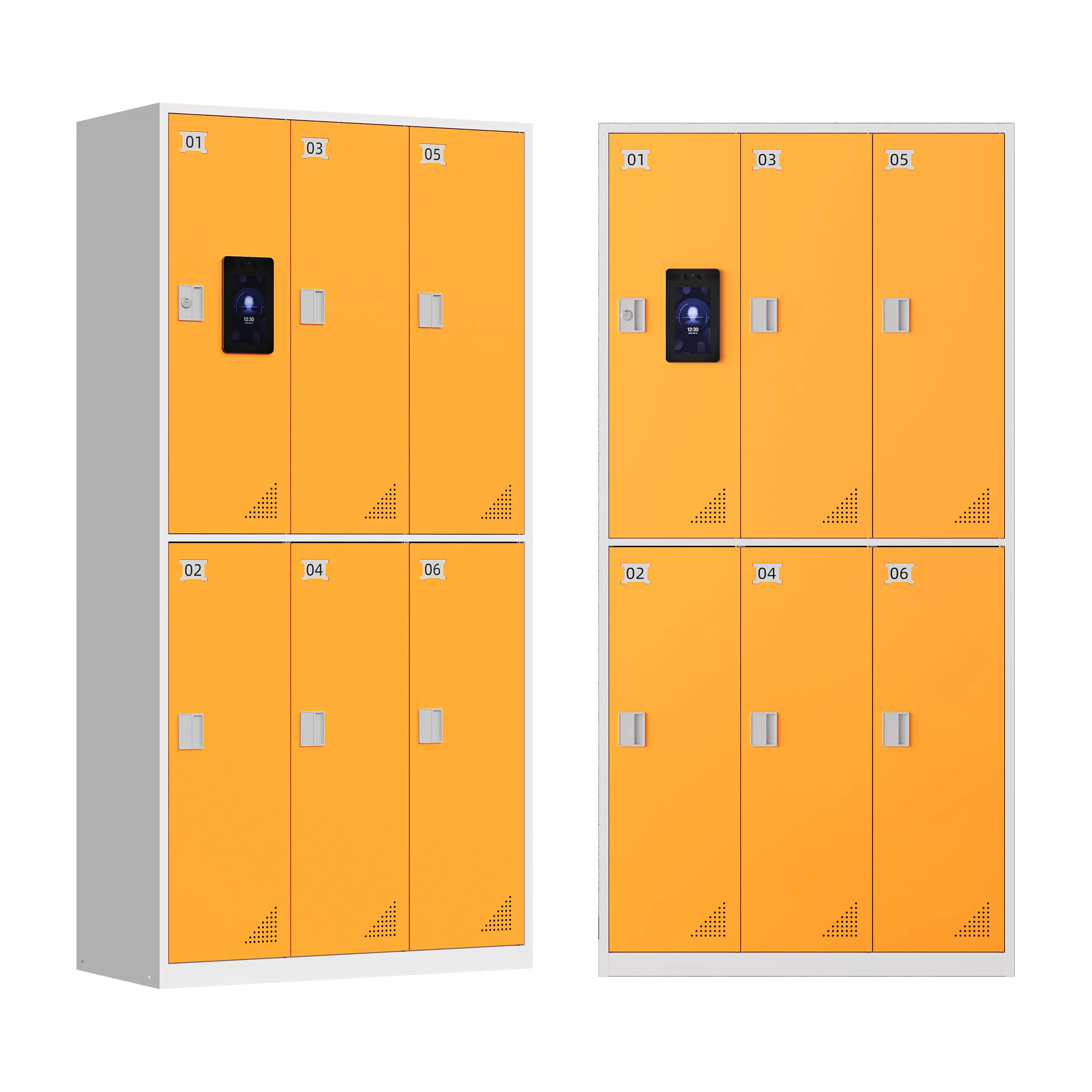
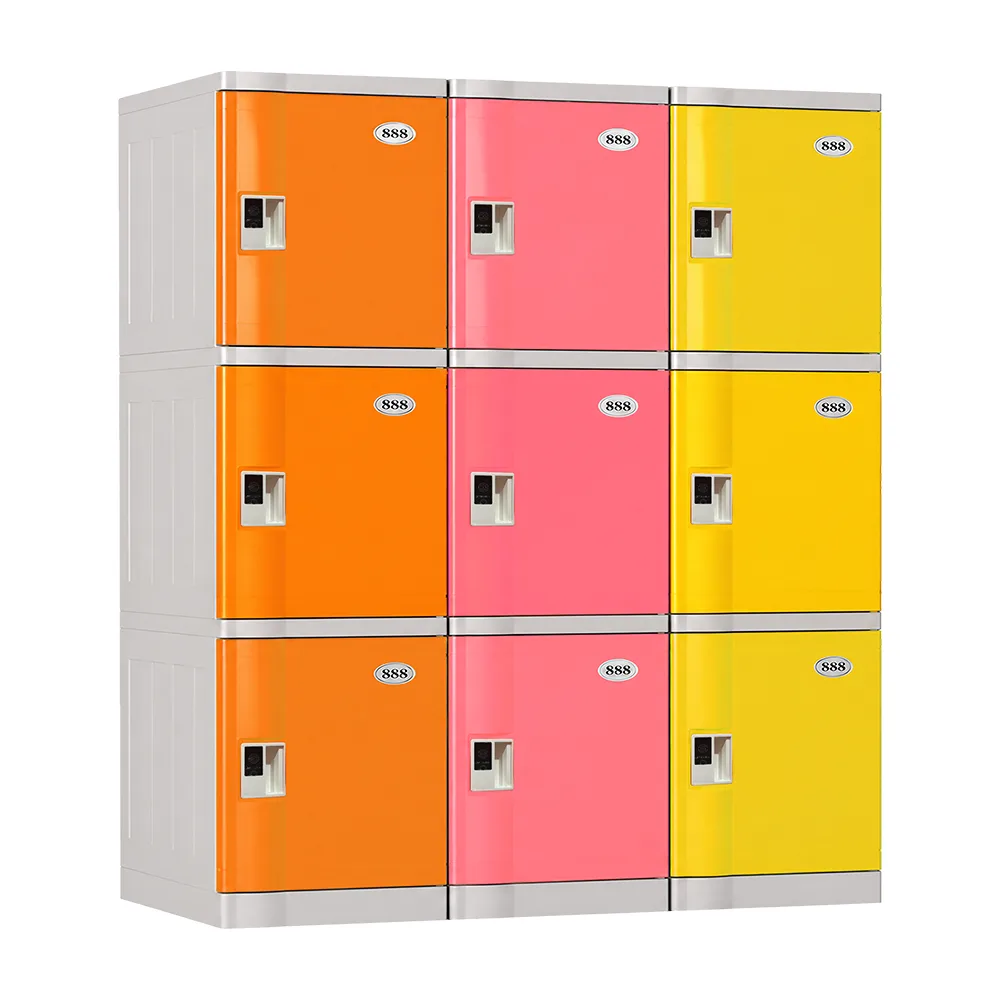
Recommendation: Invest in a properly sized smart food locker with heated, individually coded compartments. Most restaurants in this score range see measurable improvement — fewer mix-ups, less staff interruption, better food temperature consistency — within the first 2–3 weeks of use.
9–10 Points: Your Pickup Process Is a Growth Bottleneck
At this score, your counter isn’t just inconvenient — it’s actively limiting how much delivery volume you can handle without sacrificing food quality, accuracy, or staff morale. You’re likely turning away orders or burning out your team during peak hours.
Recommendation: Prioritize a locker-based pickup system as a core operational upgrade, not a nice-to-have. Look for a configuration with enough compartments to handle your peak-hour volume, with room to scale. This is the profile of an operation that sees immediate, measurable ROI — often within the first month.
Action Plan: Match the Solution to Your Highest-Scoring Pain Points
Not every restaurant needs the same locker configuration. Prioritize features based on which statements scored “true” for you:
| If Your Top Pain Point Is… | Prioritize This Feature |
| Multi-platform chaos (Q2) | A system designed for multi-platform routing, so every delivery app funnels through the same standardized locker process |
| Cold food complaints (Q3) | Heated compartments with consistent temperature control (45–60°C / 113–140°F) to hold food at serving temperature even when pickup is delayed |
| Order mix-ups or disputes (Q4, Q5) | Individually coded compartments with automatic logging of deposit and pickup times — every order gets a clear digital record |
| Hygiene or food safety concerns (Q9) | Built-in UV disinfection between uses, plus easy-to-clean surfaces and contactless pickup |
| Off-peak or short-staffed hours (Q8) | Fully self-service operation — PIN code, phone number, or QR code access — that requires zero staff presence for pickup |
| Growing delivery volume (Q10) | A configuration with enough compartments and throughput for your current peak, plus modular expansion capability as volume increases |
| Staff interruption (Q1, Q7) | A system placed near the kitchen exit with one-step deposit — staff drops the order, closes the door, and returns to the line immediately |
Getting Started: 4 Steps to a Smooth Rollout
Step 1: Measure Your Baseline
Before installing anything, track your current metrics for one full week: average rider wait time, order error rate, staff interruption frequency, and customer complaints related to pickup. This gives you a clear before-and-after comparison.
Step 2: Choose the Right Size
Count your peak-hour order volume. A good rule of thumb: select a locker with approximately 30–40% more compartments than your simultaneous peak order count, to accommodate unexpected spikes.
Step 3: Position for Flow
Place the locker near your kitchen exit or storefront entrance — wherever riders currently pick up. The goal is to make the transition seamless for both staff and riders, not to create a new workflow that people have to learn.
Step 4: Train and Communicate
Train your kitchen staff on the deposit process (it should take under 30 seconds per order), and notify your delivery platform partners about the new pickup system. Most platforms can add pickup instructions to their app.
Najczęściej zadawane pytania
Q: How much space does a smart food locker require?
A: A typical 12–20 compartment unit has a footprint similar to a standard vending machine — roughly 60–80cm wide and 40–50cm deep. Most restaurants find space near the kitchen exit or front entrance without significant renovation.
Q: Can a food locker integrate with our existing delivery platforms?
A: Yes. Modern smart food lockers are designed to work with all major delivery platforms. The system generates a unique pickup code for each order, which can be sent to the rider via the delivery app, SMS, or QR code — no special integration required for basic operation.
Q: How do heated compartments work, and are they safe?
A: Heated compartments use controlled heating elements to maintain a consistent food-safe temperature (typically 45–60°C). Quality systems include temperature monitoring, overheat protection, and automatic shutoff. They’re designed to hold food at serving temperature without overcooking or drying it out.
Q: What’s the typical payback period for a restaurant?
A: Most restaurants see payback within 3–6 months, based on reduced labor costs from fewer staff interruptions, fewer remakes from order errors, and improved customer retention from better food quality and accuracy.
Q: Can the locker be used for both delivery riders and walk-in pickup customers?
A: Absolutely. The same system works for both — each order gets its own coded compartment, whether the person picking it up is a third-party rider or a customer who ordered directly. This is especially useful for restaurants running both delivery and takeout.
Q: What happens if a rider doesn’t show up or an order goes unclaimed?
A: The system tracks deposit and pickup times and can send automated alerts for unclaimed orders after a set period. Staff can then retrieve the order, contact the customer, or dispose of it according to your food safety policy — all with a clear digital record.
Ready to Score a Better Pickup Process?
Your delivery pickup process doesn’t have to be a source of stress, errors, and lost revenue. A smart food delivery locker is one of the highest-ROI operational upgrades a growing restaurant can make — and the first step is simply understanding where your current process stands.
At UFUN, we design and manufacture smart food delivery lockers with heated compartments, multi-platform compatibility, UV disinfection, and fully self-service pickup. With 10+ years of manufacturing experience and OEM/ODM capabilities, we build solutions that fit your restaurant’s specific volume, layout, and growth plans.