
When evaluating smart lockers for your business, facility, or organization, security is inevitably the top concern. Most people asking this question focus on two critical risks: forced entry by unauthorized individuals, and accidental or intentional access by those who shouldn’t have permission. While these are valid priorities, true smart locker security goes far beyond physical strength and basic access control—it relies on a holistic, multi-layered system that addresses every potential vulnerability. This is a key consideration for anyone researching smart locker security for commercial use, and in this guide, we break down the four core layers of smart locker security, explaining how each works together to protect your assets, data, and accountability, and why this framework is essential for reliable smart locker security for business operations.
Layer 1: Physical Construction – The First Line of Defense
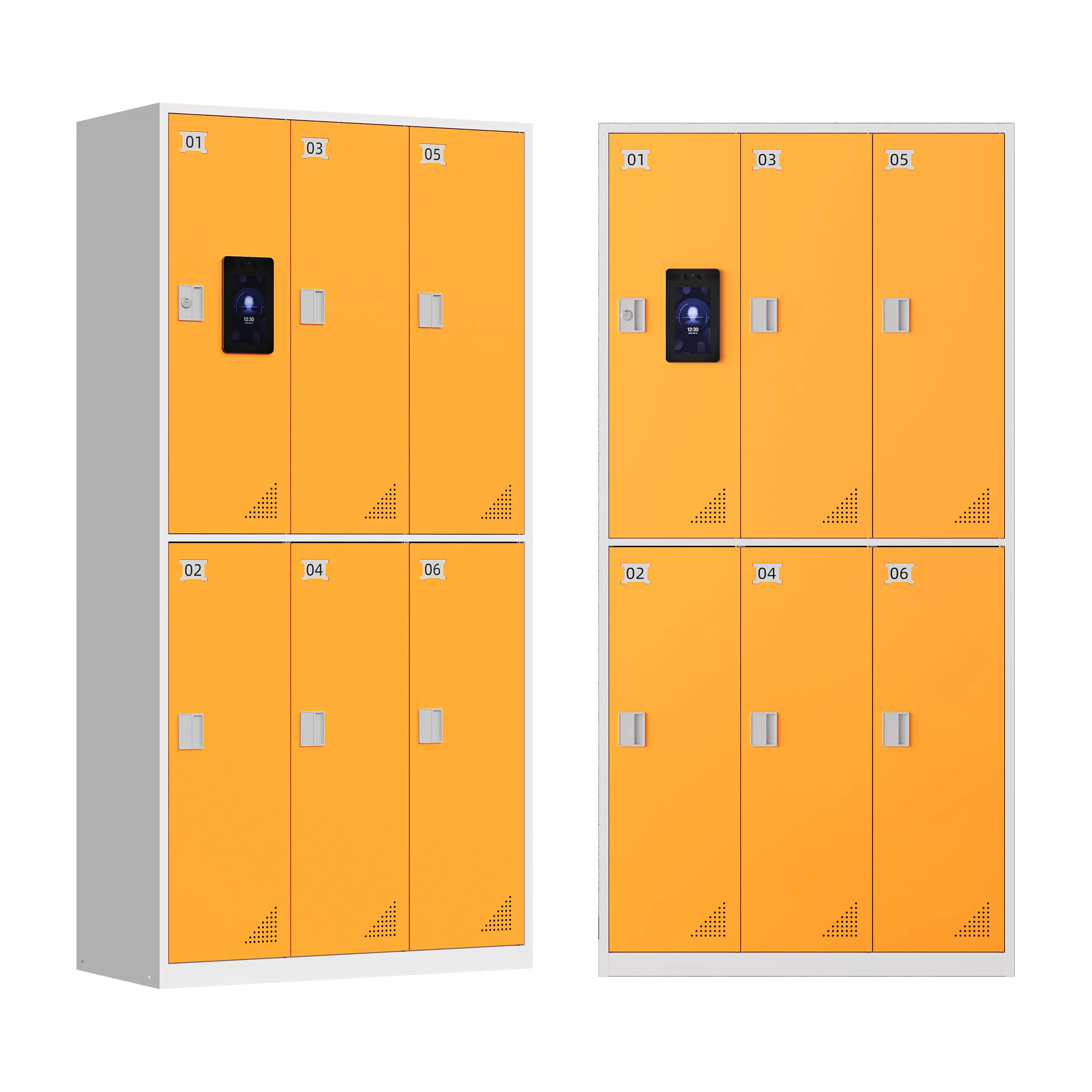
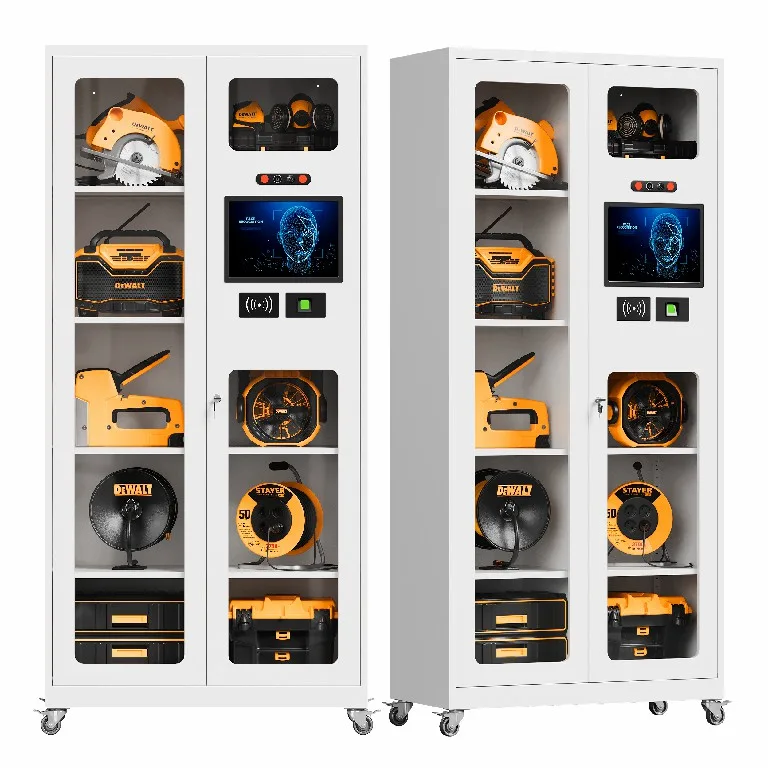
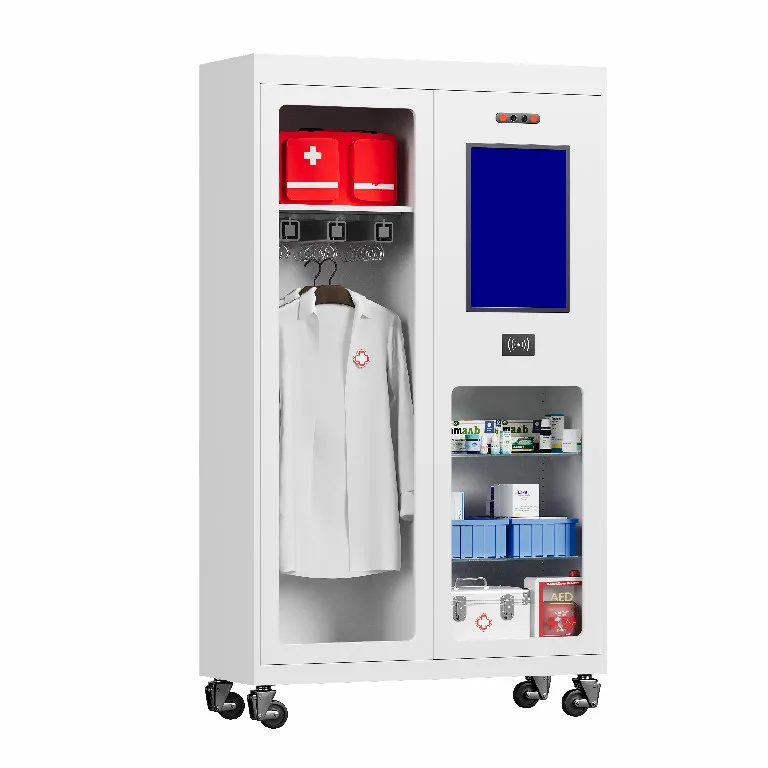
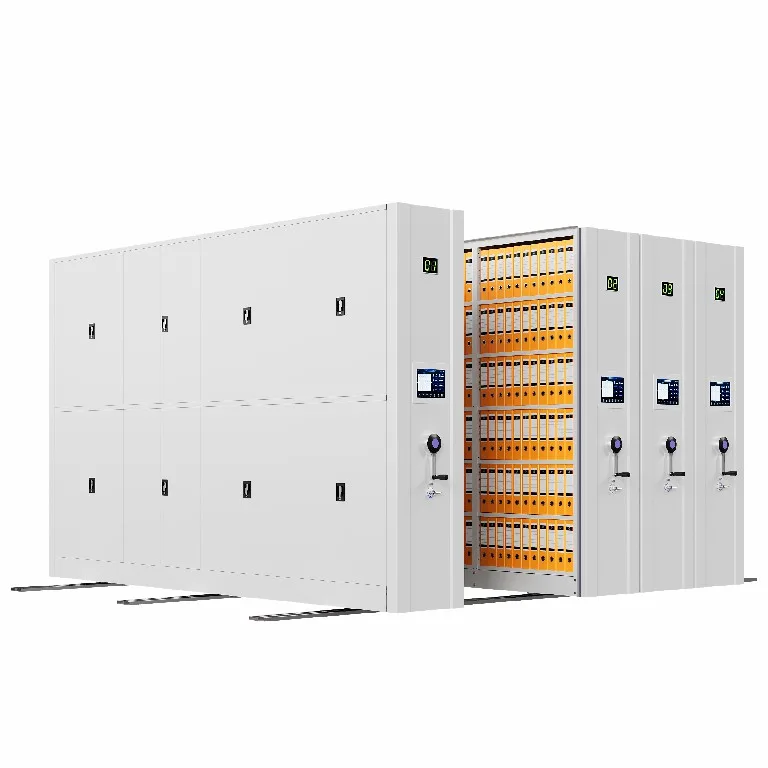
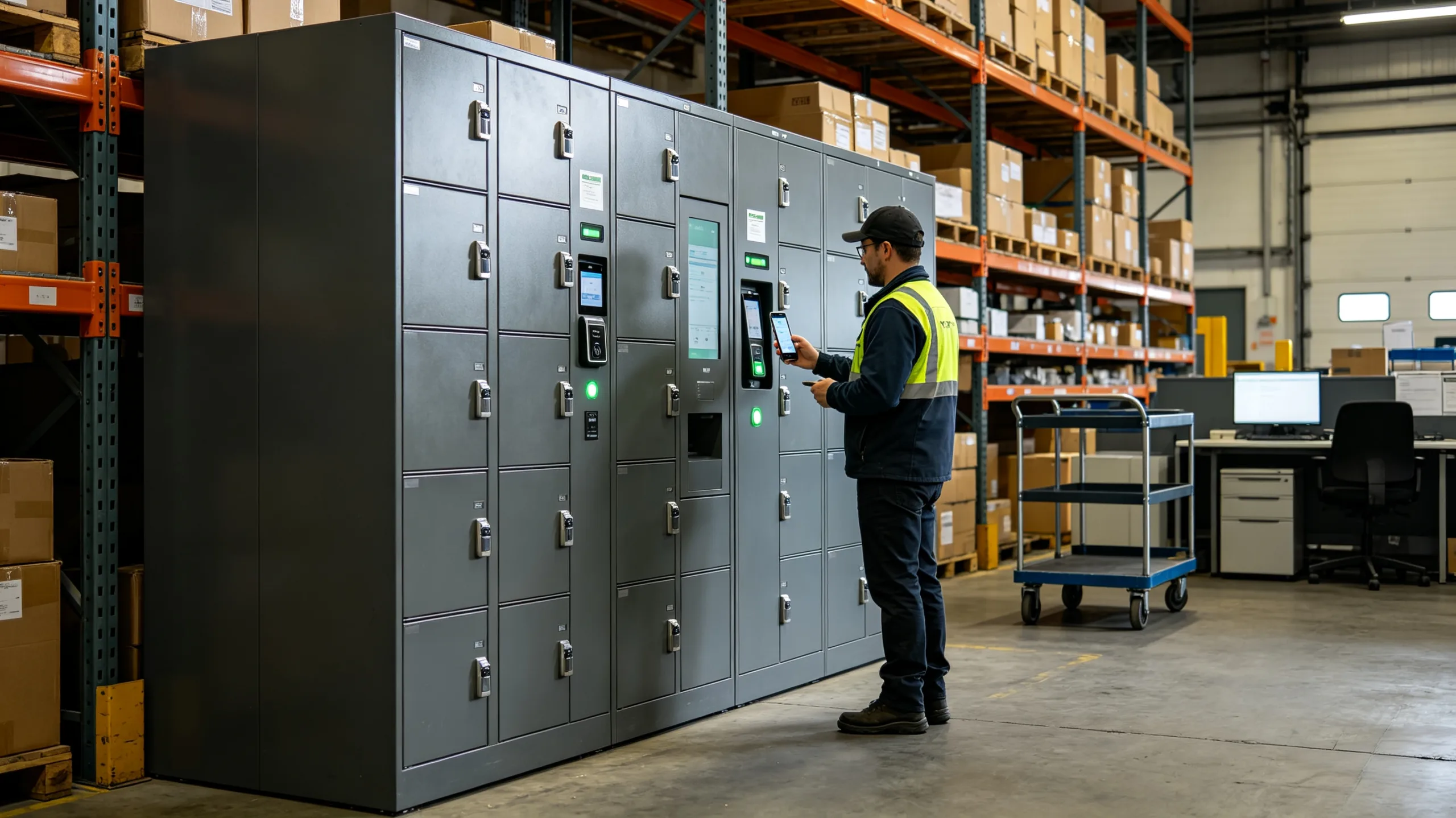
The foundation of any secure smart locker is its physical build quality, designed to withstand daily wear and tear while resisting tampering and forced entry. Unlike traditional lockers, which often use flimsy materials and basic locks, high-quality smart lockers are constructed with heavy-duty steel cabinets and reinforced steel doors, engineered to handle high-traffic environments—from office buildings and warehouses to healthcare facilities and educational institutions. This durability makes them ideal for smart locker security in office and industrial settings, where consistent protection is non-negotiable.
It’s important to note that no locker is completely indestructible. A determined individual with specialized tools and sufficient time could potentially breach almost any storage unit. However, the goal of robust physical construction is to raise the barrier to entry significantly, make any tampering attempts obvious to observers, and eliminate easy access points that plague traditional lockers. Smart lockers also eliminate the vulnerabilities of traditional key-based systems: there are no physical keys to copy, lose, or steal, and no master key that could compromise an entire bank of lockers if misplaced. The smart lock itself only disengages after the system verifies the user’s authorization, removing the most common weak point in traditional locker security.
Layer 2: Access Control – Restricting Entry to Authorized Users Only
The second layer of smart locker security is access management, which is where most real-world security successes and failures are determined. Unlike traditional lockers that can be opened by anyone with a key or a shared PIN, smart lockers operate on a principle of verified identity—they only open for confirmed, authorized users, and only for the specific lockers those users are permitted to access.
Modern smart locker systems offer flexible, secure access methods tailored to different use cases, eliminating the risks of shared credentials:
- Badge/Fob Authentication: Employees or users can tap their existing access badges or key fobs to unlock assigned lockers, with no additional credentials to issue or lose. This integrates seamlessly with existing facility access systems, ensuring consistent security across your entire premises.
- Two-Factor Mobile Authentication: For contactless collections or temporary access, users can unlock lockers via their mobile devices after a two-step verification process. No app installation is required, and there’s no PIN to share or write down, reducing the risk of credential theft.
- Granular Permission Settings: Access can be configured per user, per locker, or per group, allowing administrators to grant or revoke permissions in real time from a central dashboard. This eliminates the need for locksmiths when access rights change, and ensures that users only have access to the lockers relevant to their role.
The key advantage here is the elimination of shared, unaccountable access. There are no sticky notes with PINs, no keys passed between shifts, and no anonymous users accessing lockers—every entry is tied to a specific, verified individual, which is critical for the accountability layer we’ll cover next.
Layer 3: Data Protection – Safeguarding Connected System Information
Smart lockers are connected devices, meaning the data they transmit and store—from user credentials to access logs—must be protected with the same rigor as the physical contents of the lockers themselves. This layer is especially critical for businesses in regulated industries, where data security compliance is a mandatory requirement. It’s also a key factor in choosing the most secure smart locker system for regulated environments, as data breaches can lead to severe compliance penalties and lasting reputational damage.
Two core technologies underpin robust data protection in smart locker systems:
- Advanced Encryption: All communication between the smart lockers and the central management platform is secured using AES (Advanced Encryption Standard), the global symmetric encryption standard recognized by the U.S. National Institute of Standards and Technology (NIST). This standard is trusted for protecting sensitive government and enterprise data, ensuring that intercepted data cannot be decrypted by unauthorized parties.
- ISO 27001 Compliance: Reputable smart locker providers operate under ISO/IEC 27001 certification, the international gold standard for information security management systems (ISMS). This certification ensures that the provider has documented policies, controls, and processes in place to manage information security risks, protect user data, and maintain compliance with global regulatory requirements. For procurement and IT teams, this certification is a key indicator of a provider’s commitment to data security.
Additionally, leading smart locker systems align with guidelines from global cybersecurity authorities, such as the UK’s National Cyber Security Centre (NCSC), ensuring that connected devices follow industry best practices for data protection and threat mitigation.
Layer 4: Audit Trails – The Ultimate Accountability Tool
If you take away one key insight from this guide, it’s this: the most powerful security feature of a smart locker is not its steel construction or its smart lock—it’s the immutable audit trail it generates. Traditional lockers offer no accountability once closed; if an item goes missing or a security incident occurs, there’s no way to track who accessed the locker, when, or what happened. Smart lockers eliminate this gap by logging every single interaction with the system.
Every action is recorded in a timestamped audit log, including:
- Who opened the locker (verified user identity)
- The exact date and time of access
- Which specific locker was accessed
- Whether the action was a deposit, collection, or return
This audit trail serves two critical purposes: deterrence and resolution. When users know their actions are being recorded and can be attributed to them, they are far less likely to engage in unauthorized or inappropriate behavior. If an incident does occur, the audit log provides concrete, verifiable evidence to resolve disputes, identify responsible parties, and prevent future issues—no more relying on memory, paper records, or guesswork. This is the difference between a locker that is simply locked, and one that is fully accountable.
Our Approach to Smart Locker Security
We believe that true smart locker security is not a single feature, but a cohesive system that integrates all four layers we’ve outlined. Our solutions are designed to work with your existing infrastructure—whether you’re installing new smart lockers or retrofitting your current lockers with smart locks—so you can leverage the physical security of your existing assets while adding the access control, data protection, and accountability of smart technology.
Our systems support the access methods you already use, from existing badge systems to contactless mobile authentication, eliminating the hassle of new credentials and reducing security risks. We maintain ISO 27001 compliance and use AES encryption for all data transmissions, ensuring your user data and system information are fully protected. And with automatic, real-time audit logs, you’ll never have to manually track access or worry about missing records—accountability is built into every interaction.
Whether you’re deploying smart lockers in an office, warehouse, healthcare facility, or regulated industry, our security framework ensures that your assets, data, and operations are protected at every level. For a deeper dive into how smart lockers work and how they can integrate with your existing workflows, explore our guide to smart locker functionality and industry use cases.