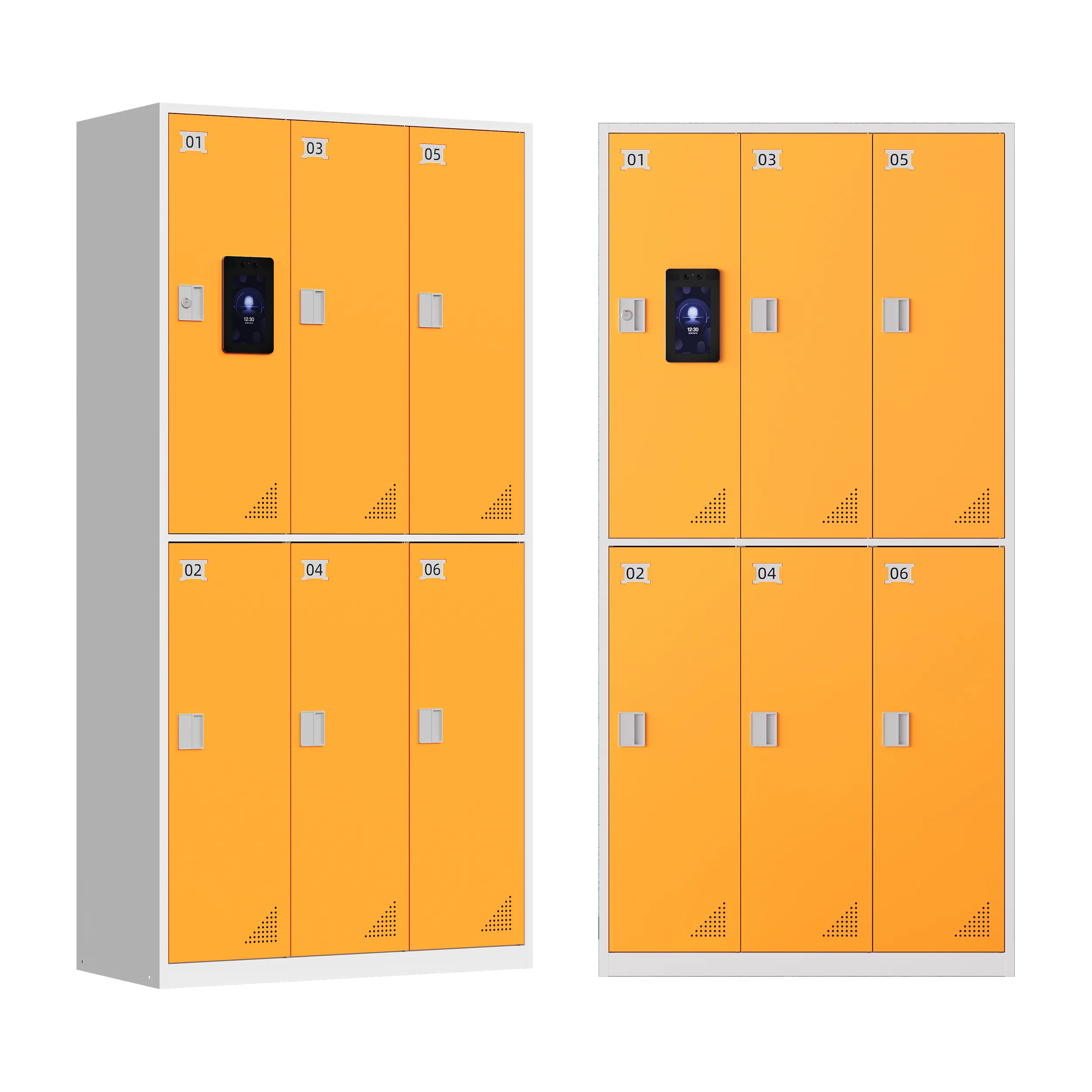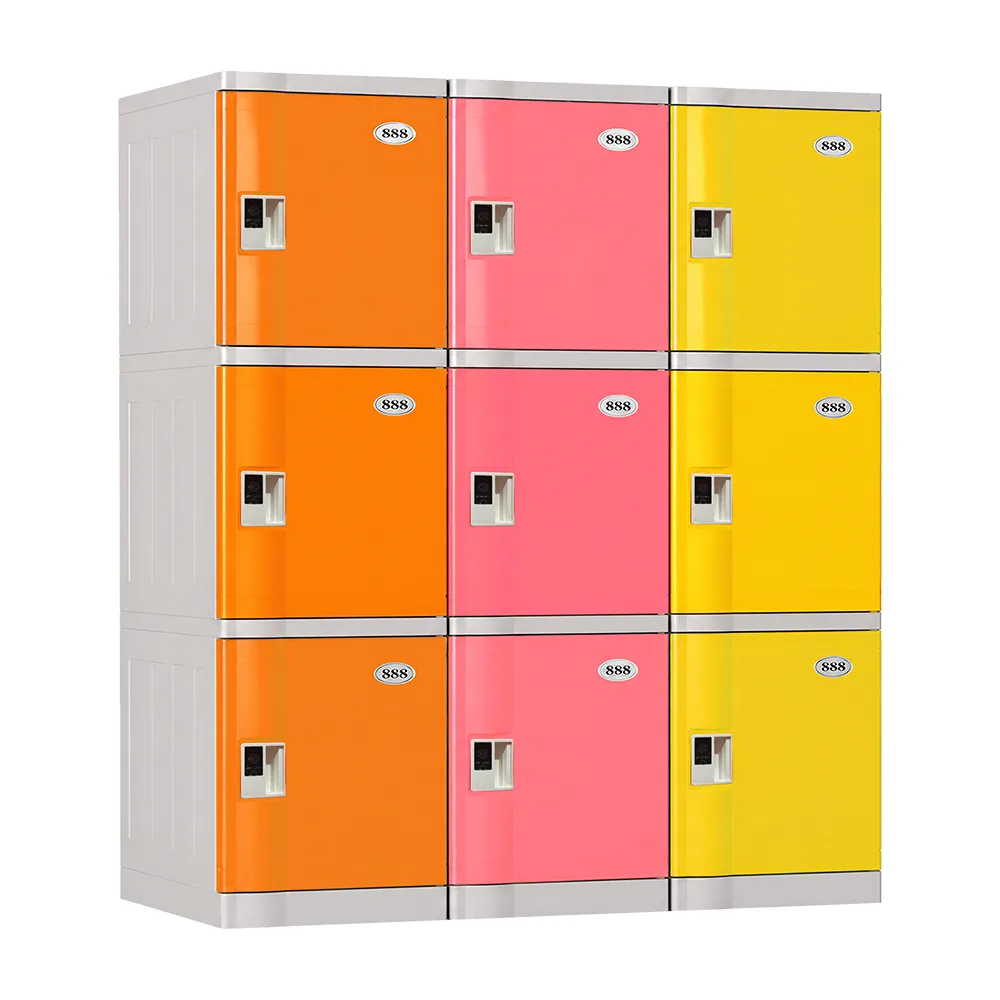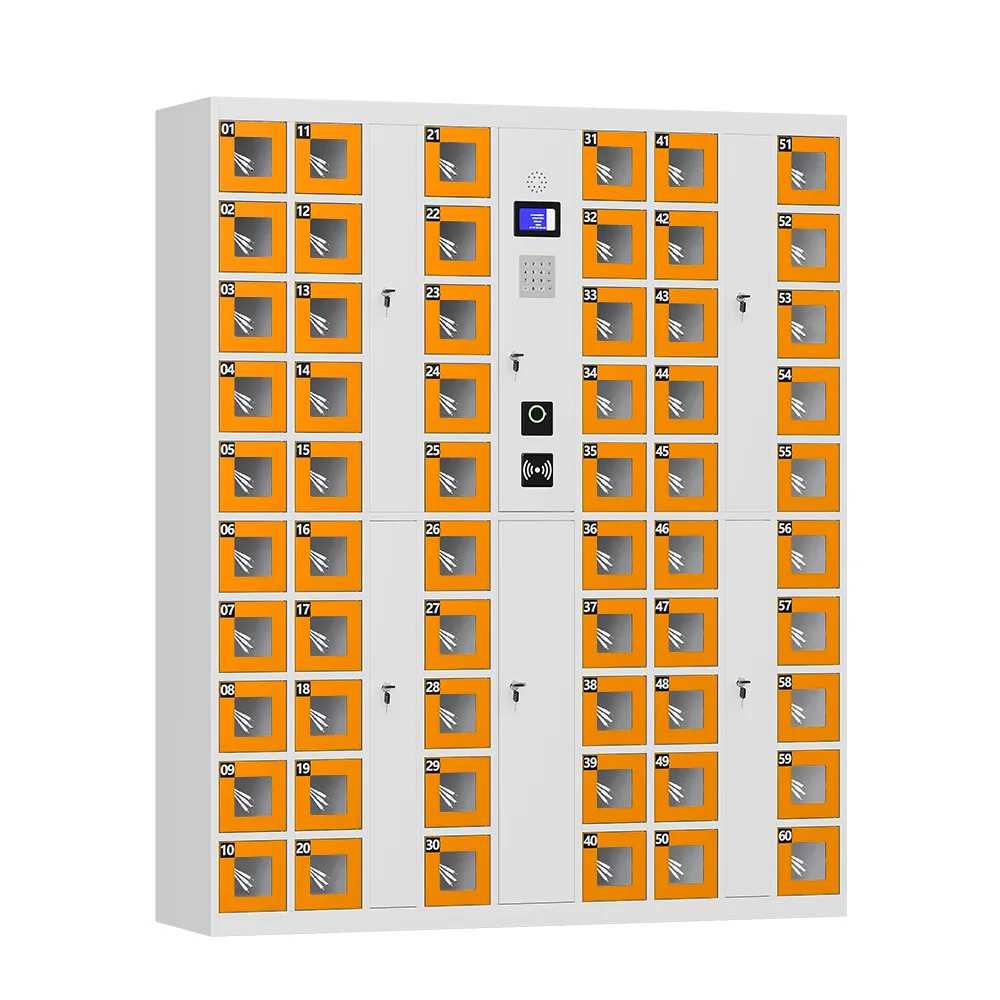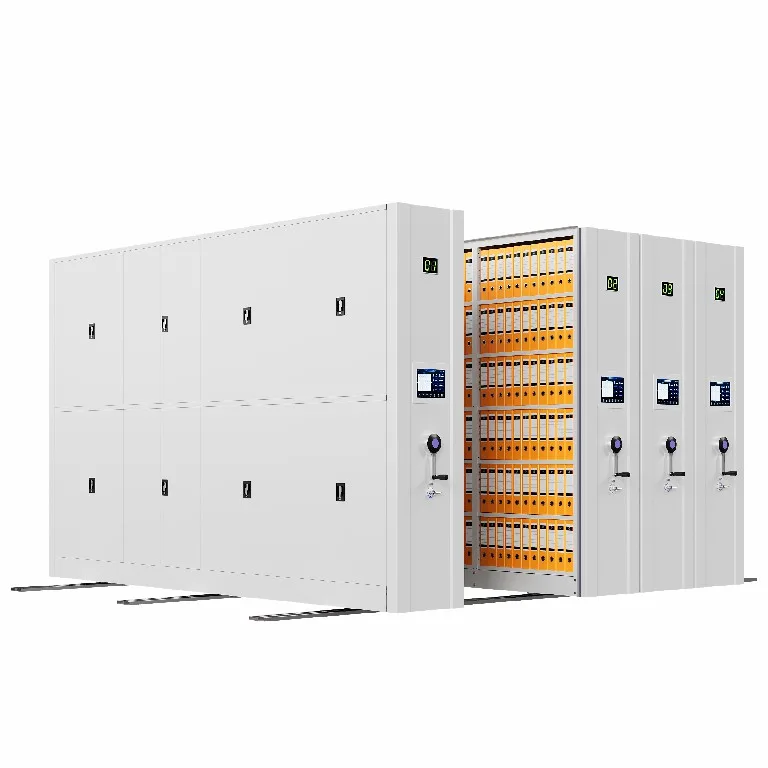

Last-mile delivery now accounts for 30–40% of total parcel shipping costs worldwide, and failed first-attempt deliveries remain the single largest drain on carrier profitability. Smart parcel lockers solve this problem by providing secure, 24/7 self-service pickup — but their real-world performance depends almost entirely on placement. A well-positioned locker bank can hit 80%+ daily utilization and deliver payback in under 12 months, while a poorly placed one may sit idle and never recoup its investment.
Based on global deployment data across mature and emerging markets, this guide breaks down the highest-performing locations, common pitfalls to avoid, and operational best practices to maximize your parcel locker ROI.
8 Highest-Performing Locations for Smart Parcel Lockers
Each location has a distinct user profile, peak usage pattern and optimal placement strategy. There is no universal “best spot” — the goal is to place lockers directly on the natural daily path of your target users, so pickup requires zero extra travel.
1. Residential Communities
Residential buildings are the largest and most consistent use case for parcel lockers globally. Online shopping penetration continues to rise, but 60–70% of working-age residents are away from home during standard delivery hours, leading to high rates of missed deliveries, porch theft and carrier re-delivery costs.
Optimal placement:
- Near the main pedestrian entrance or property management office, where residents pass through daily
- For large multi-phase communities, install one main locker bank at the primary gate and smaller deputy banks at secondary entrances
- Avoid deep inside parking garages or hidden side alleys — visibility drives usage
Performance notes:
- Ideal ratio: 1 locker compartment per 15–25 households for mid-to-high density apartments
- Usage is steady year-round, with peaks during holiday sales and promotional periods
- Long-term contracts with property managers provide stable, recurring revenue
2. Office Parks & Business Districts
Office workers are the second-largest user group. They receive both personal parcels and business documents, samples and supplies during work hours, but most front desks have stopped accepting personal packages due to volume and liability concerns.
Optimal placement:
- Ground-floor lobbies or common areas near main elevators
- Near building exits for after-hours pickup
- For large business parks, place locker banks near cafeteria entrances and shuttle bus stops
Performance notes:
- Peak usage falls on weekday lunch breaks and end-of-day hours
- BPO (business process outsourcing) hubs and shared office spaces deliver especially high utilization, due to high headcount and 24/7 shifts
- Locker systems that integrate with building access control deliver the best user experience
3. University & College Campuses
Students are the most frequent online shoppers of any age group, with 2–3 times the per-capita parcel volume of the general population. Most universities restrict delivery personnel from entering dormitory buildings, creating a massive unmet demand for secure pickup points.
Optimal placement:
- Near dormitory entrances, library foyers and student union buildings
- Adjacent to main dining halls, where students pass at least twice daily
- Near campus gates for off-campus delivery carrier drop-off
Performance notes:
- Usage follows the academic calendar, with peaks during back-to-school season and exam periods
- Small parcel compartments dominate demand — mostly clothing, electronics, books and cosmetics
- Universities often prefer branded or custom-colored lockers that match campus design standards
4. Industrial Parks & Manufacturing Facilities
Factories and industrial parks are often overlooked but deliver surprisingly strong performance. Most are located far from urban centers, employees work long shifts, and nearby parcel pickup options are scarce. Workers value parcel lockers as a practical employee benefit.
Optimal placement:
- Near main factory entrances and staff canteen exits
- Outside dormitory buildings for on-site accommodation
- Avoid heavy vehicle lanes and loading zones for pedestrian safety
Performance notes:
- Peak usage aligns with shift change times
- Outdoor-rated, weatherproof lockers are required for most industrial sites
- Can be offered as a free employee perk or subsidized through small per-use fees
5. Transit Hubs (Subway, Bus, Railway)
Transportation hubs combine extremely high foot traffic with a captive audience of commuters who can pick up parcels on their way to or from work without making an extra trip.
Optimal placement:
- Near station exit gates along the main walking path — not near entrances, where rushing commuters have no time to stop
- At transfer stations, where passengers have longer wait times between lines
- Adjacent to bike parking areas and bus stops for last-mile connection
Performance notes:
- Peak usage during morning and evening rush hours
- Small-to-medium compartment sizes work best; large parcel lockers underperform at transit hubs
- High visibility makes ad display screens on lockers particularly valuable
6. Neighborhood Malls & Supermarkets
Grocery stores and community shopping centers are high-frequency destinations — most people visit 2–3 times per week. Combining grocery runs with parcel pickup fits naturally into existing routines.
Optimal placement:
- Near parking lot pedestrian entrances, between the parking area and store entrance
- Next to customer service desks or exit corridors
- For large malls, place lockers near mall entrances, not deep inside store corridors
Performance notes:
- Neighborhood supermarkets outperform downtown luxury malls — routine grocery trips drive more consistent usage
- Weekend and evening hours see the highest pickup volume
- Locker systems with return capability add extra value for online retailers with physical stores
7. Hospitals & Medical Campuses
Hospitals operate 24/7 with large staff populations working irregular shifts. Nurses, doctors and administrative staff often cannot receive deliveries during patient care hours, and most hospital mail rooms do not accept personal parcels.
Optimal placement:
- Near staff entrances and employee cafeterias
- In ground-floor lobbies of outpatient buildings for visitor use
- Keep well away from emergency entrances, intensive care units and crowded waiting areas
Performance notes:
- Usage is spread across all hours due to rotating shifts
- Easy-to-clean, antimicrobial surfaces are preferred for healthcare environments
- Pilot programs at hospitals show very high employee satisfaction and retention value
8. Civic Centers & Public Service Halls
Government buildings, community centers and city halls see steady daily visitor traffic. People come to apply for documents, pay bills and access services, and often have waiting time before their appointment.
Optimal placement:
- Main entrance lobbies or near service counters
- Outdoor covered areas for after-hours access
- Separate from high-security restricted zones
Performance notes:
- Often deployed as a public service in partnership with local governments
- Lower volume but very stable, long-term usage
- Competition is typically limited due to public procurement processes
5 Locations to Avoid (Common Placement Mistakes)
Not all high-traffic locations perform well. These are the most frequent missteps:
- Narrow back alleys with low visibility— even if foot traffic exists, users avoid isolated areas due to security concerns
- Pedestrian-only zones with no vehicle access— carriers cannot reach the lockers to drop off parcels
- High-crime areas without CCTV coverage— risk of vandalism, theft and forced entry
- Fire lanes and emergency access routes— violate building codes and may require removal
- Steep or uneven ground— complicates installation, causes door alignment issues and reduces service life
Placement & Operation Best Practices
Getting the location right is only the first step. These practices ensure long-term performance and minimize operational friction.
Partnership & Agreement
- Always sign a formal agreement with the property owner or manager that clearly defines:
- Power supply responsibility and metering
- Space rental terms or revenue-sharing split
- Maintenance responsibilities and response times
- Liability and insurance coverage
- For revenue-share models, base splits on actual usage data from the locker management system
Security & Durability
- Choose well-lit positions with existing CCTV coverage where possible
- Outdoor installations require a rain canopy, corrosion-resistant steel construction and IP54+ rated electronics
- Add anchor bolts and anti-pry reinforcement for ground-floor public locations
- All access events are time-stamped and logged for audit purposes
Space & Accessibility
- Leave a minimum of 80cm of clear space in front of locker banks for user maneuvering
- Include at least one wheelchair-accessible compartment height per bank
- Avoid blocking walkways, door swings or emergency exits
- Consider queuing space for peak hours at high-volume locations
Ongoing Operation
- Schedule regular maintenance checks — touchscreens, scanners and door latches are the most common failure points
- Set a maximum 24-hour response time for fault repairs
- Clean interiors and exteriors on a scheduled basis, especially for outdoor units
- Monitor usage data monthly — if a location consistently underperforms, relocate it rather than leaving it idle
ROI Benchmark by Location
Payback periods vary significantly by market, rental costs and pricing model. Below are global benchmarks for standard 40-door locker banks:
| Location Type | Typical Daily Utilization | Estimated Payback Period |
| University campuses | 70–90% | 8–12 months |
| Office parks | 60–80% | 10–15 months |
| Residential apartments | 50–75% | 12–18 months |
| Supermarkets & malls | 45–65% | 14–20 months |
| Transit hubs | 40–60% | 16–24 months |
| Industrial parks | 40–60% | 18–24 months |
Market-Specific Placement Strategy
Mature Markets (North America, Western Europe)
- Focus on infill locations — fill gaps in existing locker networks
- Prioritize premium locations with low competition
- Emphasize integration with existing carrier platforms and building management systems
- Customization and branding are key differentiators
Emerging Markets (Southeast Asia, Latin America, MENA)
- First-mover advantage is significant — lockers are still new to most cities
- Prioritize high-density residential buildings and university campuses first
- Price sensitivity is higher — focus on standard models with essential features
- Local distributor partnerships accelerate site access and permitting
Final Thought
The number one rule of parcel locker placement is simple: meet users where they already go, don’t make them go out of their way. A location with 5,000 daily passersby who match your target user will outperform a location with 50,000 random pedestrians every time.
Start with one pilot location, measure real usage patterns, then scale based on data rather than assumptions. The best parcel locker networks are built incrementally, not all at once.
For custom locker configurations, site planning support or wholesale pricing for your deployment project, contact our team for a tailored solution.