
Enhance Member Experience & Operational Efficiency: A Complete Procurement Framework
In fitness facility operations, lockers are a critical service node connecting the front desk, changing rooms and training areas. Traditional mechanical lockers rely on manual key distribution and paper-based management, which not only delivers low efficiency but also causes persistent issues including lost keys, hoarded compartments, theft and hygiene blind spots. As the fitness industry evolves toward digitalization, unmanned operation and experience-driven services, smart lockers are shifting from an “optional amenity” to standard infrastructure, reshaping both the member storage experience and facility management efficiency.
This guide systematically breaks down the procurement decision framework for gym smart lockers — from product definition, feature selection and space planning to cost calculation and implementation best practices — to help facility operators select solutions that truly fit their operational needs.
1. What Are Gym Smart Lockers?
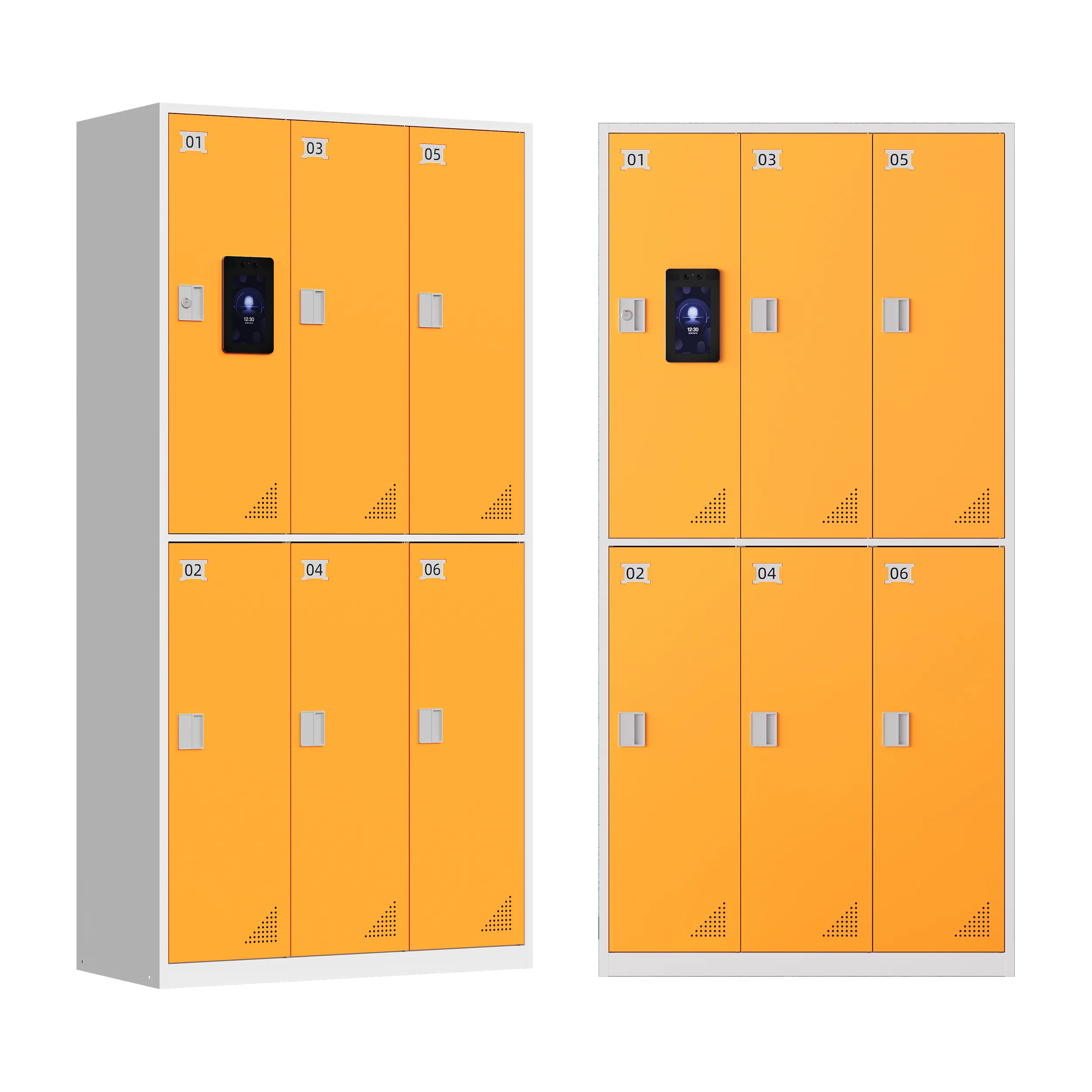
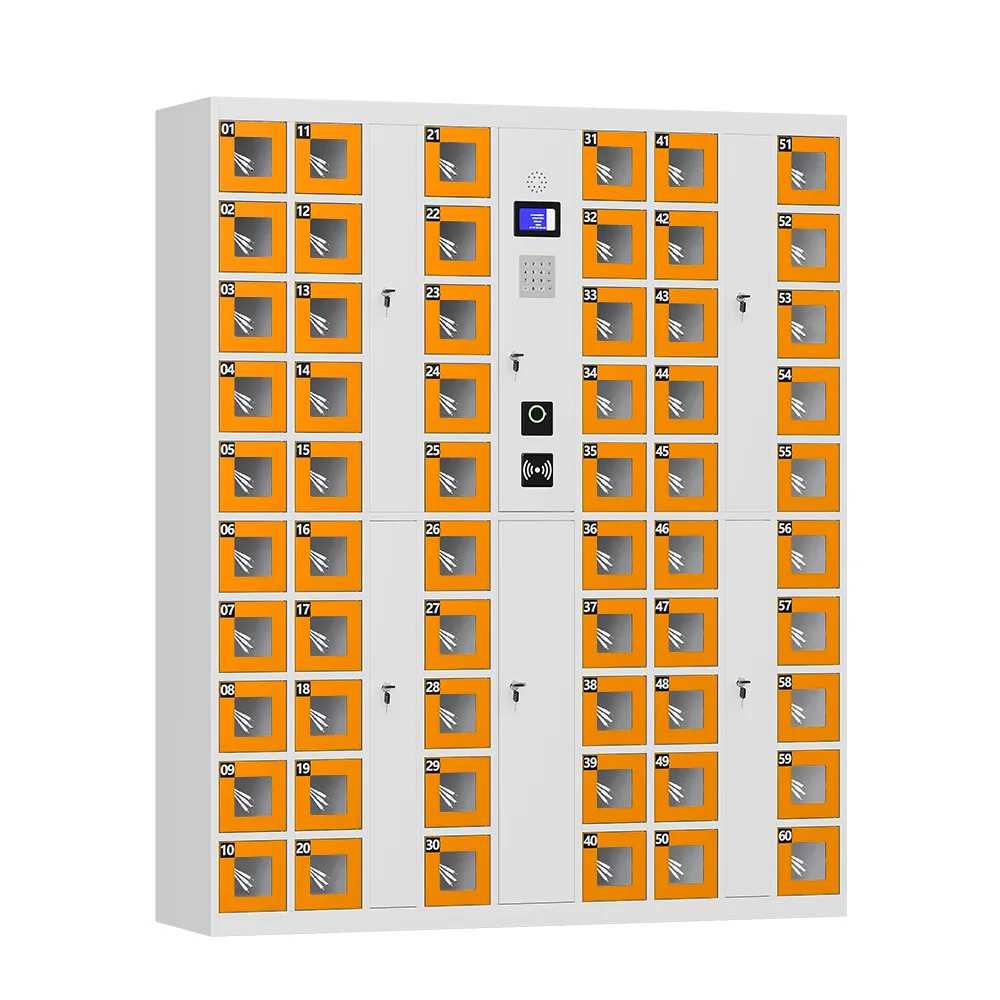
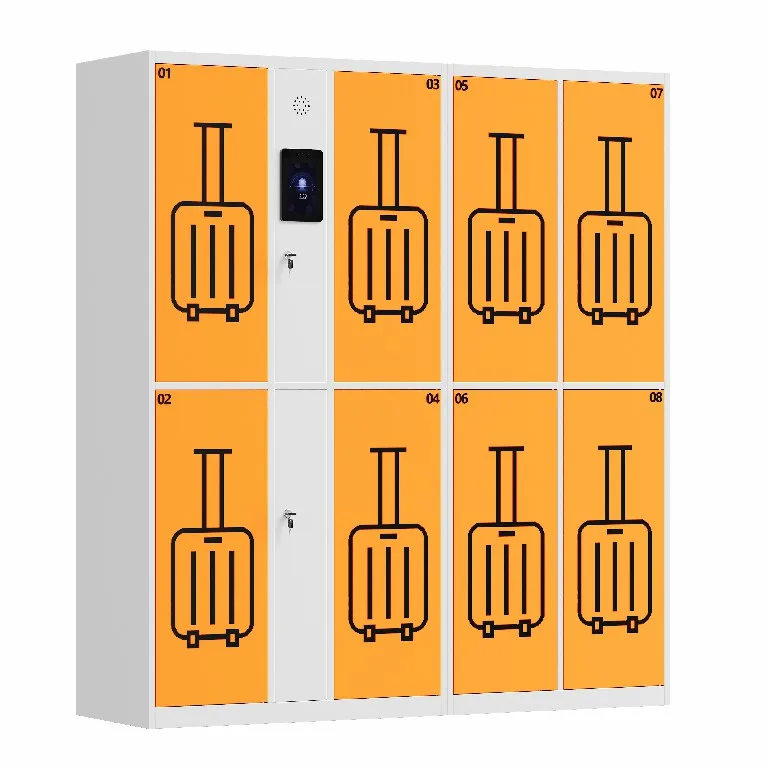
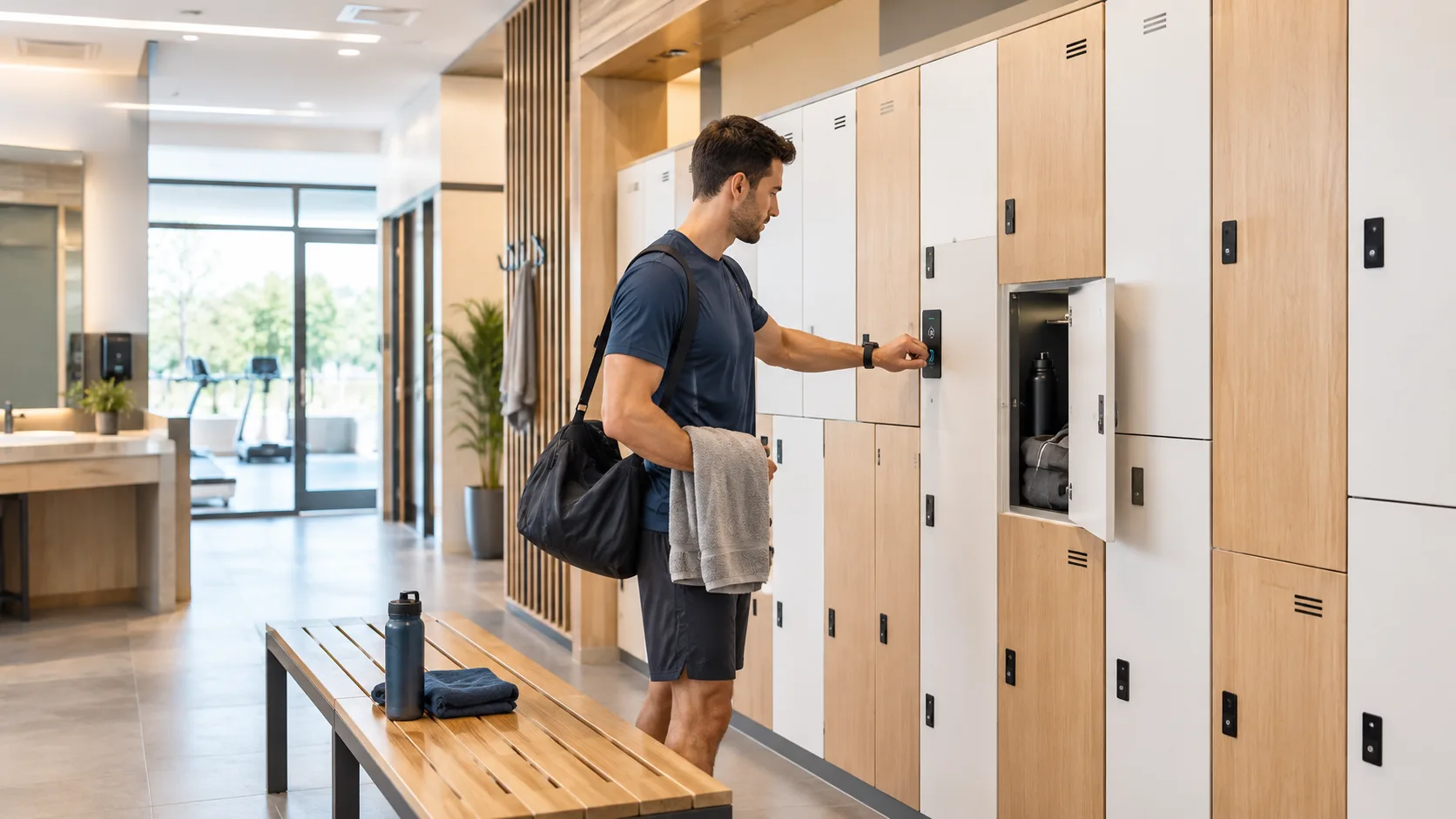
Gym smart lockers are digital storage systems purpose-built for fitness clubs, swimming pools and sports centers. Built around electronically controlled locks, they integrate identity verification, human-machine interaction and cloud-based management to replace traditional mechanical keys and manual administration.
A complete system consists of three layers:
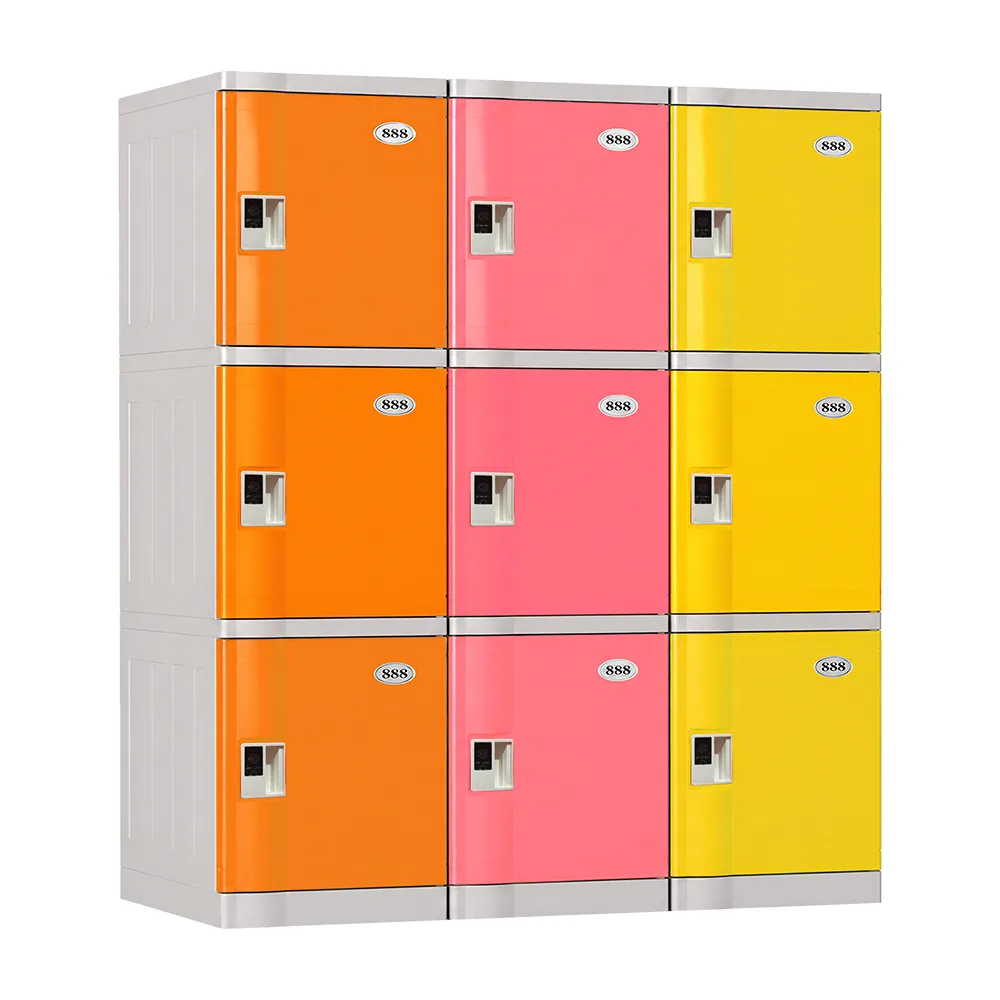
- Terminal cabinets: steel or composite locker bodies with electronic locks and touch-control panels
- Authentication modules: support RFID wristbands, membership cards, QR codes, PIN codes and fingerprint access
- Management backend: cloud-based or on-premise platform for real-time status monitoring, access log tracking, remote unlock control and operational reporting
Unlike general office lockers, gym smart lockers are optimized for high foot traffic, high turnover and short-duration use cases. They support auto-assignment, timed auto-release and peak-time scheduling, while meeting hygiene requirements such as moisture resistance, rust prevention and easy cleaning.
2. 7 Core Pain Points of Traditional Gym Lockers
The problems exposed by traditional mechanical lockers in modern fitness operations are exactly where smart lockers deliver value:
- High key management cost— each lock matches one physical key; frequent replacement of lost or broken keys drives up long-term maintenance expense
- Permanent compartment hoarding— members occupy the same locker long-term, leaving new arrivals with no available units during peak hours and wasting facility space
- Elevated security risks— mechanical locks are vulnerable to picking and key duplication; theft disputes expose the facility to joint liability
- Frequent manual intervention— lost keys, jammed locks and forgotten items all require front-desk staff to resolve, consuming significant service time
- Poor hygiene standards— gaps, corners and crevices trap sweat and bacteria; rust and mold develop easily in humid environments
- No operational data visibility— no way to measure utilization rates, peak hours or idle duration; space planning relies on guesswork
- Disconnected brand experience— outdated key lockers clash with a gym’s modern interior and digital brand image
3. 8 Core Functions of Gym Smart Lockers
3.1 Multi-Mode Authentication
Supports RFID wristbands, membership cards, QR codes, PIN codes and fingerprint access. Facilities can choose flexibly based on security level and member habits. Premium venues can add face recognition for fully contactless access.
3.2 Automatic Compartment Assignment
The system automatically identifies and assigns available lockers to users without manual allocation. This prevents permanent hoarding and dramatically improves turnover. During peak hours, dynamic “first-come, first-served” allocation maximizes capacity.
3.3 Timed Auto-Release
Maximum storage duration can be set per compartment; lockers automatically release after timeout to prevent all-day occupancy or items left behind after closing, ensuring smooth evening cleaning and next-day operations.
3.4 Cloud-Based Remote Management
Operators can view real-time locker status across the facility, perform remote emergency unlocks, review access logs and export operational reports via desktop or mobile backend — no on-site patrol required. Multi-site chains can achieve centralized management across all locations.
3.5 Access Audit Trail
Every unlock, lock and abnormal operation is time-stamped and traceable to user, time and compartment number. In case of property disputes, incidents can be investigated quickly and liability boundaries clarified, reducing operational risk.
3.6 Membership System Integration
Connects with existing gym membership and access control systems to enable a seamless flow: “card entry → auto locker assignment → workout → release on exit” — one card works everywhere in the facility.
3.7 Role-Based Permission Control
Supports tiered access for administrators, front desk, cleaning staff and other roles. Different positions get different operation permissions, balancing efficiency and security.
3.8 Data-Driven Operational Insights
The system automatically generates reports on utilization rate, peak-hour distribution, average usage duration and idle rate, providing data support for space optimization, staffing scheduling and service upgrades.
4. 5 Access Methods: Comparison & Selection
Different access methods vary significantly in security, convenience and cost, and should be chosen based on facility positioning and member demographics:
表格
| Kaedah Akses | Keselamatan | Convenience | Cost | Recommended Scenario |
| RFID wristband / membership card | Medium-High | High | Medium | Full-service gyms, pools with existing membership cards |
| PIN code | Medium | Medium | Low | Budget facilities, high temporary visitor volume |
| QR code (mobile) | Medium-High | High | Medium | Boutique studios with young, tech-savvy members |
| Fingerprint recognition | High | High | Medium-High | Mid-to-premium gyms, personal training studios |
| Face recognition | Very High | Very High | High | Premium flagship clubs, 24/7 unmanned gyms |
Selection tip: Most general gyms are best served by a dual “RFID wristband + PIN” mode. Members use their card for daily access, with PIN as backup when the card is forgotten — balancing cost and experience.
5. Use Cases & Capacity Planning
5.1 Four Typical Facility Types
表格
| Facility Type | Recommended Configuration | Core Requirement |
| Full-service fitness club | Full-height steel cabinets + RFID wristbands + membership system integration | High capacity, high turnover, unified management |
| Swimming pool / aqua center | Waterproof & rust-proof cabinets + wristband keys | Moisture resistance, corrosion protection, quick access |
| Yoga / dance studio | Half-height or small compartments + fingerprint / QR access | Light storage, aesthetics, quiet operation |
| 24/7 unmanned gym | Full smart system + face recognition + remote backend | Unattended operation, maximum security, full self-service |
5.2 Capacity Planning Formula
Locker quantity should not be based on total membership count, but on peak concurrent occupancy. The industry standard formula is:
Required lockers = Peak concurrent users × Storage adoption rate × (1 + Buffer factor)
Parameter reference:
- Peak concurrent users: take the higher of morning peak (6–9am) and evening peak (5–9pm)
- Storage adoption rate: ~70–80% for general gyms, ~50–60% for yoga studios, close to 100% for swimming pools
- Buffer factor: 10–25% recommended, to accommodate membership growth, walk-in traffic and equipment downtime
Example: A gym with 80 peak concurrent users Calculation: 80 × 75% × (1 + 20%) = 72 lockers
Industry rule of thumb: Average gyms can estimate at 1 locker per 1.5–2 peak members. A more conservative 3:1 ratio (1 locker per 3 members) works for large chains with big membership bases and dispersed attendance.
5.3 Compartment Size Guidance
Standard single compartment: 300mm wide × 450mm deep × 1800mm high (full-height single door), accommodating gym bags, towels, clothing, shoes and full workout gear.
Space-constrained facilities can choose double-tier layouts (two rows stacked vertically), increasing capacity by ~60% in the same footprint — ideal for yoga studios and facilities with lighter storage needs.
6. 6 Core Benefits of Gym Smart Lockers
6.1 Elevated Member Experience
No keys to carry, no front-desk registration needed — tap or scan to access, fully self-service with zero waiting. This is especially valuable during peak arrival times, eliminating queues and frustration.
6.2 Reduced Operating Costs
Cuts front-desk labor spent on locker administration; key replacement and lock maintenance costs drop to near zero. For a mid-size facility, estimated annual labor and material savings range from $2,000–$4,000.
6.3 Enhanced Security & Risk Mitigation
Anti-pry electronic locks and fully traceable access dramatically reduce theft risk and disputes. Administrators can unlock remotely in emergencies, responding faster to incidents.
6.4 Improved Space Utilization
Dynamic allocation eliminates permanent hoarding, lifting locker turnover by 30–50%. The same footprint serves more members, or allows reducing changing room area to free up training space.
6.5 Data-Driven Operations
Locker usage data reveals traffic patterns, helping optimize class scheduling, staffing shifts and cleaning routines — shifting decisions from experience-driven to data-driven.
6.6 Upgraded Brand Image
Sleek, modern cabinets and digital operation align with a gym’s tech-forward, youthful brand identity, creating a differentiator in members’ social sharing.
7. Material & Construction Selection
7.1 Three Main Cabinet Materials Compared
表格
| Bahan | Advantages | Disadvantages | Recommended Scenario |
| Cold-rolled steel | High strength, anti-pry, durable, moderate cost | Requires rust-proofing in humid areas | Most general gyms, 24/7 facilities |
| HPL (High-Pressure Laminate) | Waterproof, mold-resistant, wide color range, premium finish | Higher cost, less pry-resistant than steel | Swimming pools, spa clubs, premium fitness clubs |
| ABS plastic | 100% waterproof, rust-free, lightweight, vibrant colors | Lower pry resistance, lower heat tolerance | Water parks, beach facilities, shower areas |
Construction tip: Prioritize fully welded frames, concealed hinges and anti-pry door edges. Lockers in public areas must include wall-anchoring kits to prevent tipping.
7.2 Hygiene Design 要点
- Choose smooth, seamless, low-profile designs with rounded corners for easy daily disinfection
- Include ventilation holes inside compartments to prevent odor and mold buildup
- Moisture zones require rust-proof material or anti-corrosion coating
8. Integration with Gym Management Systems
The full value of smart lockers is unlocked by integration with a facility’s existing systems:
- Membership sync— member profile data synchronizes; activation, suspension and upgrades automatically update locker access
- Access control linkage— locker auto-assigned on entry, auto-released on exit
- Billing integration— support for overtime fees, pay-per-use packages and value-added service charging
- Data platform connection— locker data feeds into the facility’s operational data lake to build complete member profiles
- Open API— supports secondary development and customized features to fit unique operational needs
Procurement tip: Confirm upfront whether the supplier provides standard API interfaces and has integration cases with leading gym SaaS platforms — avoid “data silos” after deployment.
9. 8-Point Procurement Checklist
- Lock quality— electronic lock rated for ≥100,000 cycles; includes emergency mechanical key for power failure
- Cabinet construction— steel thickness ≥0.8mm (1.0–1.2mm recommended for public areas); uniform powder coating
- System reliability— supports offline operation with local data caching, auto-sync when reconnected
- Management backend— web and mobile access; includes status monitoring, remote unlock, log query and data export
- Safety certifications— locks with CE/FCC certification; cabinets meet fire safety standards
- Customization capability— size, color, logo and compartment mix configurable to match facility interior
- After-sales support— ≥1-year full warranty, ≥2-year lock warranty, remote technical support and spare parts supply
- Installation service— supplier handles on-site installation, commissioning and staff training for turnkey delivery
10. Implementation Best Practices
10.1 Placement & Layout
- Position lockers near changing room entrances, not deep inside, to avoid cross-traffic
- Reserve ≥80cm wide access aisle to prevent congestion during peak hours
- Control panel height 1.2–1.4m for ergonomics and wheelchair accessibility
- Avoid direct water spray areas; install waterproofing and grounding protection in humid zones
10.2 Pre-Launch Preparation
- Publish clear locker usage rules, including duration limits, overtime policy and lost-item procedures
- Train front-desk and cleaning staff on system operation and basic troubleshooting
- Post clear visual instructions to reduce member learning curve
10.3 Operational Optimization
- Monitor daily utilization data for the first month; adjust allocation strategy based on actual peak patterns
- Export monthly operational reports to evaluate capacity fit
- Perform quarterly cabinet cleaning and lock maintenance to extend service life
10.4 Phased Rollout
For large facilities, pilot in one zone first, validate usage and member feedback, then expand. For chains, standardize the solution at one location before replicating across sites.
11. Industry Trends
- Wider biometric adoption— fingerprint and face recognition becoming standard in mid-to-premium gyms, moving toward fully contactless experiences
- Feature convergence— lockers integrating wireless phone charging, UV sanitization and drying functions to increase per-unit value
- AI-powered scheduling— historical data predicts peak demand and dynamically adjusts allocation to optimize idle rates
- Modular design— standard cabinet modules freely combine in size and quantity to fit different spaces
- Sustainability focus— low-power electronics and eco-friendly materials align with fitness industry sustainability trends
- Expanded use cases— extending beyond changing rooms to front-desk bag check, training-area personal item storage and more touchpoints
12. Soalan Lazim
Q: What happens when the power goes out? A: Quality systems include backup batteries or UPS that maintain normal operation for 4–8 hours. Emergency mechanical keys are also provided for manual access in extreme cases.
Q: What if a member forgets their code or can’t open their locker? A: Front-desk staff can unlock remotely via the management backend with one click, or use an admin PIN on-site. All actions are logged.
Q: Do smart lockers compromise member privacy? A: The system only records compartment usage logs and timestamps. Biometric templates (fingerprint/face) are stored encrypted; raw biometric data is not retained, complying with data protection regulations.
Q: Can smart lockers be retrofitted in existing gyms? A: Yes. Modular cabinets require no complex construction — just wall anchoring and power connection. In most cases, no structural modification to walls or floors is needed.
Q: Can one system manage multiple locker banks? A: Yes. A single backend can manage multiple groups across different zones and floors, with unified permission control and data reporting — ideal for large facilities and chains.
Kesimpulan
Gym smart lockers are more than just storage furniture — they are an important terminal in a facility’s digital operation stack. They address not only storage needs but also touch member experience, operational efficiency, security risk management and data-driven decision-making. Choosing a smart locker solution that matches your facility positioning, with a stable system and comprehensive after-sales support, delivers a measurable lift in member satisfaction and management efficiency at a controlled investment, creating a differentiated service advantage in a competitive fitness market.
For a custom locker configuration tailored to your specific facility size, membership scale and budget, contact our professional team for free planning, design and quotation.
 Phone/WhatsApp: +86 17737721702
 Email: young@lyyoubao.com