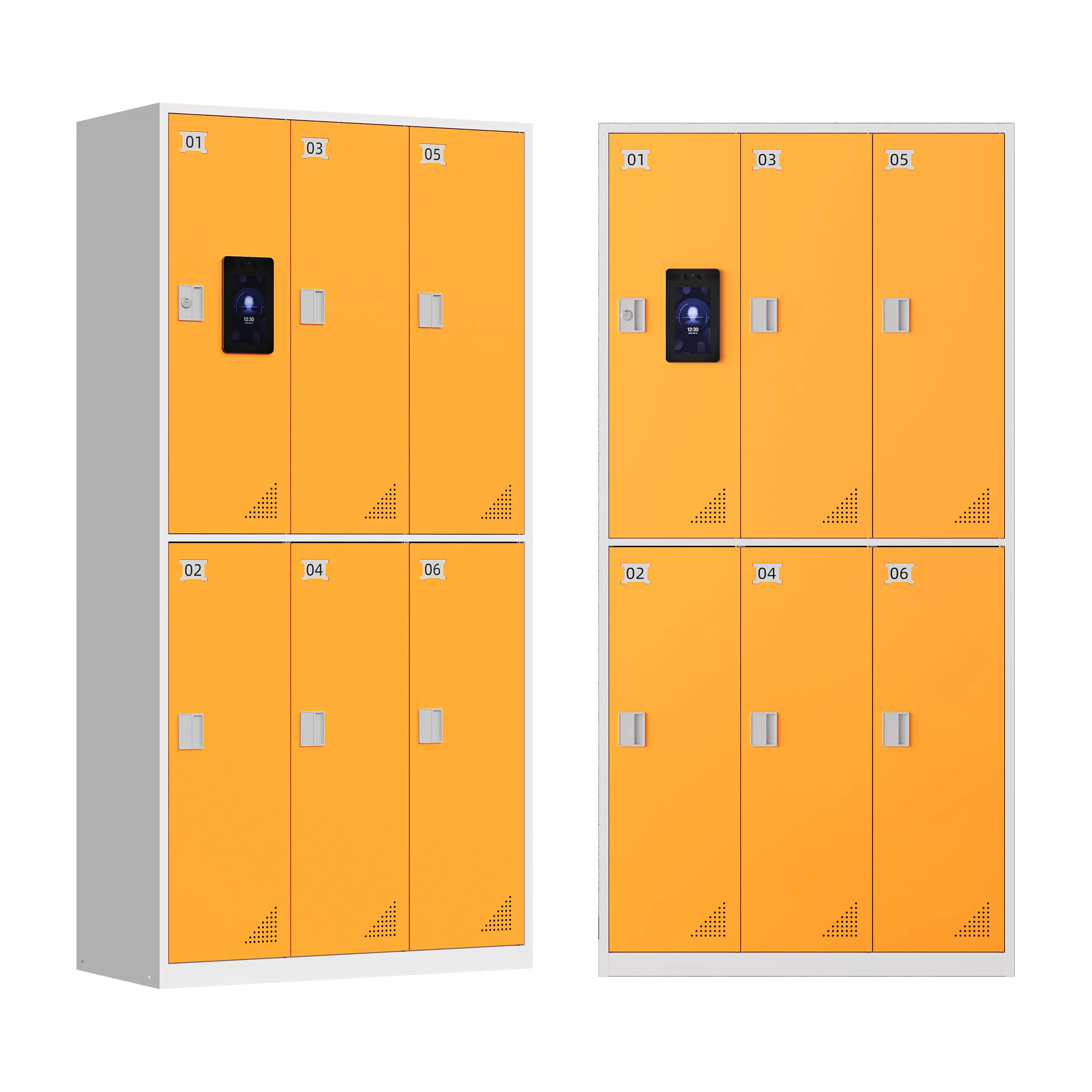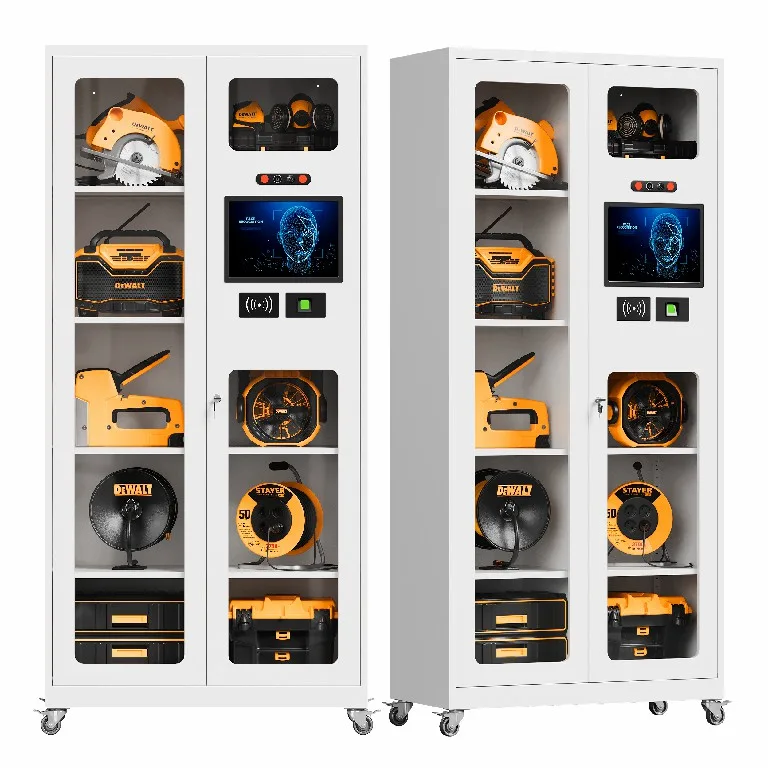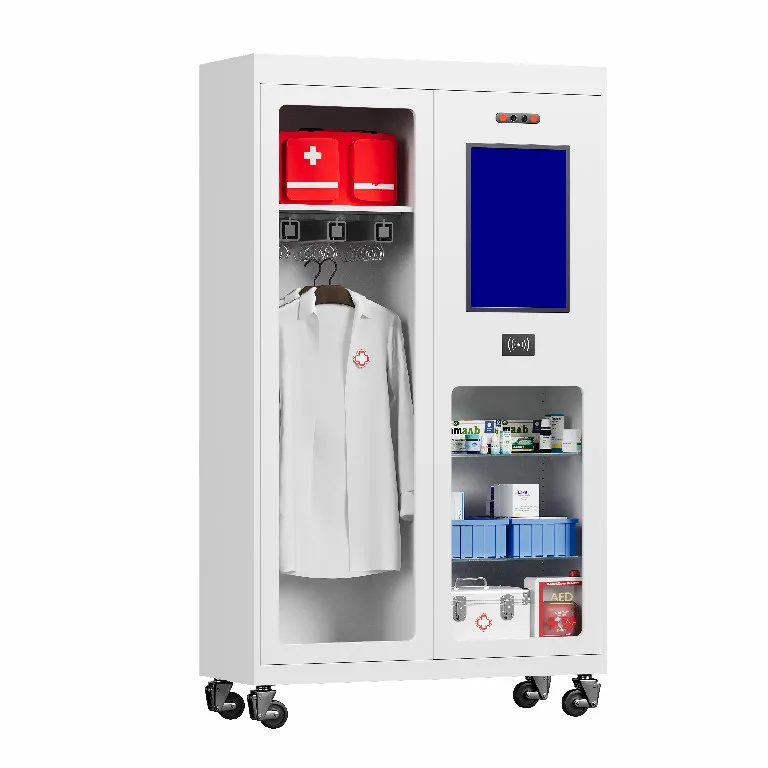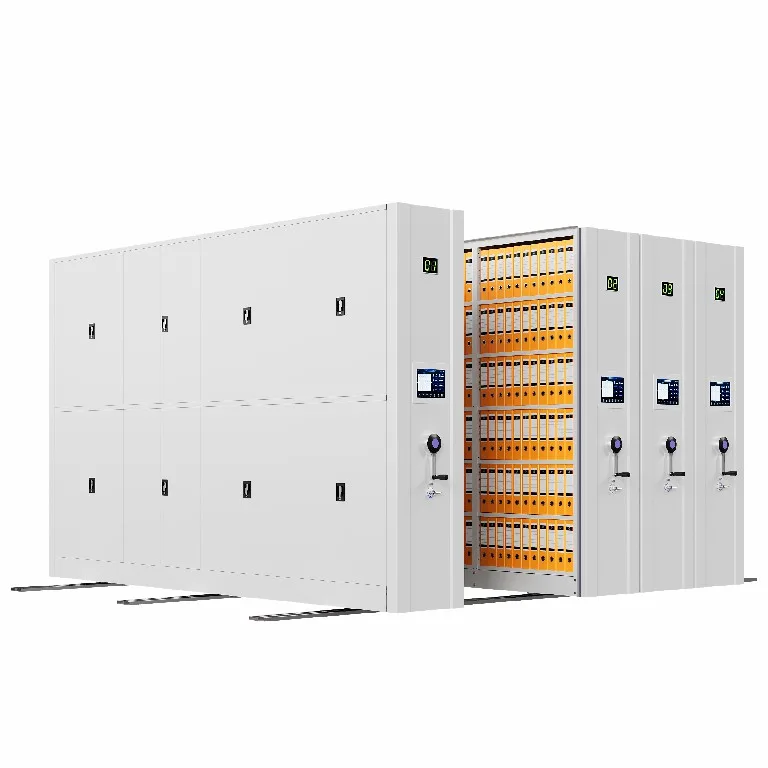

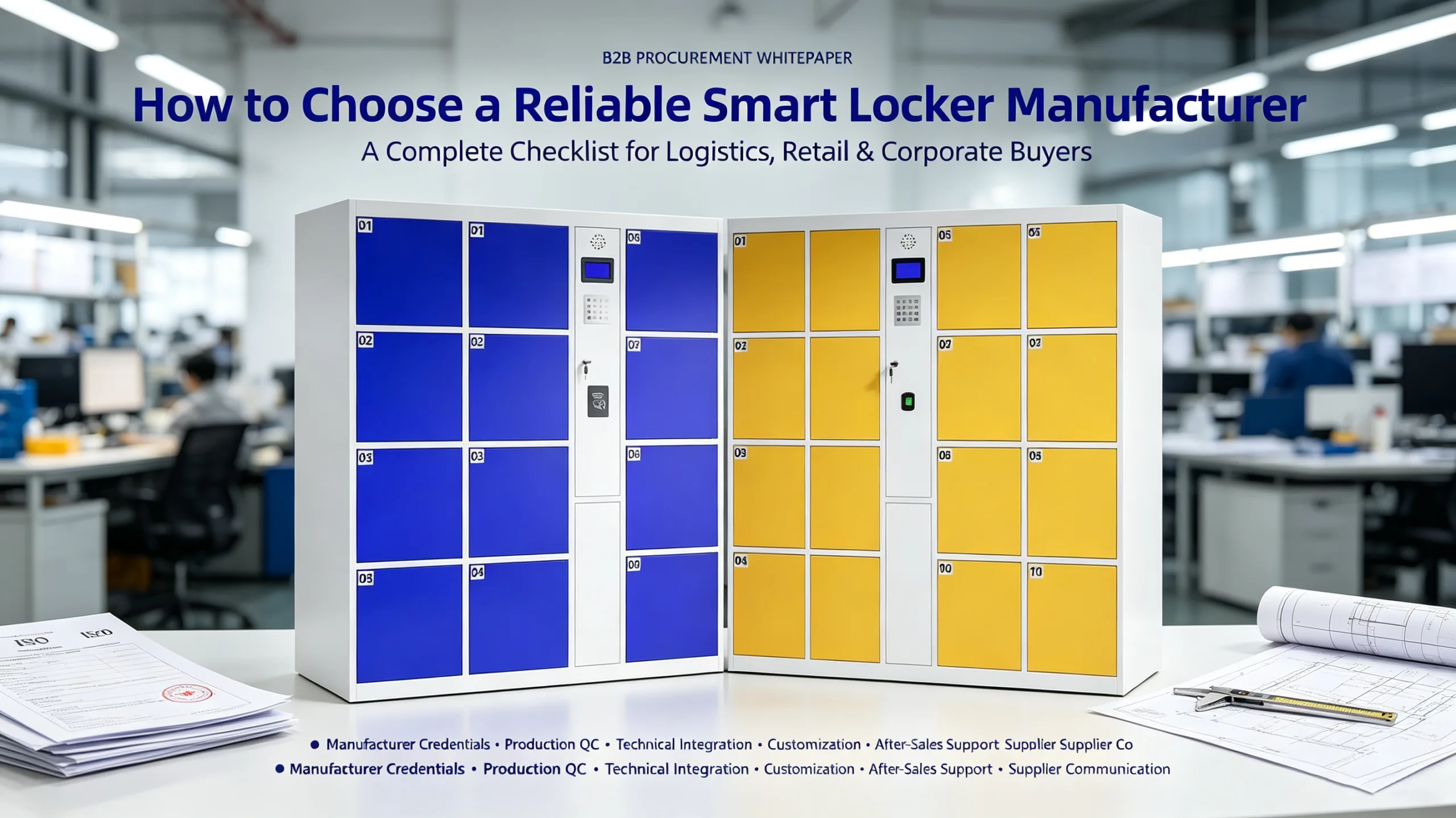
A detailed quotation can outline a smart locker supplier’s product offerings and pricing structures, but it rarely reveals critical details about production consistency, software integration compatibility, or post-installation support quality. For B2B buyers, selecting a reliable smart locker manufacturer requires far more than comparing price tags and basic specifications—it demands a thorough evaluation of the supplier’s operational credibility, technical capabilities, manufacturing standards, and long-term partnership reliability.
This guide walks procurement teams through the key steps to vet potential smart locker manufacturers, helping you make an informed decision that aligns with your project goals, operational needs, and long-term cost expectations. Whether you’re sourcing smart lockers for parcel delivery, food service, asset management, or commercial storage, these checks will minimize risks and ensure a seamless partnership with your chosen manufacturer.
Verify the Supplier’s Corporate Credibility and Operational History
The first step in vetting a smart locker manufacturer is to confirm its legitimacy and track record through independently verifiable information. A reputable supplier should provide transparent details including its registered business name, physical headquarters, official contact information, and years of industry experience. These details form the foundation of due diligence, ensuring you can hold the manufacturer accountable for contractual obligations and product performance.
While a long operational history doesn’t guarantee a perfect fit for every project, it offers tangible evidence of the manufacturer’s ability to navigate market changes, deliver consistent products, and resolve operational challenges. Avoid suppliers with limited public information, newly launched sales platforms, or vague business backgrounds—these red flags often signal higher risks of delivery delays, quality inconsistencies, or poor post-sales support for your smart locker investment.
Look Beyond Product Samples: Evaluate Production Consistency
A product sample showcases what a smart locker manufacturer can produce once, but commercial orders depend on the supplier’s ability to maintain uniform quality across large-scale production runs. Before finalizing a partnership, focus on the systems and processes that ensure consistency from the first unit to the last. Key areas to investigate include material sourcing, incoming material inspection protocols, in-production quality checks, and pre-shipment testing procedures implemented by the manufacturer.
Critical Questions to Ask About Production Consistency
- Where are the smart lockers manufactured, and what quality management systems govern the manufacturer’s production facility?
- How does the manufacturer inspect raw materials and components to ensure they meet industry and project-specific standards for smart locker production?
- What quality checks are performed at each production stage by the manufacturer, and how are defects addressed during smart locker manufacturing?
- How are hardware and software revisions documented by the manufacturer, and how does the supplier ensure consistency across repeat smart locker orders?
- Can the manufacturer provide production records and inspection reports for similar past smart locker projects?
Reputable smart locker manufacturers adhere to international quality standards such as ISO 9001, which demonstrates a commitment to consistent quality management in smart locker production. For B2B buyers, these certifications are a starting point for deeper conversations about production schedules, quality responsibilities, and contingency plans for production delays with the supplier.
Assess End-to-End Engineering and Technical Capabilities
Modern smart lockers are complex integrated systems, not just metal cabinets with electronic locks. Depending on your application, the system may include touchscreen interfaces, access control systems, temperature regulation, payment processing hardware, remote monitoring software, and third-party API integrations. A reliable smart locker manufacturer must have the engineering expertise to ensure all components work seamlessly together after installation.
When evaluating technical capabilities, ask the manufacturer to explain how they coordinate mechanical design, electronic components, and software workflows in their smart locker systems. Look for suppliers with experience across diverse applications, as this indicates a proven ability to solve complex technical challenges in smart locker production. Common use cases for smart lockers include:
- Intelligent parcel delivery lockers for e-commerce and logistics
- Temperature-controlled food pickup lockers for restaurants and grocery stores
- Smart vending machines for commercial retail and workplace use
- Asset management and storage lockers for industrial and corporate facilities
- Charging and battery-swapping cabinets for electric vehicles and mobile devices
- Medical storage and dispensing solutions for healthcare facilities
While broad industry experience is valuable, prioritize manufacturers with direct experience in your specific use case. This ensures the supplier understands the unique requirements of your smart locker project, such as environmental conditions, user workflow, and compliance standards.
Clarify Customization Capabilities and Limitations
“Customizable” is a widely used term in industrial equipment sales, but its meaning varies significantly across smart locker manufacturers. For some, it refers only to cosmetic changes like exterior colors and logos on smart lockers; for others, it includes structural modifications, software adjustments, and integration with existing systems. To avoid misunderstandings, define your customization requirements clearly and verify the supplier’s ability to deliver them.
Key Customization Details to Outline in Your Requirements
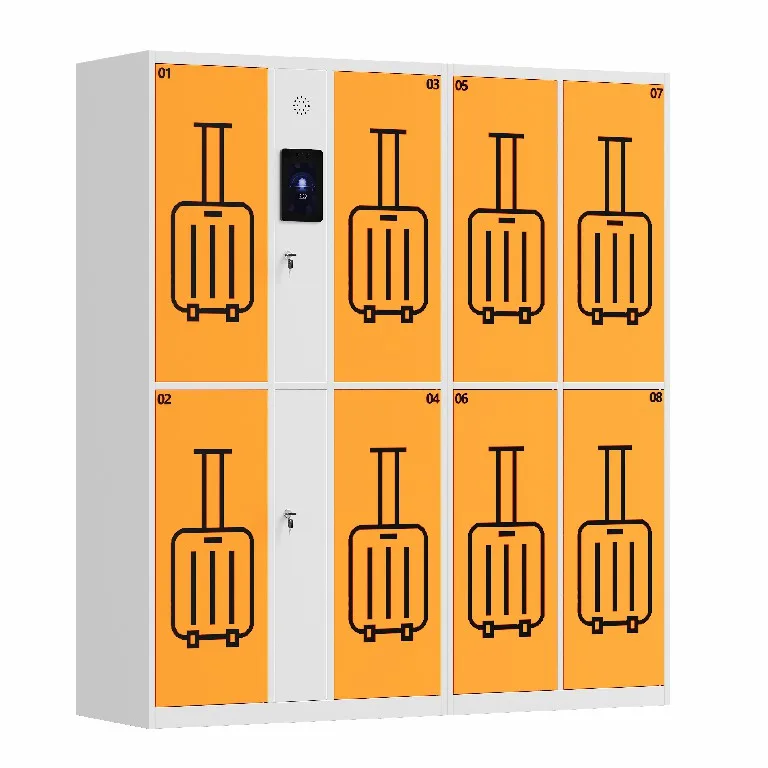
- Overall dimensions and compartment layout of the smart locker to fit your available space and usage needs
- Cabinet materials and durability requirements of the smart locker for indoor or outdoor installation
- Environmental controls for the smart locker, including ambient, heated, refrigerated, or frozen storage options
- Access and identity verification methods for the smart locker (e.g., QR codes, RFID, PIN codes, facial recognition)
- Compliance of the smart locker with local voltage and electrical safety standards
- Payment processing methods and settlement system integrations for the smart locker
- User interface language, branding, and accessibility features of the smart locker
- API compatibility and integration of the smart locker with your existing software or third-party platforms
A trustworthy smart locker manufacturer will not agree to every customization request without thorough evaluation. They should provide clear insights into which features are standard, which require additional development time and cost, and which may involve practical trade-offs. This transparency ensures your project stays within budget and avoids unexpected delays.
Evaluate Post-Sales Support and Long-Term Service
Post-sales support is a critical factor in the total cost of ownership for smart lockers, yet it is often overlooked during the manufacturer selection process. Before placing an order, confirm the supplier’s support framework for installation, technical troubleshooting, spare parts, and warranty coverage. This is especially important for international projects or multi-location deployments, where timely support can minimize operational downtime.
Essential Post-Sales Support Questions to Address
- Who provides first-line technical support for the smart locker, and what are the response times for critical issues?
- Which technical problems can be diagnosed remotely, and which require on-site support from the manufacturer?
- Are comprehensive operating manuals, training materials, and setup guides included with the smart locker from the manufacturer?
- How are replacement parts identified, ordered, and delivered, and what is the lead time for critical components from the manufacturer?
- What information is required to report and resolve faults with the smart locker efficiently?
- How are software updates, security patches, and configuration changes managed post-installation by the manufacturer?
Reputable smart locker manufacturers offer clear warranty terms (typically a minimum of one year from acceptance) and can customize support plans to fit your project’s needs. Always confirm these details in the sales contract, as verbal agreements may not hold up in the event of a dispute with the supplier.
Assess Communication Quality and Collaborative Approach
Trust between a B2B buyer and smart locker manufacturer is built through consistent, transparent communication throughout the sales and production process. A supplier that prioritizes collaboration will take the time to understand your project’s unique needs, ask detailed questions about your use case, and provide clear explanations for their recommendations.
Signs of a Reliable Collaborative Partner
- Does the supplier ask in-depth questions about your smart locker application, workflow, and long-term goals?
- Are revised specifications and technical details for the smart locker documented clearly and shared with your team?
- Can the sales and engineering teams explain why a proposed configuration is suitable for your smart locker needs?
- Are limitations and potential challenges of the smart locker discussed openly, rather than hidden to secure the order?
Consistent communication reduces the risk of misalignment and ensures that your expectations for the smart locker are met throughout the project lifecycle. It also indicates whether the supplier views your partnership as a one-time sale or a long-term collaborative relationship.
Final Thoughts: Build Trust Through Verifiable Details
No single certificate, product sample, or factory visit can guarantee a perfect partnership with a smart locker manufacturer. True confidence in a supplier comes from consistent, verifiable details across every stage of the process—from initial inquiry and production to post-sales support. By prioritizing transparency, technical expertise, and collaborative communication, you can select a manufacturer that not only delivers high-quality smart lockers but also supports your business’s long-term success.
Before engaging with any smart locker manufacturer, prepare a detailed brief outlining your intended application, location, capacity requirements, workflow, software integrations, and local compliance standards. This document will serve as a foundation for evaluating proposals and ensuring the supplier can meet your specific needs, rather than offering a one-size-fits-all solution.