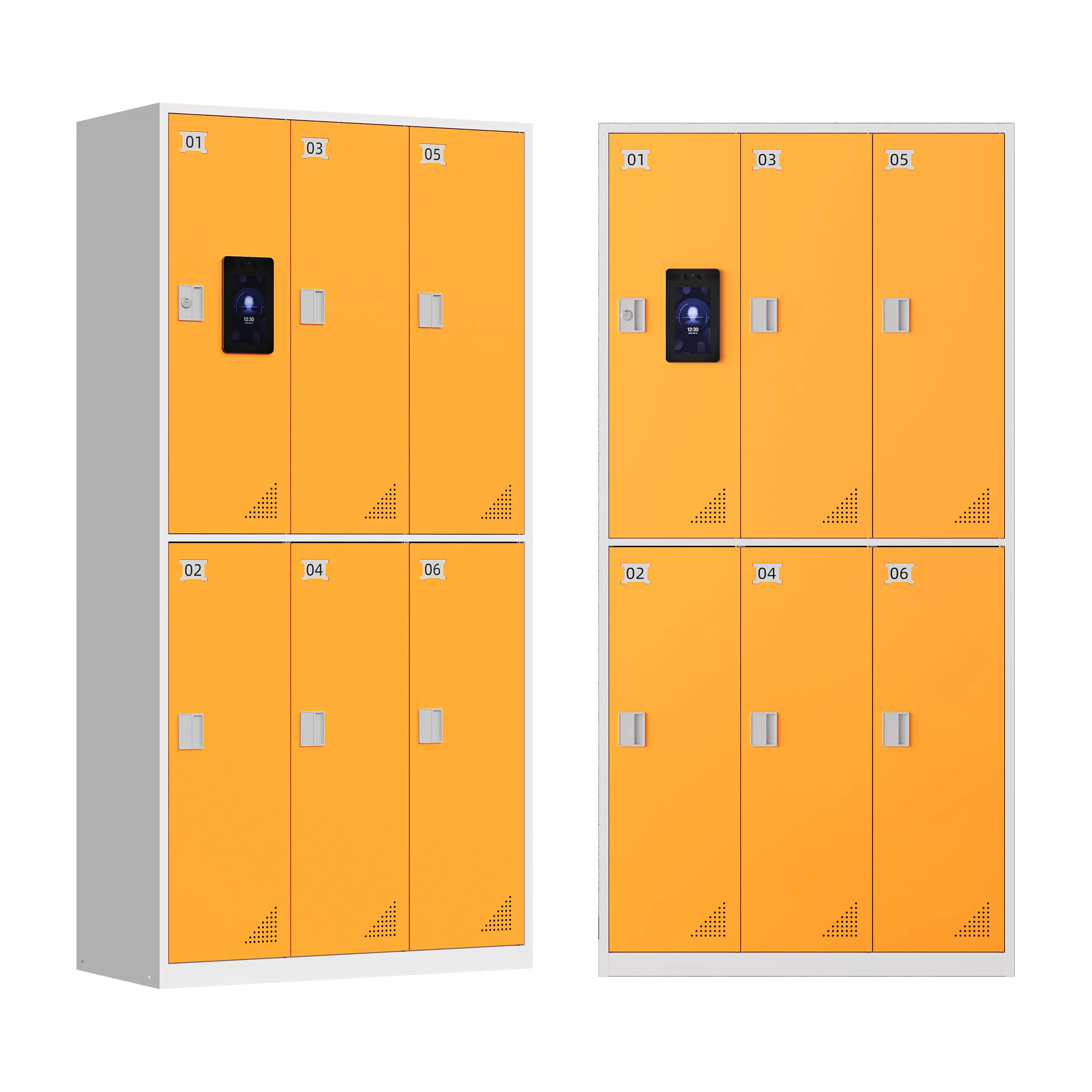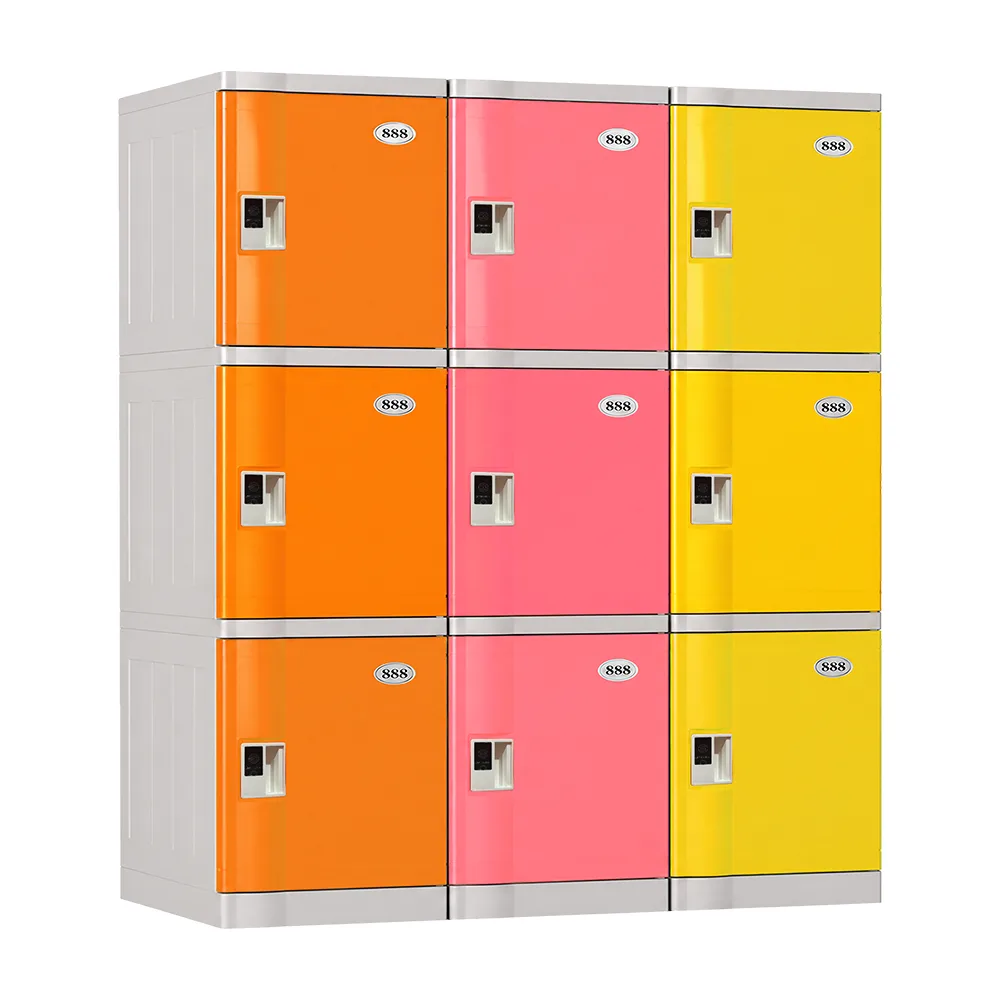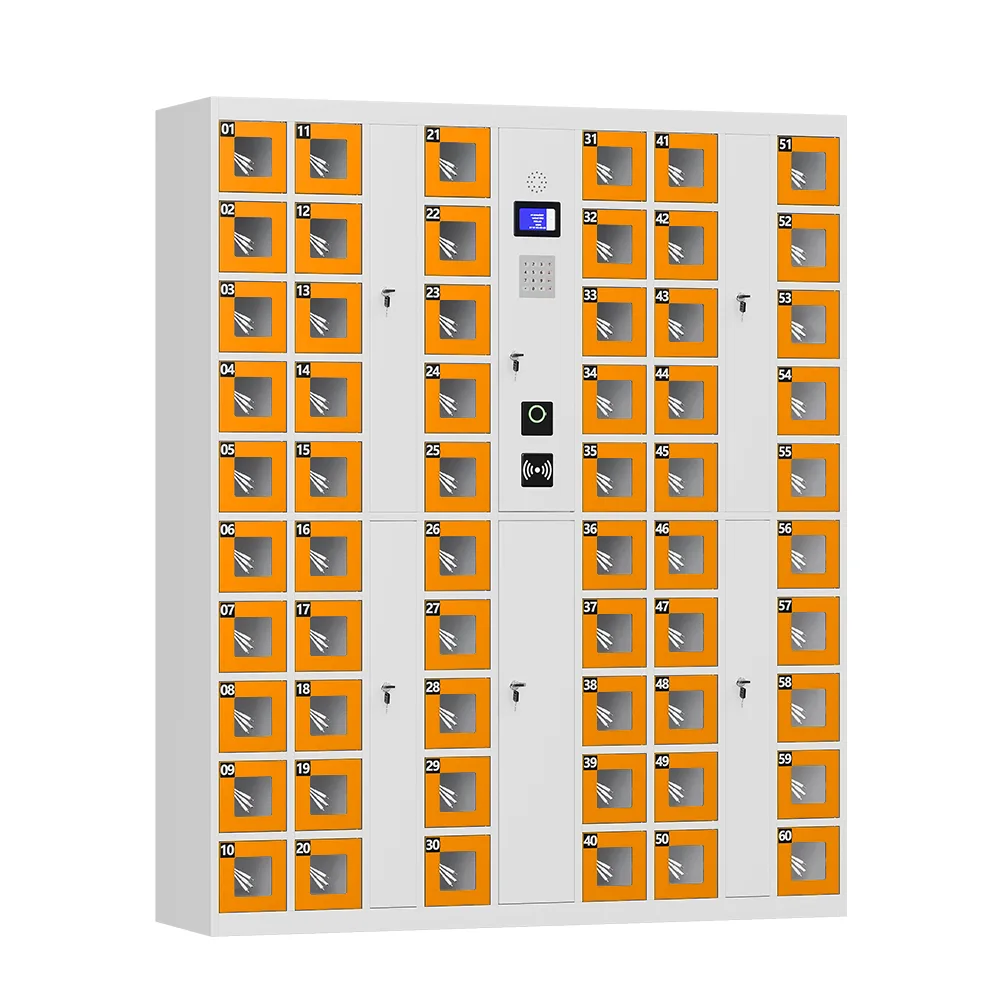

Popis meta: Thinking about installing smart laundry lockers? Discover the 7 best-performing locations — from college campuses to gyms — and what it takes to make each one profitable. Updated for 2026.
Why Laundry Locker Placement Makes or Breaks Your ROI
Unlike vending machines or parcel lockers, smart laundry lockers don’t thrive on impulse traffic. People don’t walk past one and think, “Sure, I’ll do laundry today.” They use it when they already have a pile of dirty clothes and no easy way to wash them.
That’s why location strategy is everything. Put a laundry locker where a real, recurring need exists, and it becomes part of people’s weekly routine. Put it in a high-traffic spot where nobody needs laundry service, and it sits idle — no matter how many people walk by.
In this guide, we break down the seven location types that consistently deliver strong usage, based on real-world deployment data, plus the operational details that separate profitable installations from underperforming ones.
1. University & College Campuses: The #1 Performing Location
If there’s a sweet spot for smart laundry lockers, it’s college campuses. The math is simple: most dorm rooms don’t have washers, students hate hauling laundry across campus, and there’s a steady supply of new residents every year.
Where to place them: Near dorm entrances, student unions, or next to existing laundry rooms — spots students already pass through daily.
Why it works: Student schedules are predictable. Drop off a load before class in the morning, pick up clean clothes on the way back in the evening. It fits naturally into an existing routine, which is the #1 driver of repeat usage.
What to watch for: Campus usage is highly seasonal — volume drops dramatically during summer and winter breaks. If you’re testing a campus location, run the pilot for at least one full academic semester before scaling, or structure your contract to account for seasonal dips.
2. Apartment Buildings & Residential Communities
A surprising number of apartment buildings — especially older properties and studio units — don’t have in-unit washers and dryers. Residents either share a coin laundry room (if they’re lucky) or trek to the nearest laundromat.
Where to place them: Near the main entrance, alongside existing parcel lockers, or by the security desk — anywhere residents pass through on their way in and out.
Why it works: Laundry is a recurring chore, not a one-time task. Once residents try the service and trust the quality, they tend to stick with it week after week. Pairing laundry lockers with parcel lockers in the same area creates a habit loop — residents who already stop there for packages are far more likely to try the laundry service too.
What to watch for: First-time users often find laundry lockers more confusing than parcel pickup. Clear, step-by-step instructions and transparent pricing at the locker itself are non-negotiable for this setting.
3. Hotels & Hostels
Travelers always need clean clothes, but hotel laundry service is often expensive and slow. Self-service laundry lockers solve both problems — no waiting for housekeeping, no premium price tag.
Where to place them: In the lobby, near elevators, or next to the luggage storage area — places guests naturally pass through.
Why it works: It’s a differentiator. Properties that offer self-service laundry as an amenity get better guest reviews, especially from extended-stay travelers and backpackers. Some properties run it as a small revenue stream; others offer it complimentary to stand out from competitors. Either way, guests consistently rate it as a valued convenience.
What to watch for: Hotel guests are unfamiliar with the property and often in a hurry. Signage needs to be extra clear, and the user flow needs to be as simple as possible — no multi-step onboarding, no hidden fees.
4. Industrial Parks & Manufacturing Facilities
Factory workers and industrial employees often wear uniforms that need regular washing, and many don’t have a good way to handle it between shifts — especially if they work long hours or commute long distances.
Where to place them: Near the canteen, main entrance, or employee parking area — spots workers pass through at shift change.
Why it works: Usage is steady and predictable, tied directly to shift schedules rather than discretionary use. This makes industrial locations excellent candidates for subscription-based pricing models instead of pay-per-use. Workers drop off uniforms at the start of a shift and pick up clean ones the next day — it becomes part of their work routine.
What to watch for: Reliability is critical here. Workers plan around fixed shift schedules. If the laundry isn’t ready when a shift ends, trust erodes fast. Consistent turnaround time matters more in this setting than almost any other.
5. Gyms & Fitness Centers
Nobody wants to carry a bag of sweaty workout clothes home. A laundry locker near the exit turns that daily annoyance into a 30-second drop-off.
Where to place them: Near the changing rooms or main exit — right when members are thinking about cleaning up before they leave.
Why it works: Gym members are a captive, recurring audience. They visit regularly at predictable times, which makes usage patterns easier to forecast than in lower-frequency locations. It’s also a natural fit for bundling into membership tiers or loyalty programs — it reinforces the regular attendance habit gyms already want to encourage.
What to watch for: Odor control matters. Sweaty gym clothes sitting in a locker all day can create smell issues if ventilation isn’t adequate. Look for systems with proper airflow and antimicrobial surfaces.
6. Office Buildings & Business Districts
Professionals often don’t have time for laundry during the workweek — even a few shirts or blouses can pile up. A laundry locker at the office lets them drop off in the morning and pick up on the way home.
Where to place them: In the lobby, near the building entrance, or next to an on-site café — high-visibility spots with natural foot traffic.
Why it works: It’s a convenience play, not a price play. Office workers will pay a premium for the time savings, so margins can be solid even at lower volumes compared to campuses or apartment buildings.
What to watch for: Turnaround speed is everything. A same-day or next-day service is far more compelling to busy professionals than a multi-day wait. If your service takes 3+ days, office workers will just do it on the weekend instead.
7. Transit Hubs: Bus Stations & Train Stations
Commuters love being able to drop off laundry on their way to work and pick it up on the way home — it’s truly “zero extra trips” convenience.
Where to place them: Near exit gates or main waiting areas. Prioritize visibility above all else — rushed commuters won’t hunt for a locker tucked away in a corner.
Why it works: Commute patterns create natural drop-off and pickup windows. Morning rush = drop-offs. Evening rush = pickups. The flow is predictable and steady.
What to watch for: Evening pickup is typically the peak window, so make sure your operational schedule aligns — clean loads need to be ready by 5–6 PM, not sitting in a queue.
Operational Factors That Determine Success
Choosing the right location is only half the battle. These behind-the-scenes factors directly impact user trust and repeat usage:
Clear, Foolproof Instructions
Laundry lockers have more steps than parcel pickup — drop-off, service selection, payment, pickup. First-time users need instructions that are actually easy to follow, not just a QR code and a prayer.
Ventilation & Odor Control
Wet or sweaty clothes left too long develop odor and mold risk. Proper ventilation and temperature management inside the locker system are essential — both for the clothes and for the locker itself. Nobody wants to use a locker that smells like last week’s laundry.
Consistent Maintenance & Cleaning
Regular cleaning and servicing are non-negotiable. Partner with a reliable laundry service provider who handles restocking, cleaning, and routine maintenance — the user experience depends on it.
Transparent, Upfront Pricing
Per-kilogram and per-load are both common pricing models. Whichever you choose, display it prominently at the locker. Users hate surprise fees, and they won’t commit a load of laundry if they don’t know what it’ll cost.
Quick Reference: Location Performance at a Glance
| Location Type | Usage Volume | Best Pricing Model | Key Success Factor |
| University Campuses | Very High | Pay-per-load | Proximity to dorms |
| Apartment Buildings | High | Pay-per-load / Subscription | Clear instructions |
| Hotels & Hostels | Medium | Pay-per-use | Simple user flow |
| Industrial Parks | High (steady) | Subscription | Reliable turnaround |
| Gyms & Fitness | Medium-High | Membership bundle | Odor control |
| Office Buildings | Medium-Low | Premium per-use | Fast turnaround |
| Transit Hubs | Medium | Pay-per-use | Visibility |
Často kladené otázky
Q: Which location type has the highest ROI for laundry lockers?
A: University campuses and large apartment communities consistently deliver the strongest ROI, because both have a dense population of people with a genuine, recurring laundry need and no in-unit washer. Industrial parks also perform very well with a subscription model.
Q: Do laundry lockers work in low-traffic locations?
A: It depends on the need, not just the traffic. Unlike vending machines, laundry lockers don’t rely on impulse purchases. A small apartment building with no washers can outperform a busy mall where nobody needs laundry service.
Q: What’s the best pricing model for a laundry locker service?
A: It varies by location. Pay-per-kilogram or pay-per-load works well for most settings. Subscription pricing shines in high-frequency locations like industrial parks or gyms where users come weekly.
Q: How do I know if a location will work before investing?
A: Start with a pilot — ideally at a university or apartment building, which are the safest starting points. Track actual usage for at least 3 months (or one full semester for campuses). Talk to users directly about what’s working and what’s confusing, and be ready to adjust pricing, instructions, or turnaround time.
Q: How much space do I need for a laundry locker installation?
A: A typical 12–20 compartment locker bank needs about 2–3 square meters of floor space, plus clearance in front for users. Compact configurations are available for smaller lobbies or tight hallways.
Ready to Plan Your Laundry Locker Deployment?
Smart laundry lockers succeed when they meet a real, recurring need — not just when they’re placed somewhere busy. Campuses and apartment buildings are the safest starting points, but hotels, gyms, industrial parks, offices, and transit hubs can all perform well when the setup is right.
At UFUN, we design and manufacture smart laundry lockers with the features that matter most: reliable ventilation, intuitive touchscreen interfaces, multi-language support, and flexible configurations for any location. With over 10 years of experience and deployments across 20+ countries, we can help you choose the right setup for your property.